



INNtöne Festival, Froschau 4, A-4776 Diersbach, August 16, 2026
Returning to INNtöne near Diersbach in Upper Austria after two years reminded me just how unique and original this festival is. The rural atmosphere of Paul Zauner’s farm holds a truly special place in the calendars of jazz lovers, even though the festival’s dates have been constantly changing in recent years. The combination of world-class musicians with the informal atmosphere of a rural barn, the surrounding meadows and the smell of cows – ever-present in Austria – has its own unique charm. This year’s edition offered a diverse range of genres and emotions – from delicate ethno-jazz fusion through boundless avant-garde and spirited traditional jazz to elegant bop.
Chris Jennings Drum ’n’ Koto
As with Canadian double bassist Chris Jennings’ Drum ’n’ Koto project, what I had already discovered two years ago held true: at INNtöne, the best often comes right at the start of the programme. Jennings was joined on stage by a remarkable line-up: the Franco-Vietnamese guitar virtuoso Nguyên Lê, the Japanese koto player and singer Mieko Miyazaki, and the drummer Patrick Goraguer, who, in addition to the drums, also played the Persian santur. This unconventional fusion of modern jazz with Far Eastern musical traditions offered both chamber-like intimacy and powerful rhythmic dynamics.
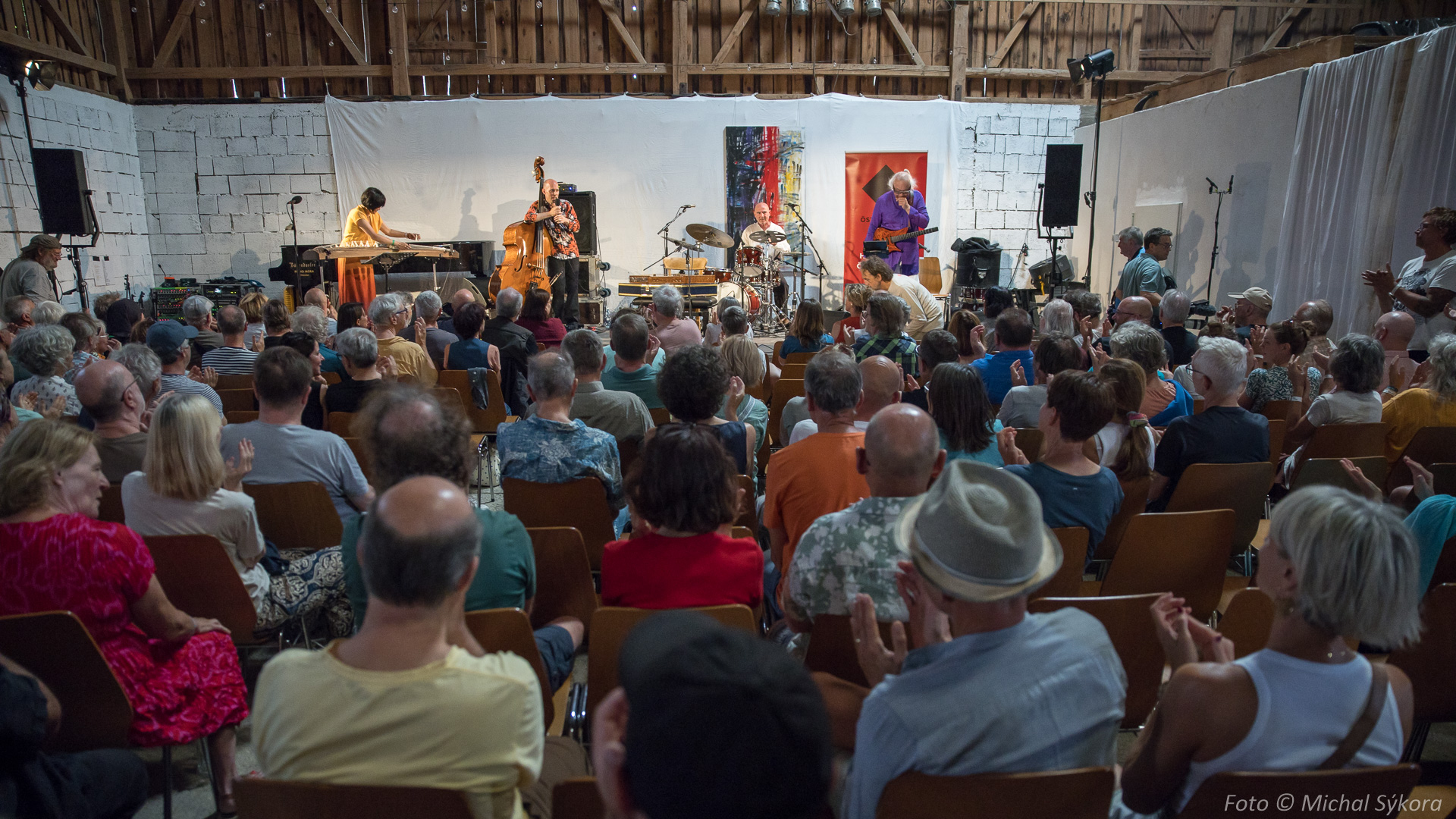
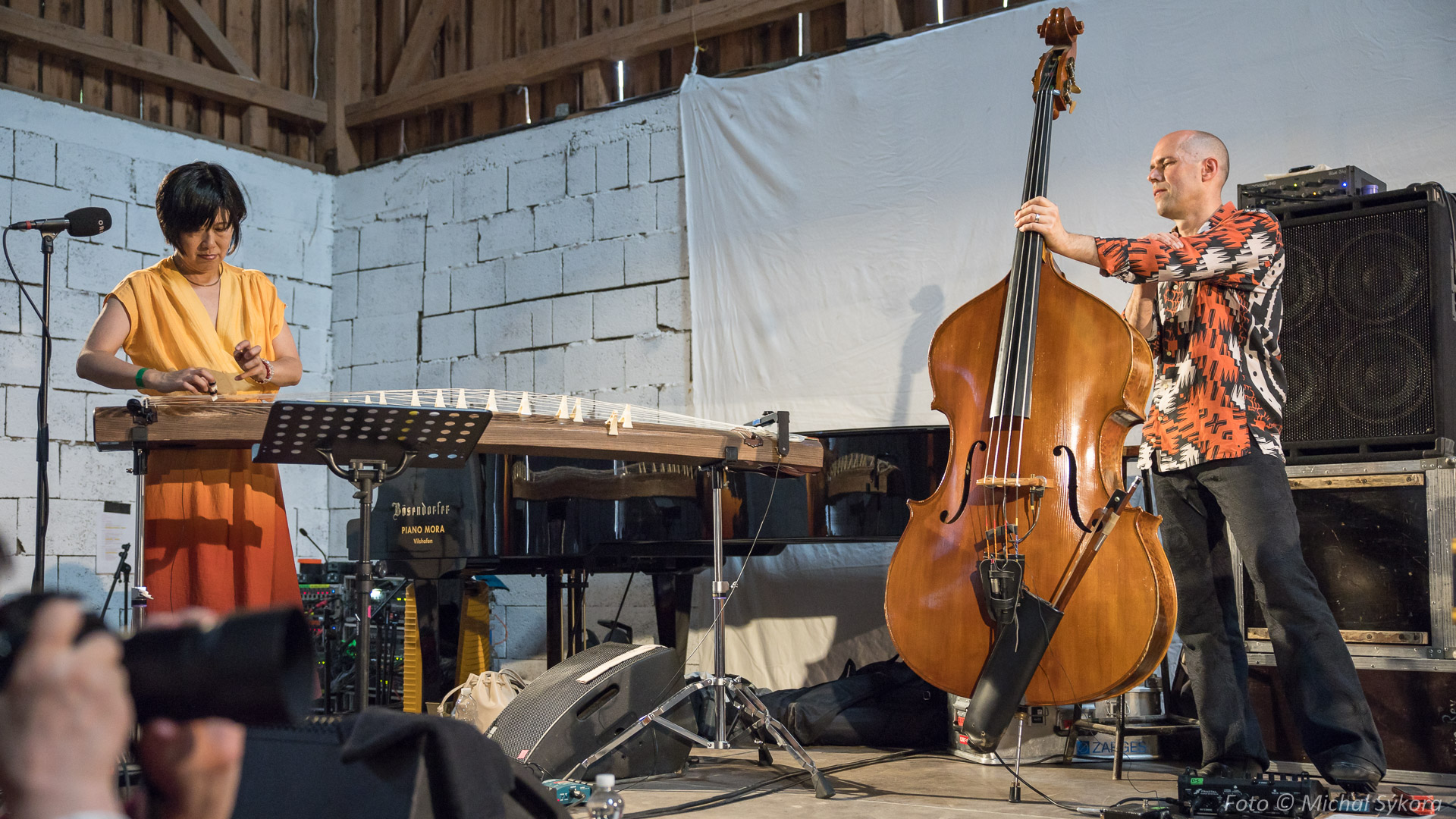
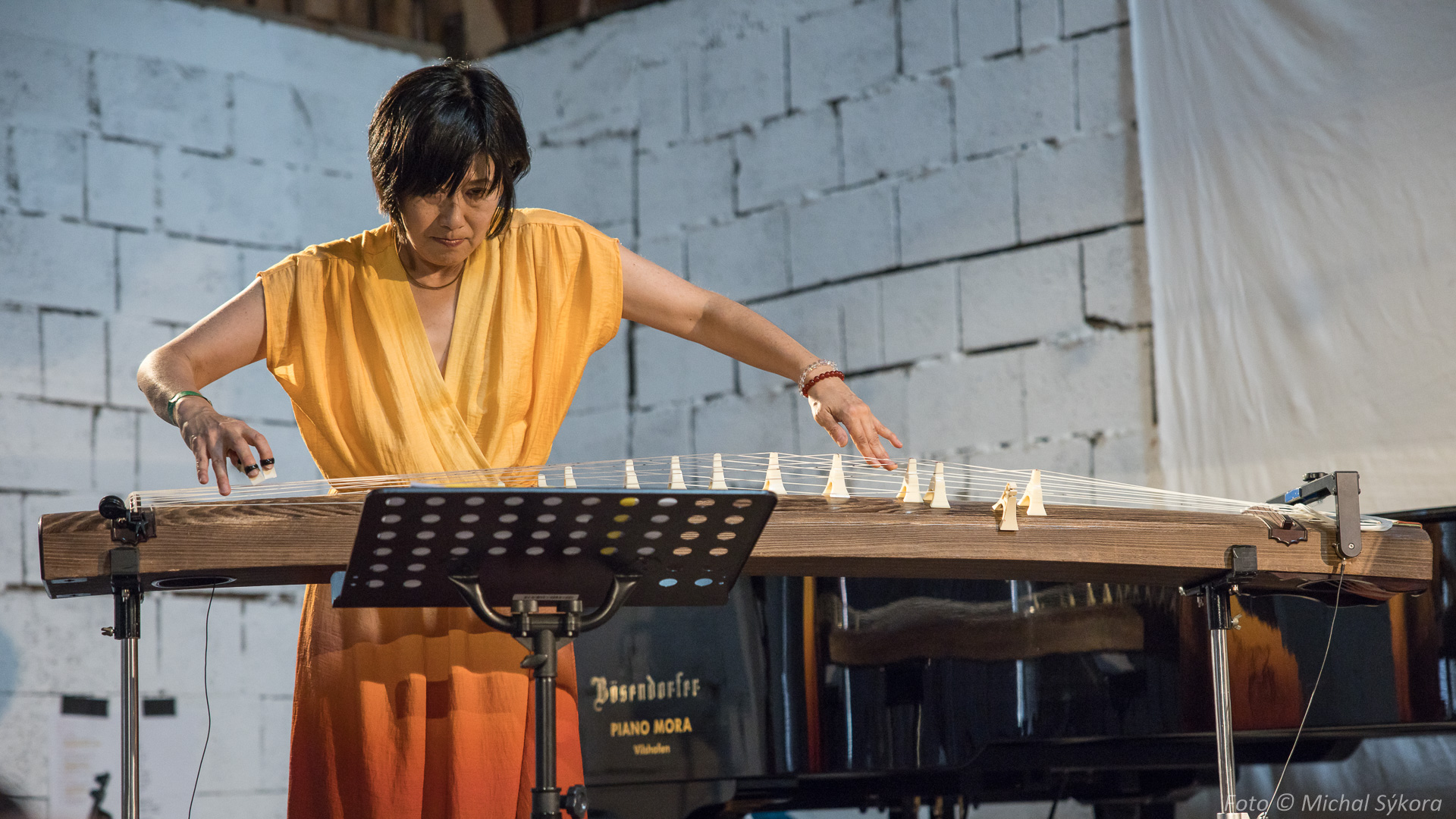
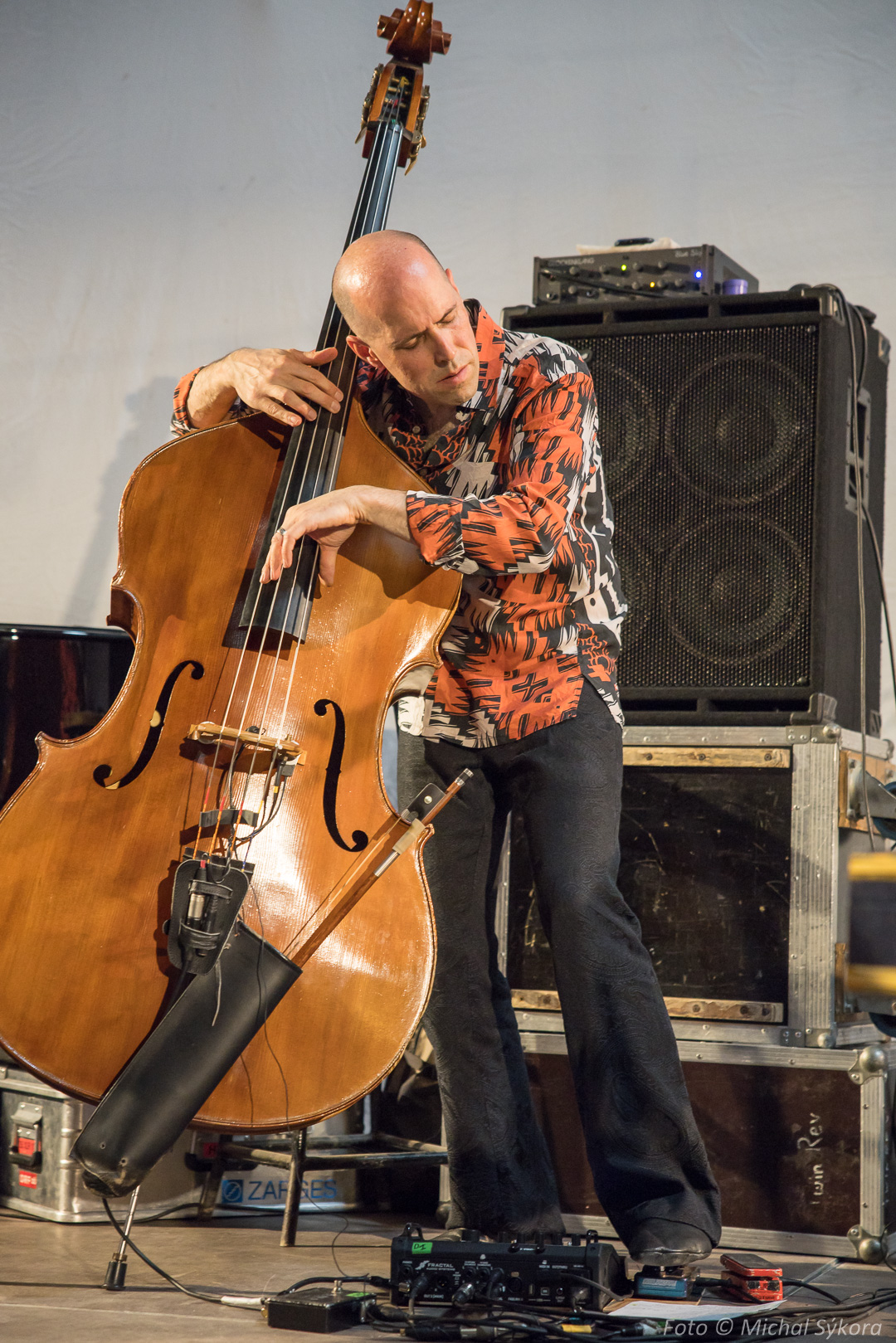
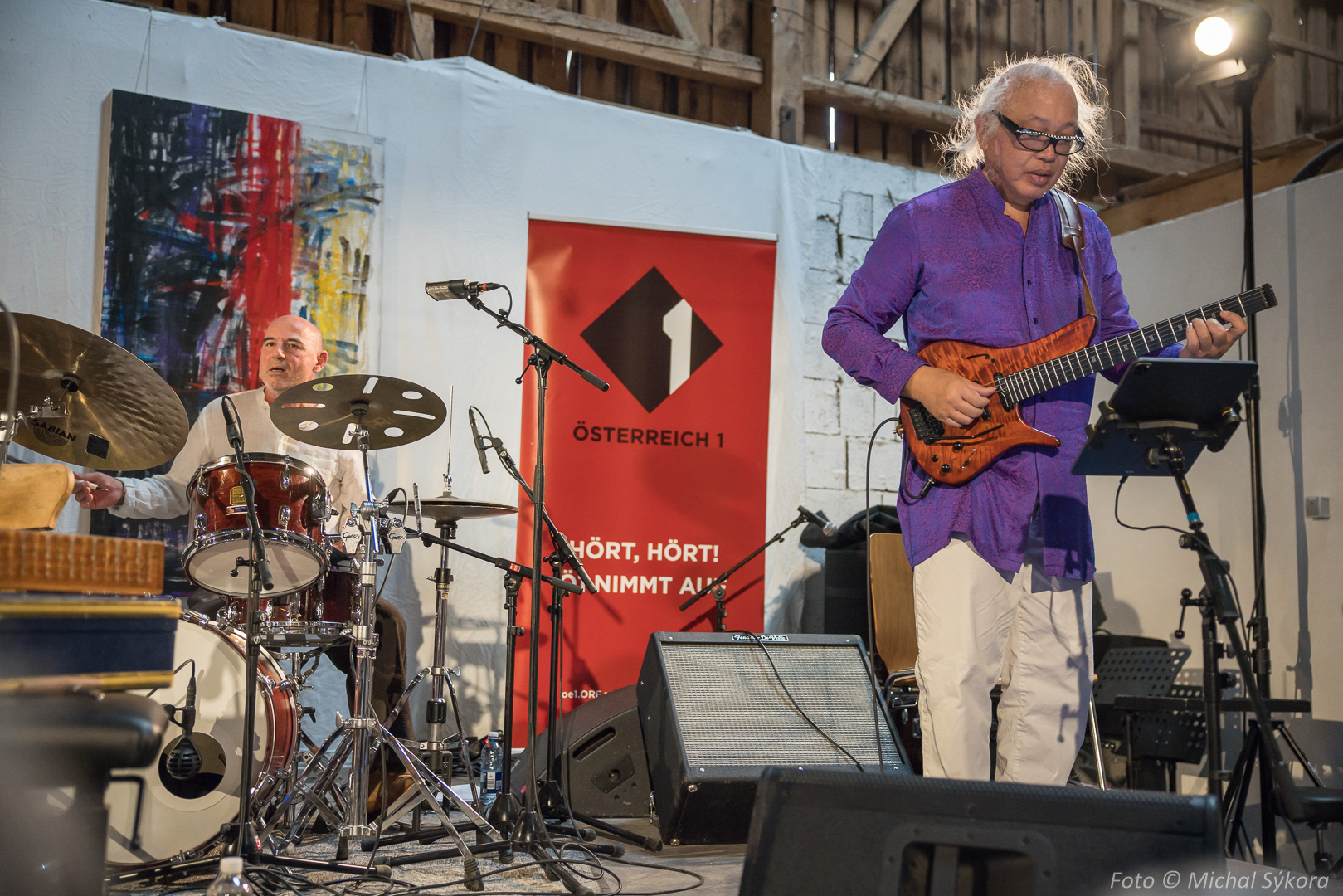
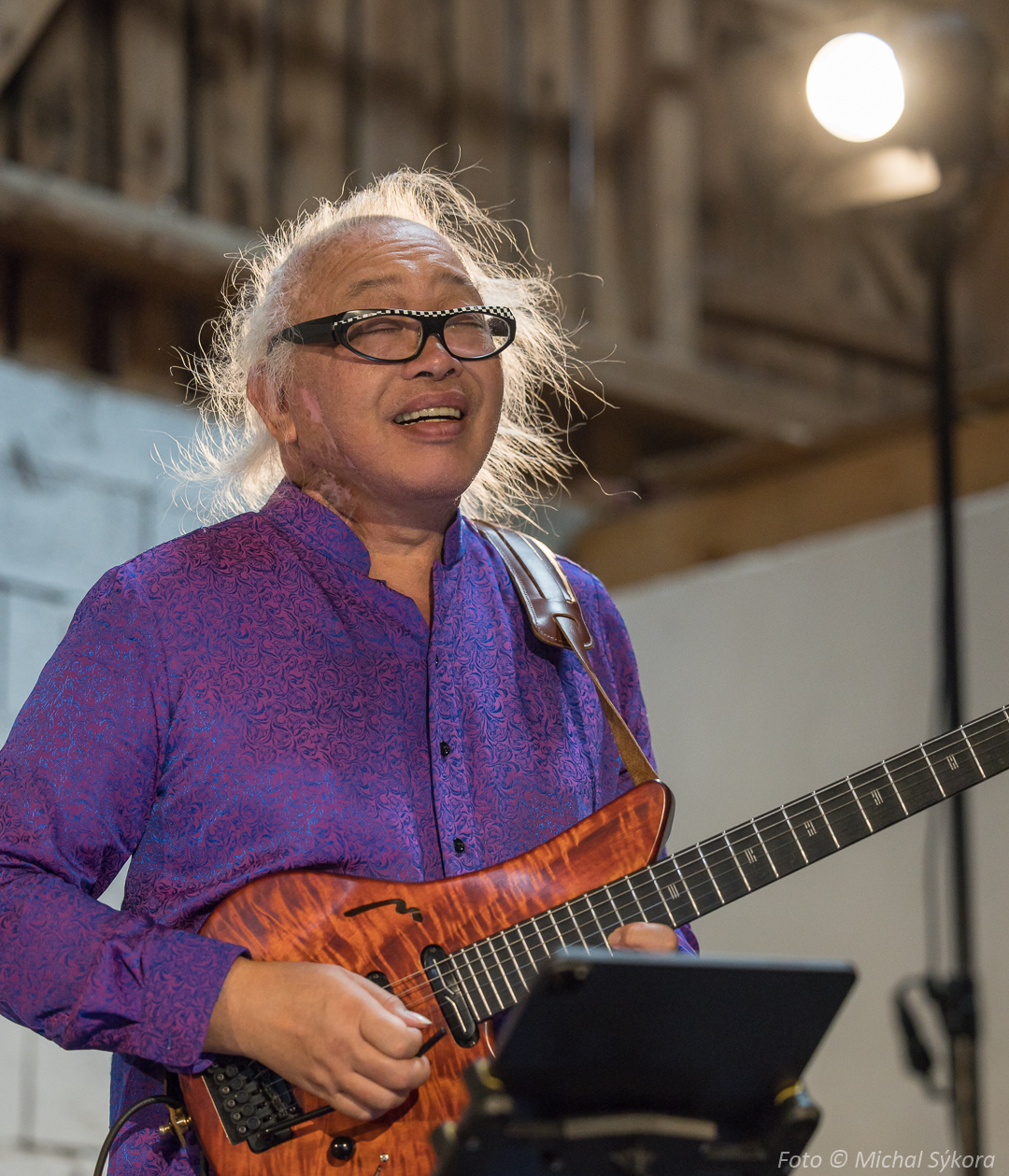
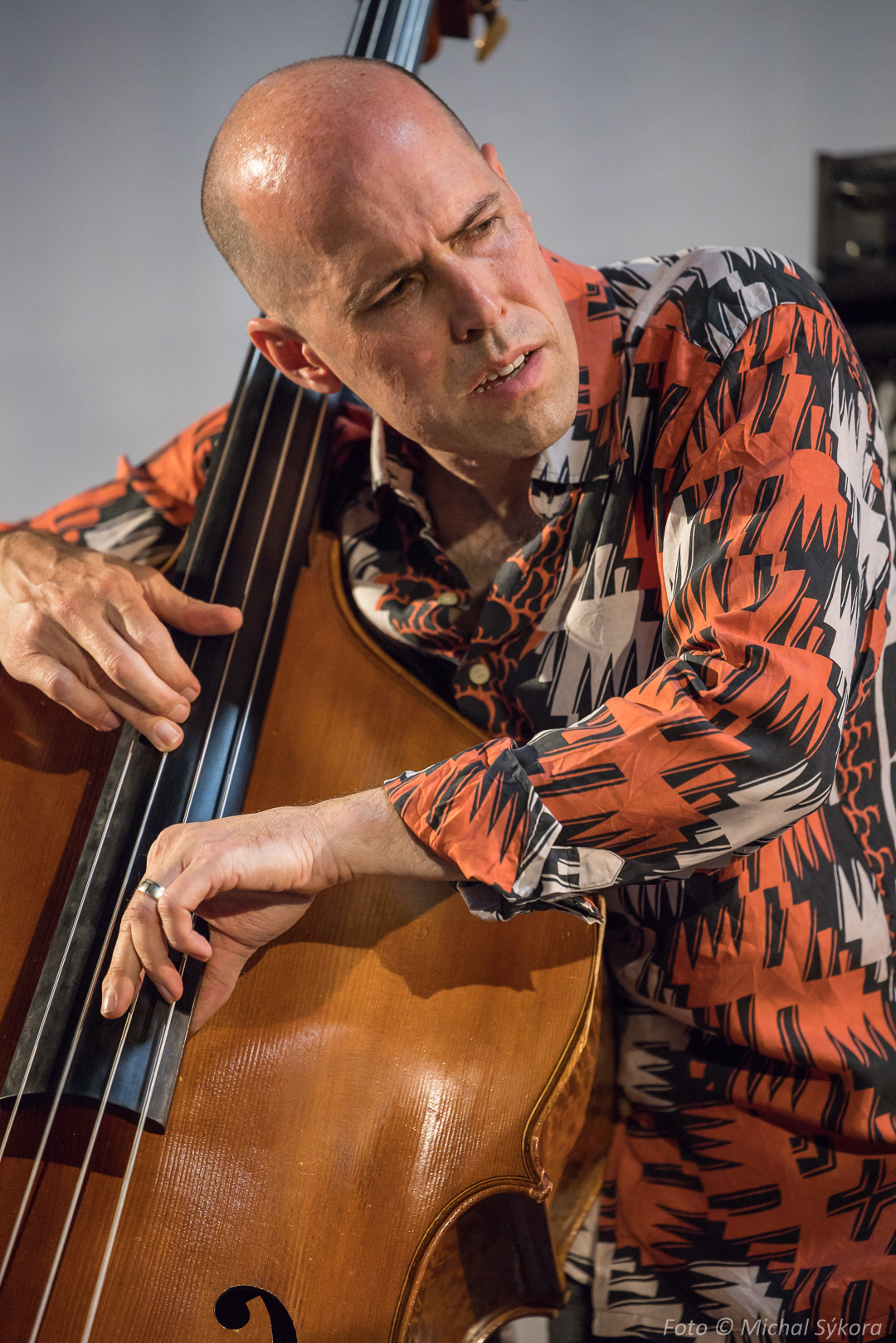
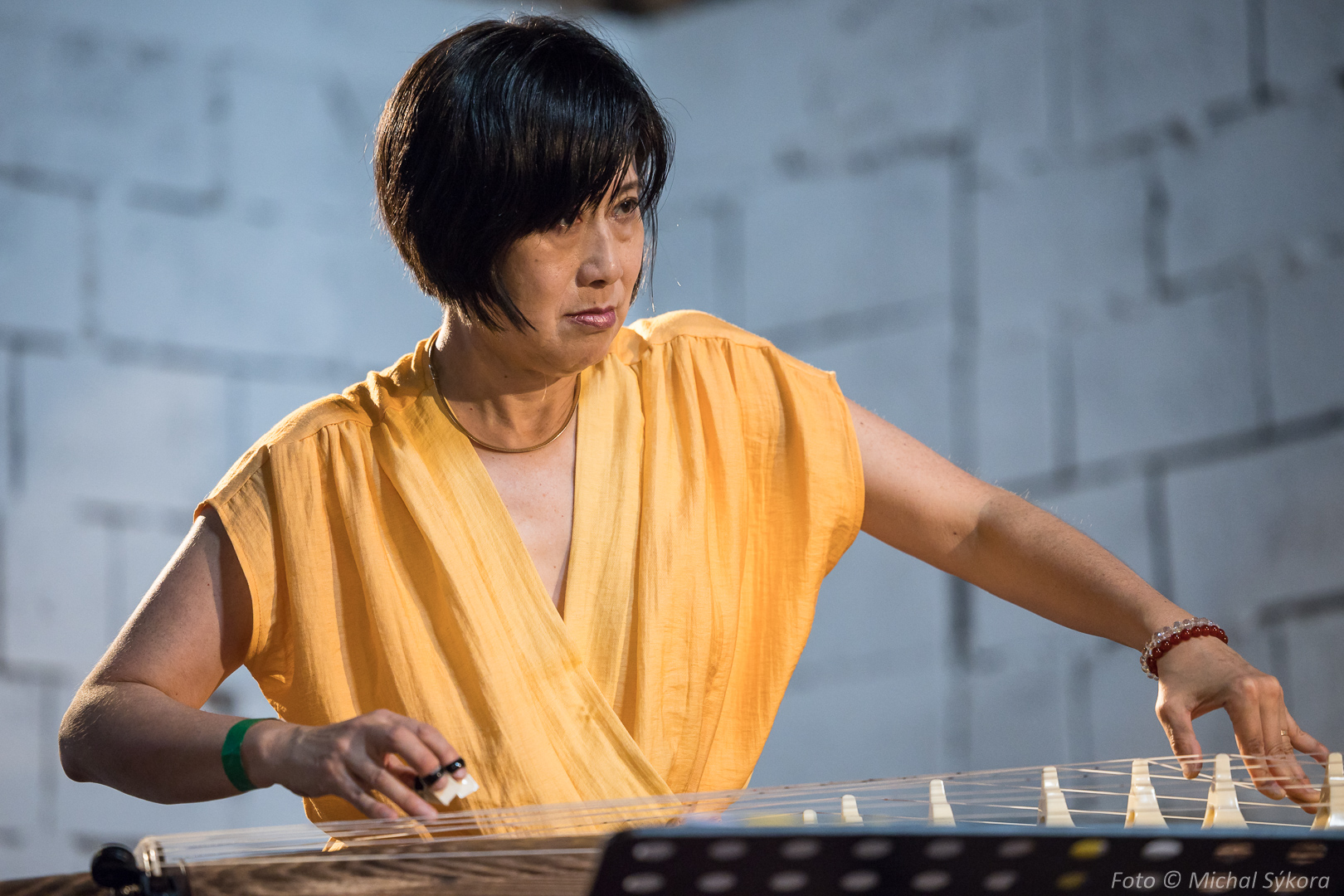
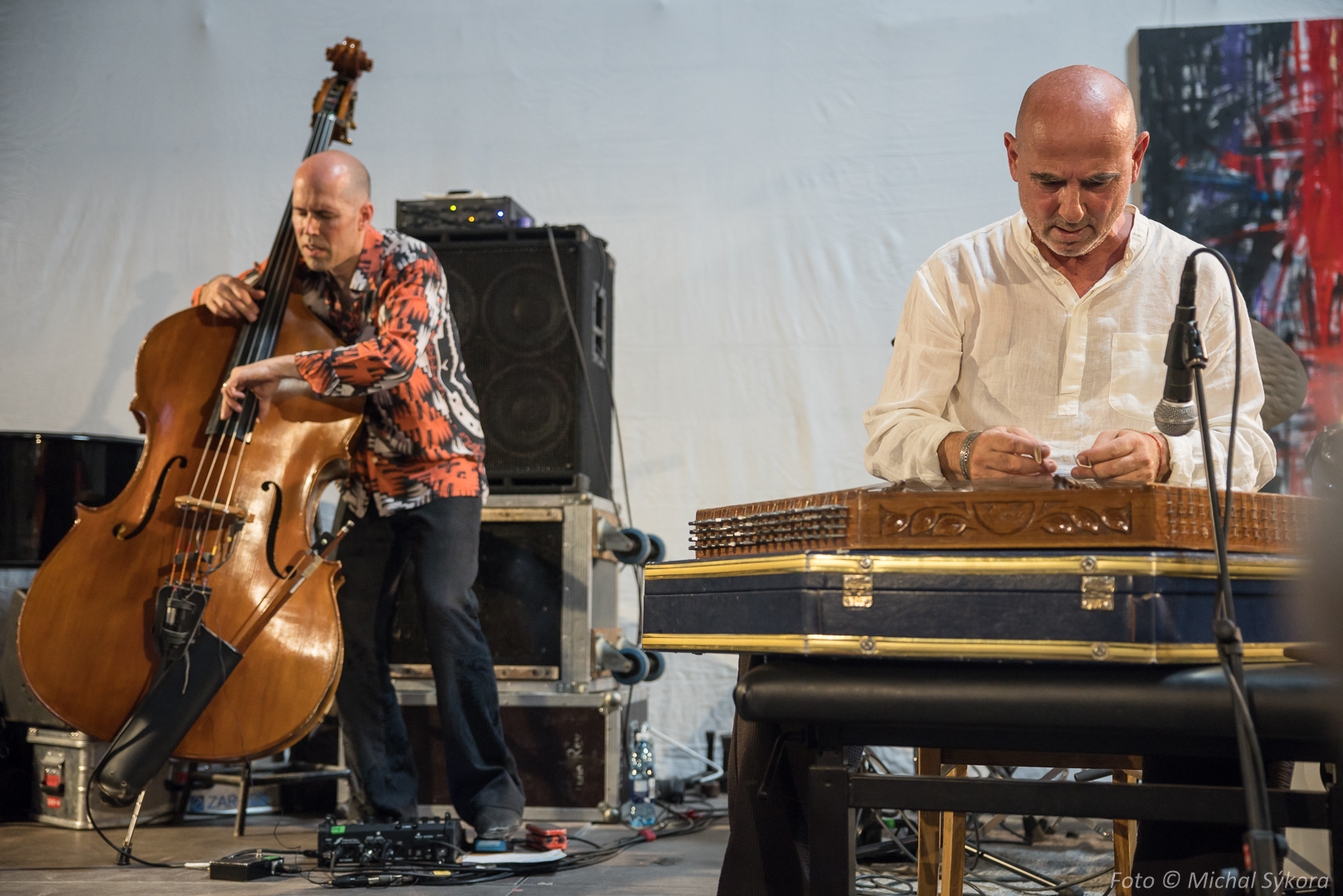
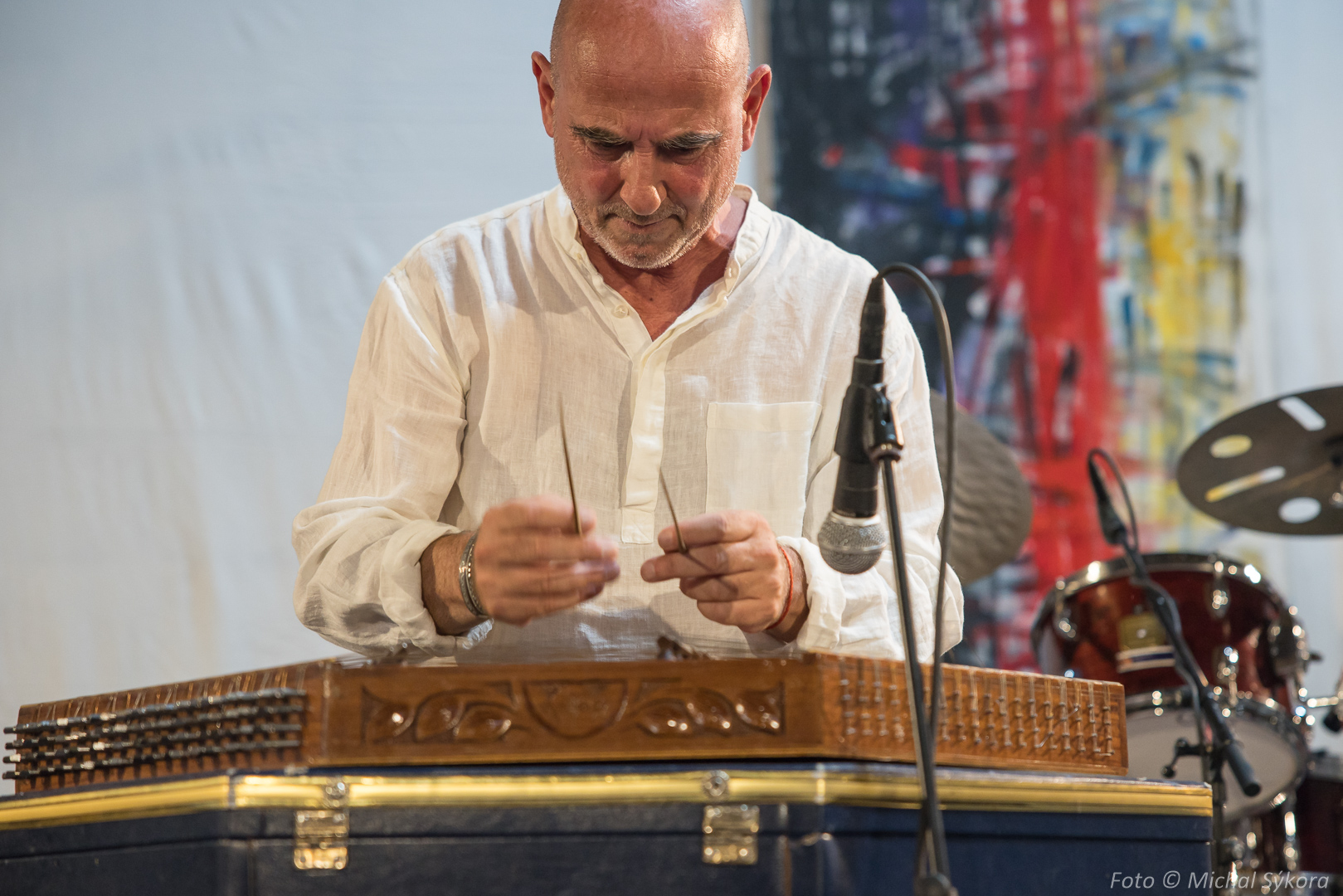
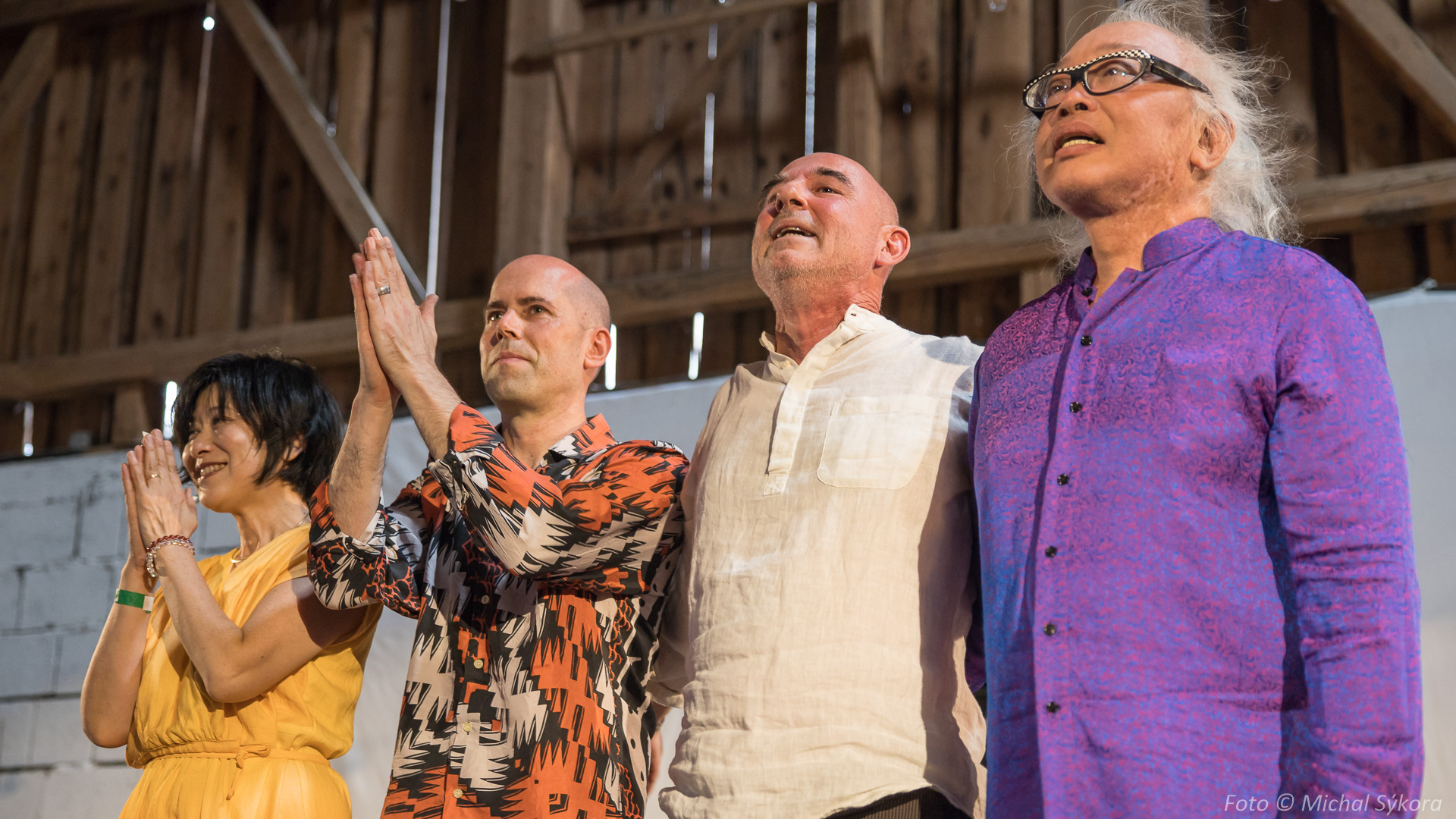
The interplay between all the performers was flawless. Both Mieko Miyazaki and Nguyên Lê displayed breathtaking virtuosity, whilst Goraguer’s santur added a unique colour to the overall sound. The result was a high-energy performance that thrilled the audience and could easily have been extended. The composition Silence was performed as a delicate encore to round off the evening.
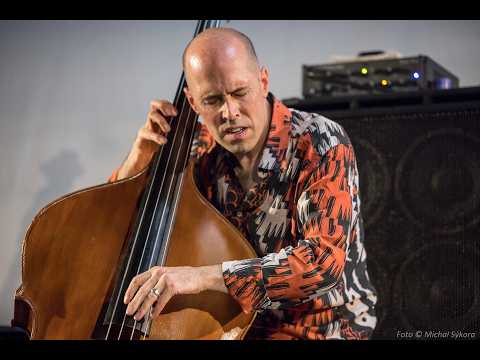
Markus Stockhausen Group
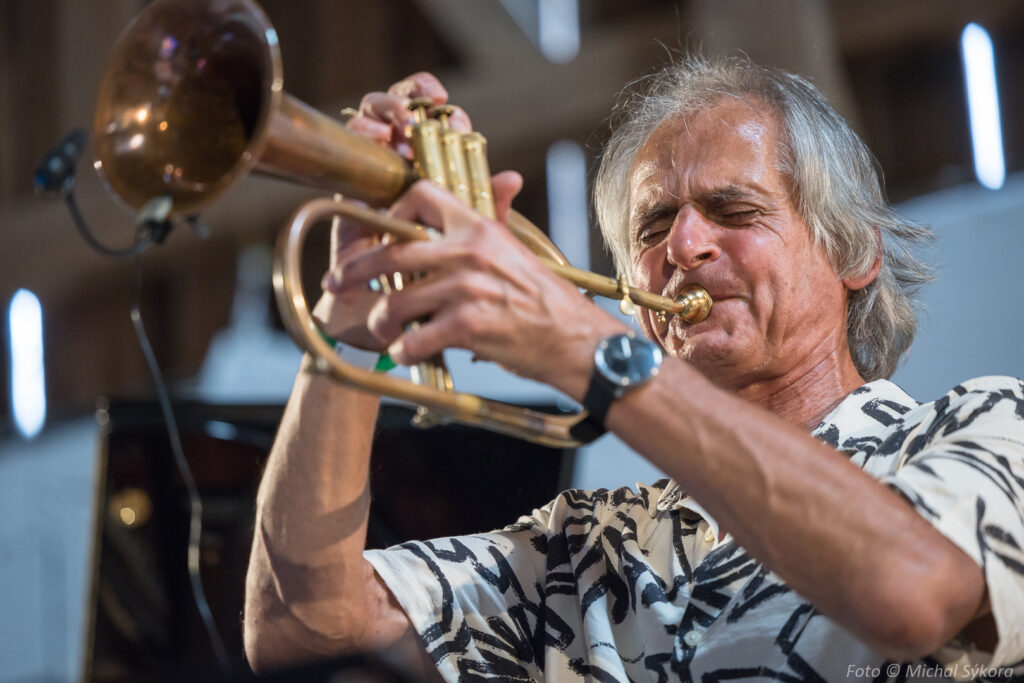
German trumpet and flugelhorn virtuoso Markus Stockhausen brought his masterful quartet to the festival, accompanied by pianist and keyboardist Jeroen van Vliet, cellist Jörg Brinkmann and drummer Christian Thomé. Together they delivered a set of the utmost musical precision, just as they had done the day before in Dobrš. Even with only a few hours’ gap between the concerts, Stockhausen’s music lost none of its magical charm.
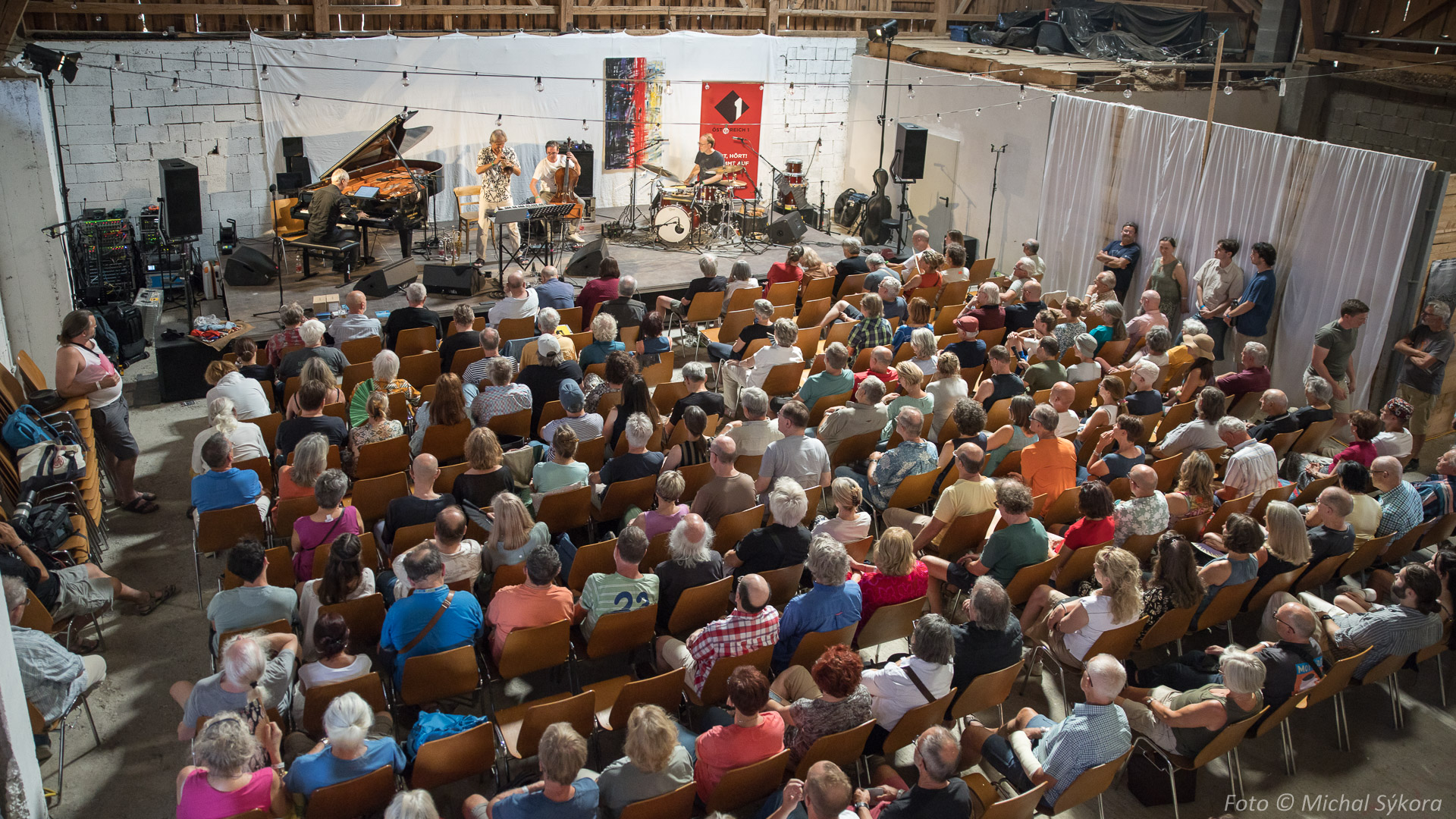
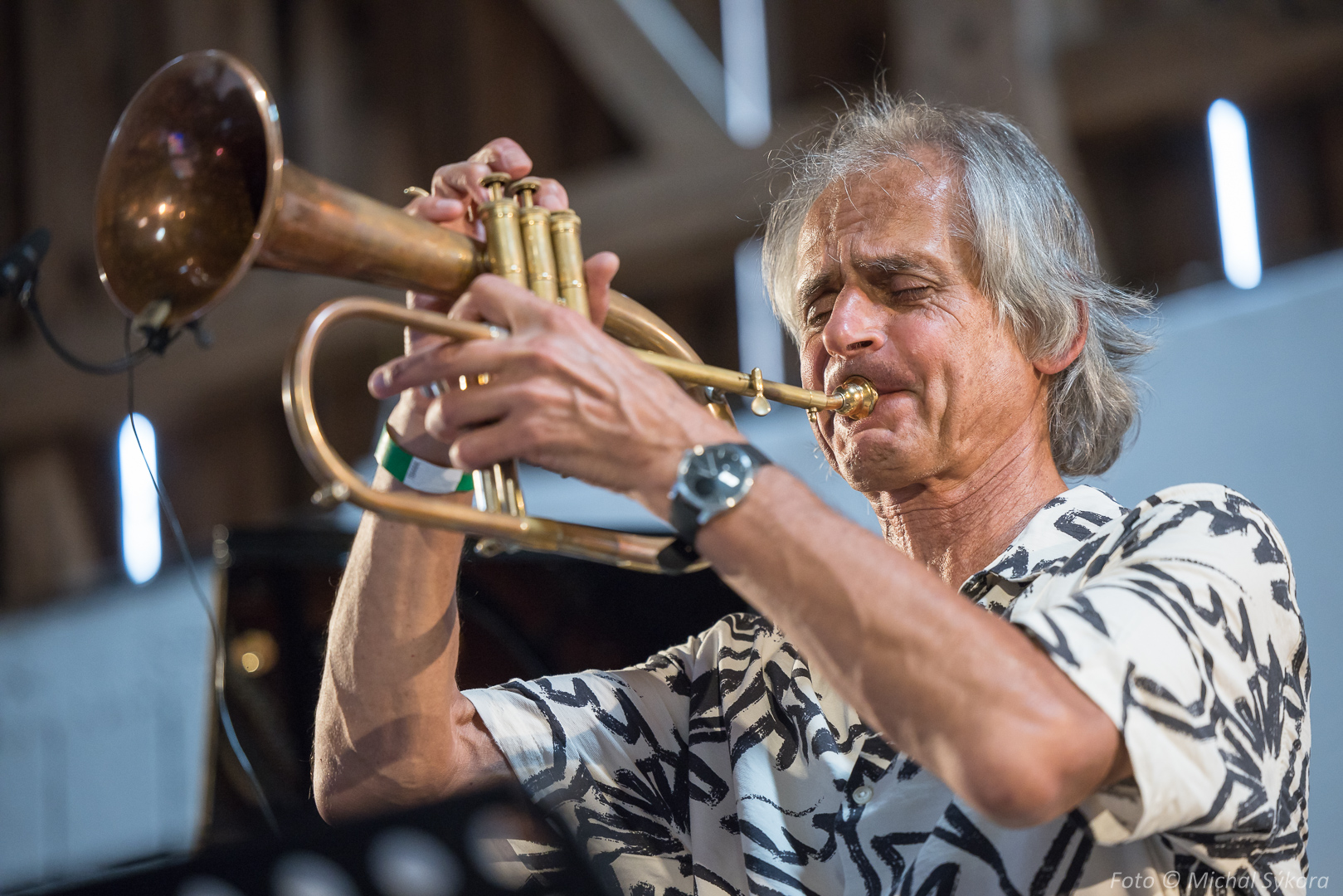
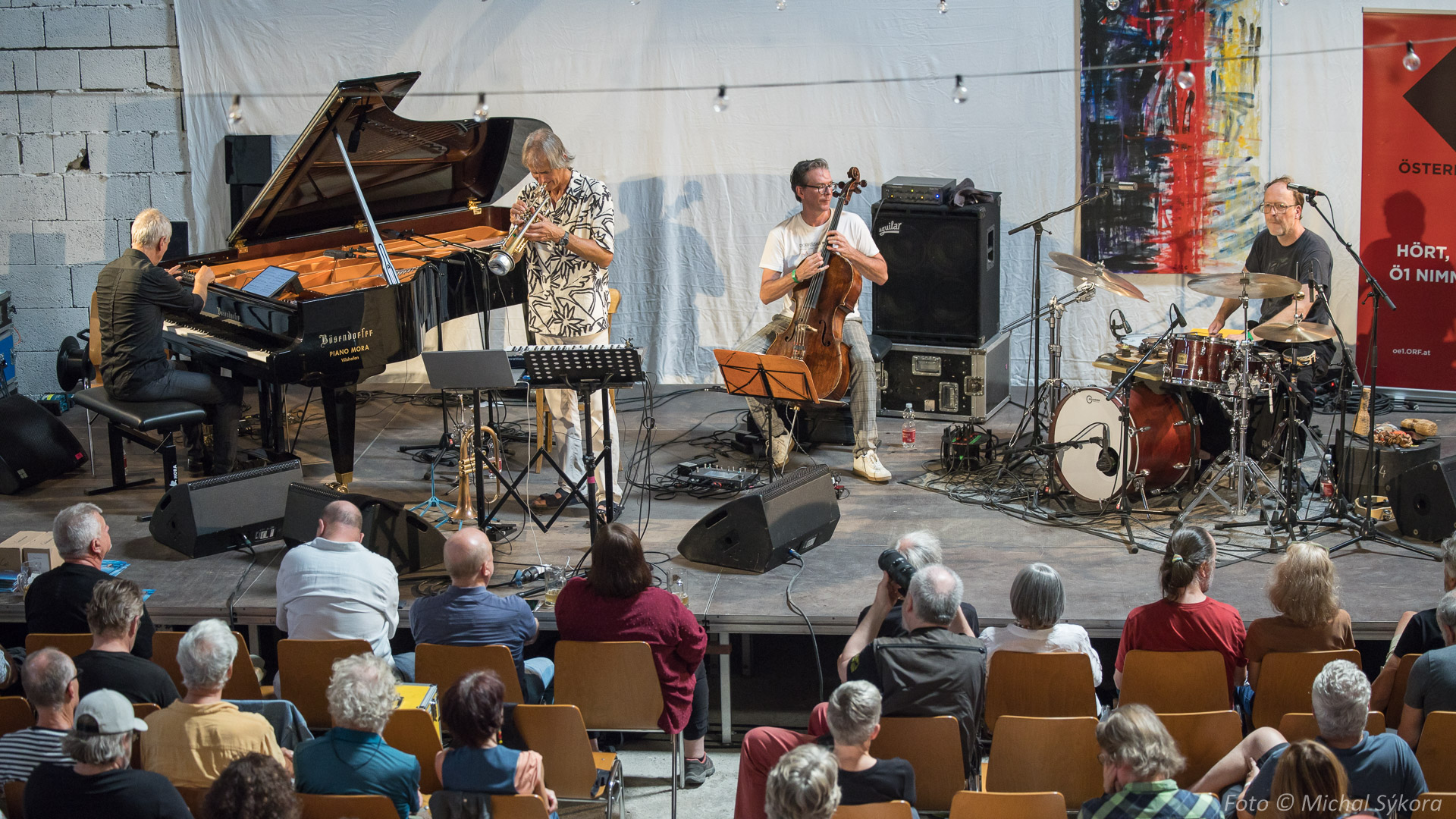
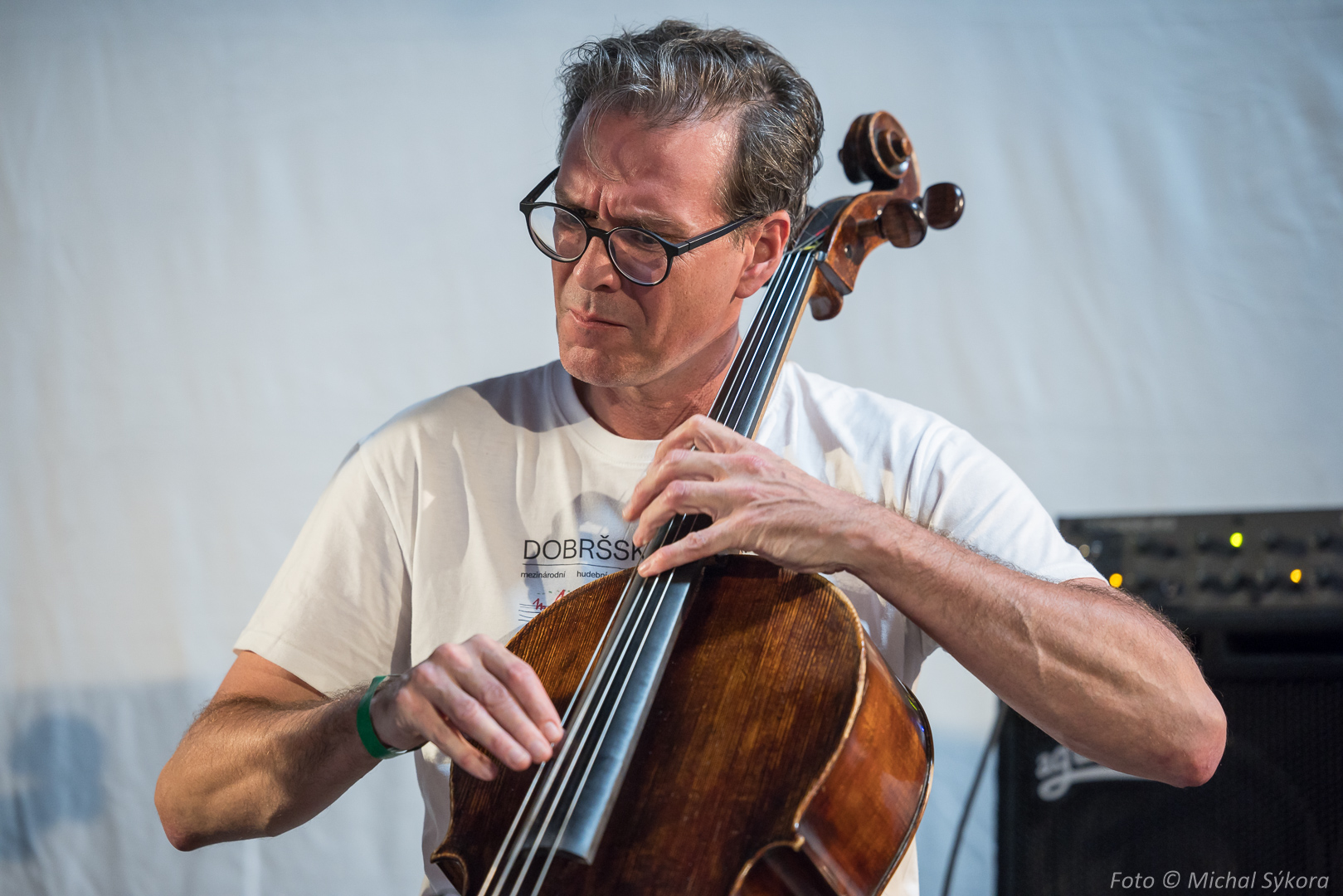
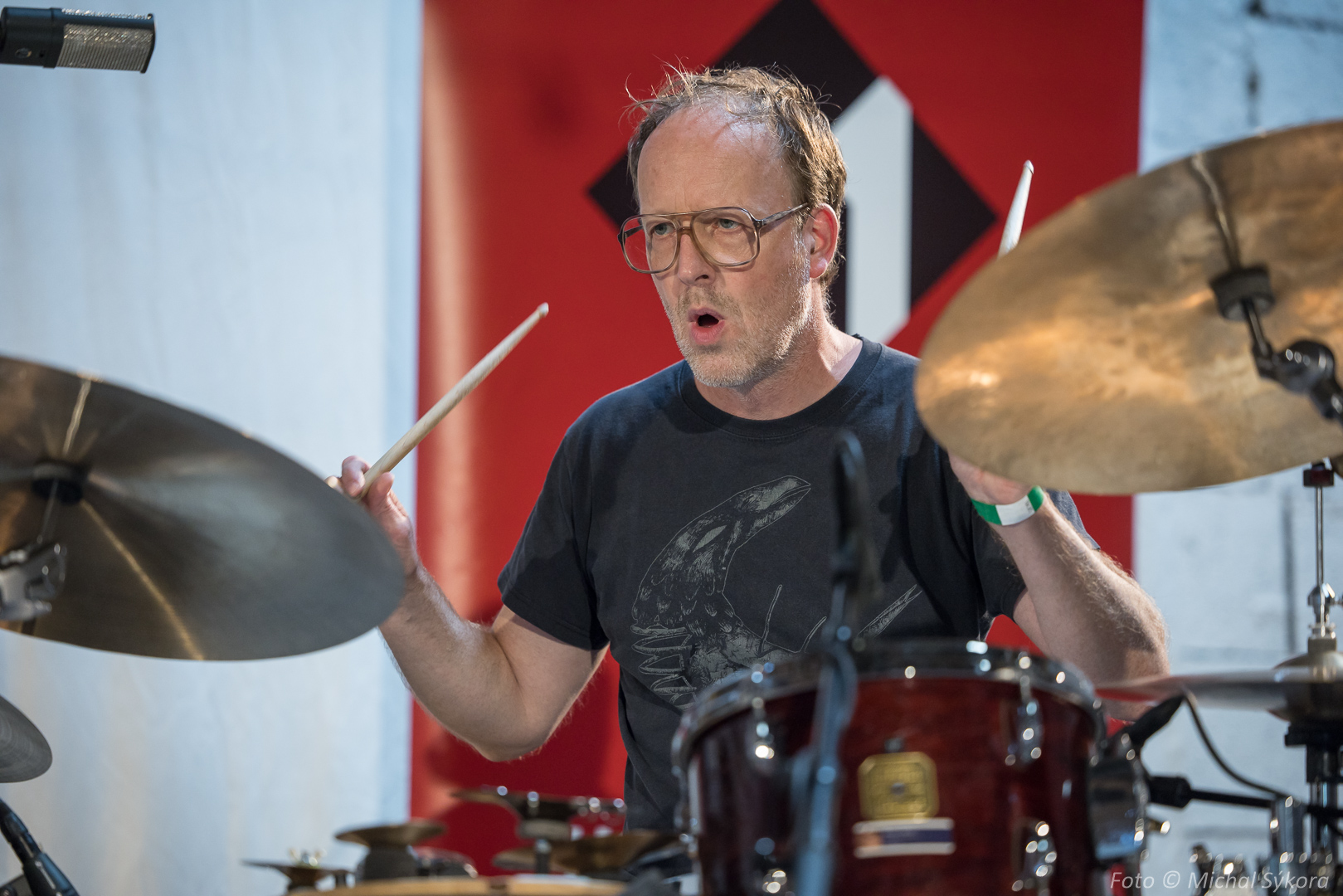
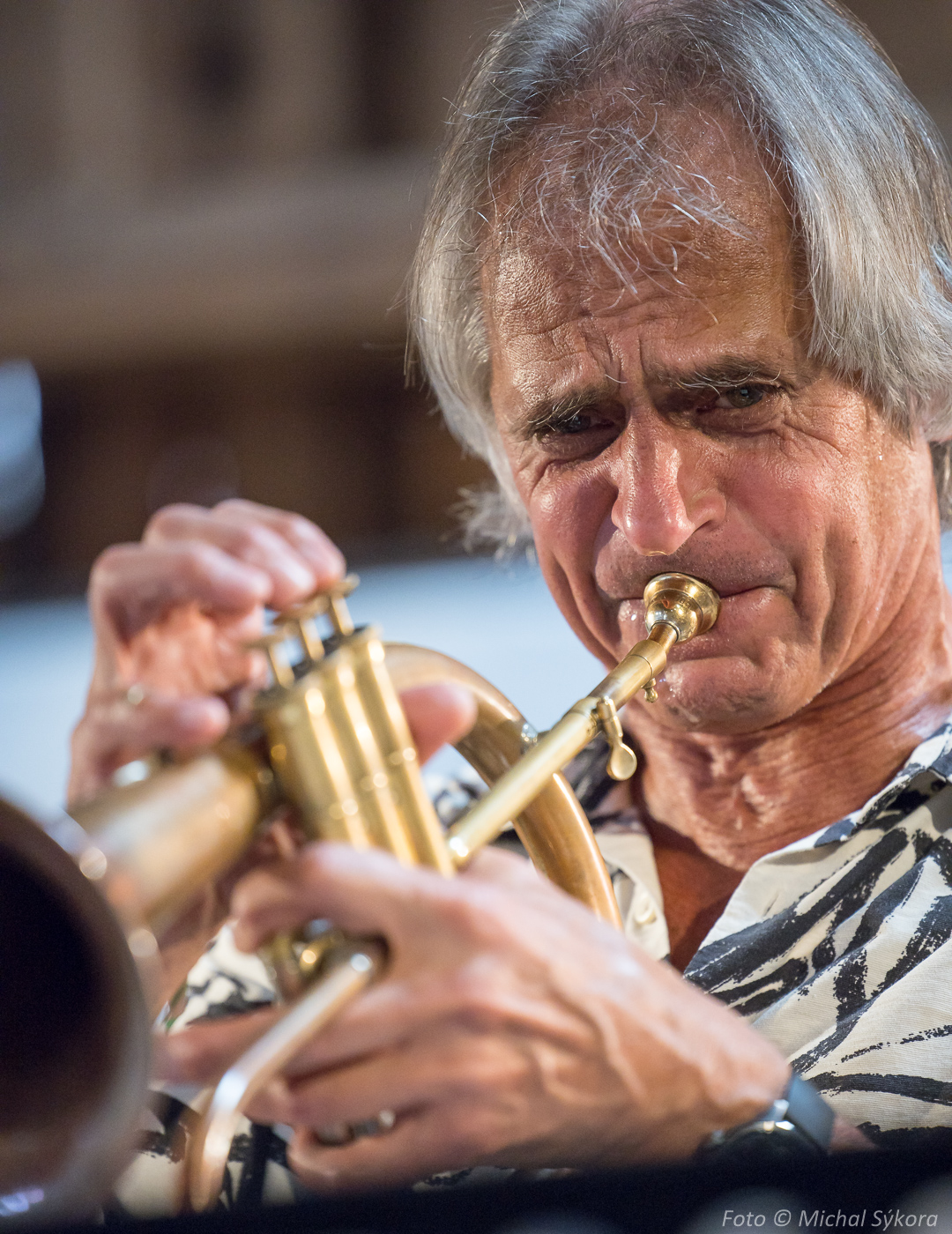
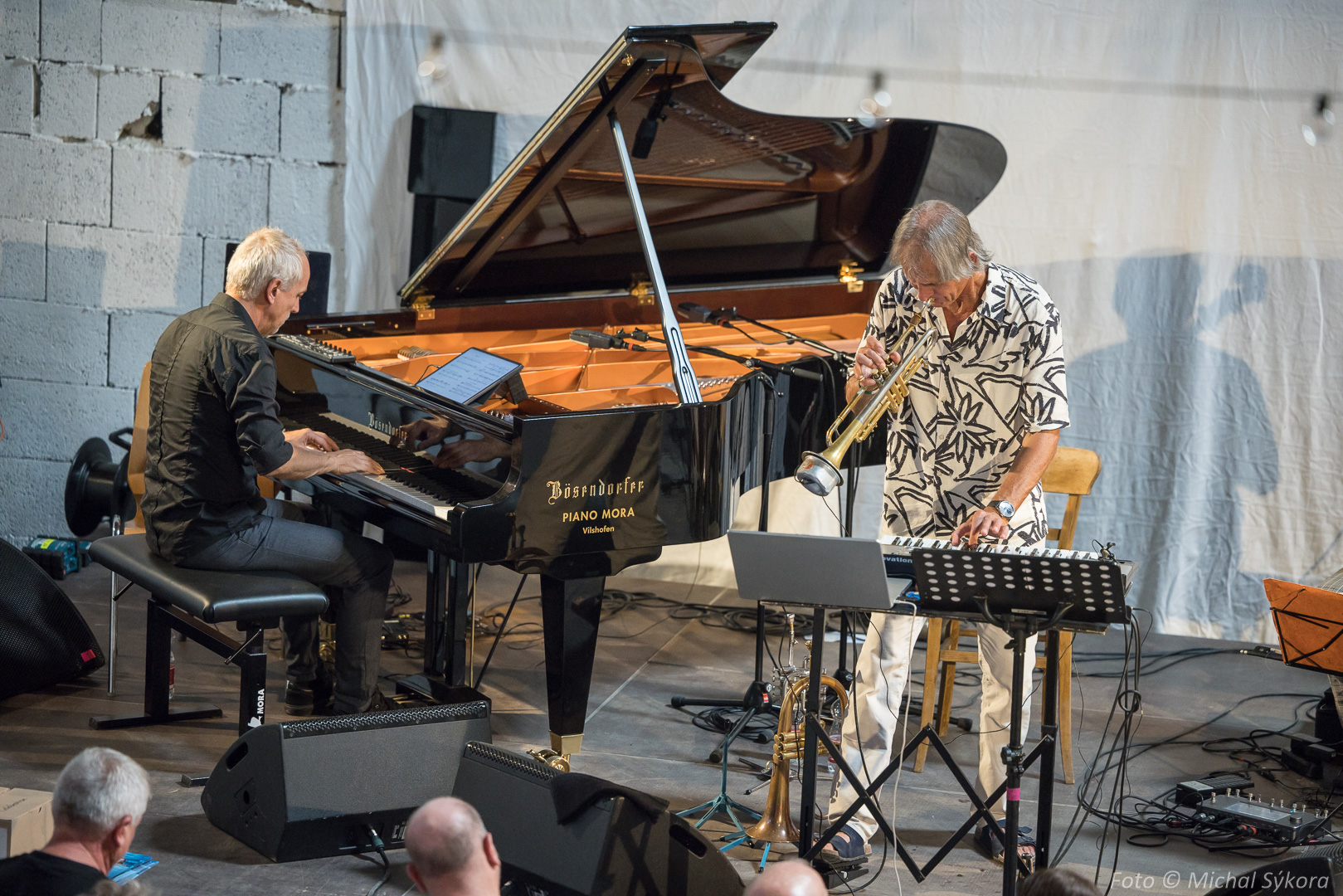
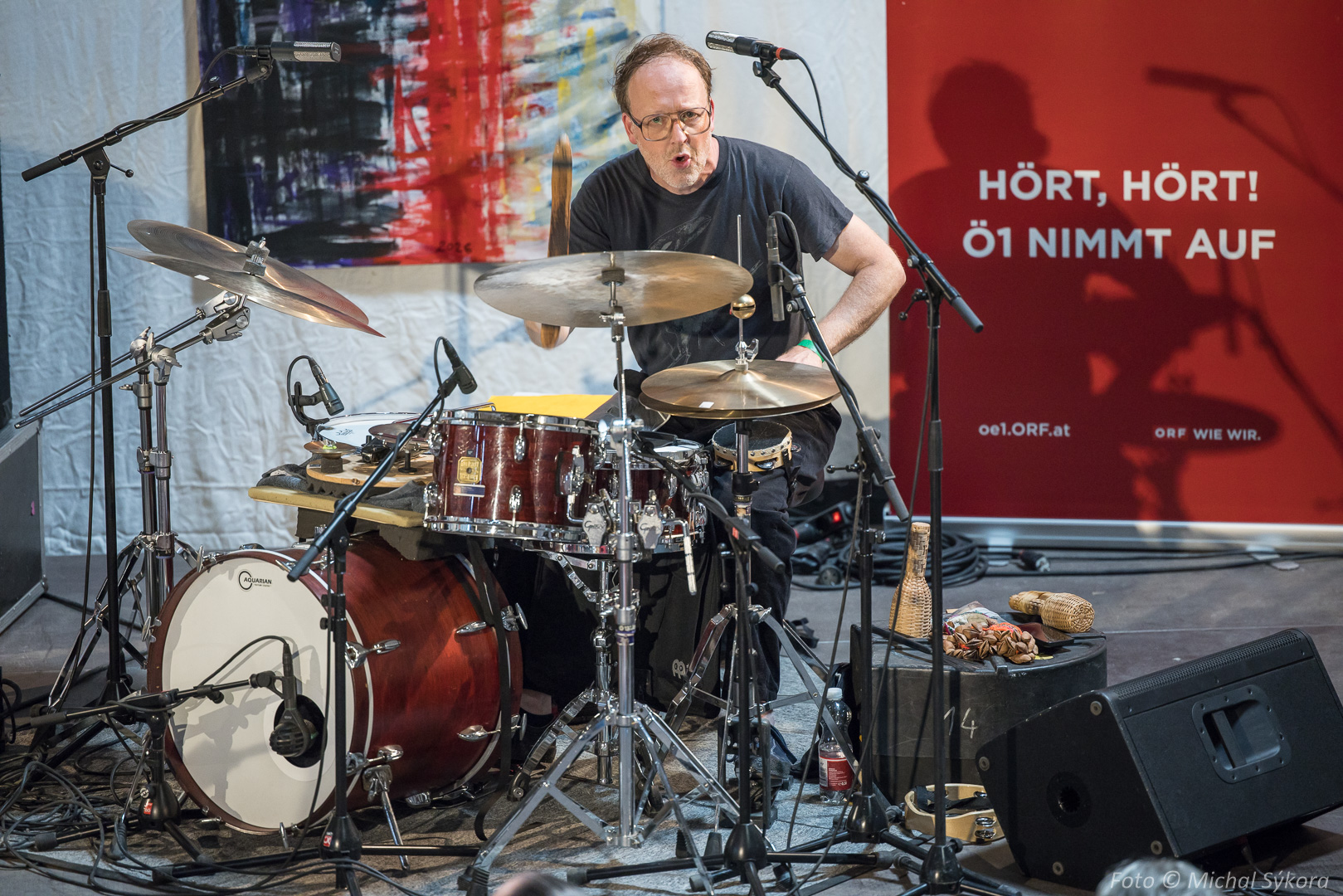
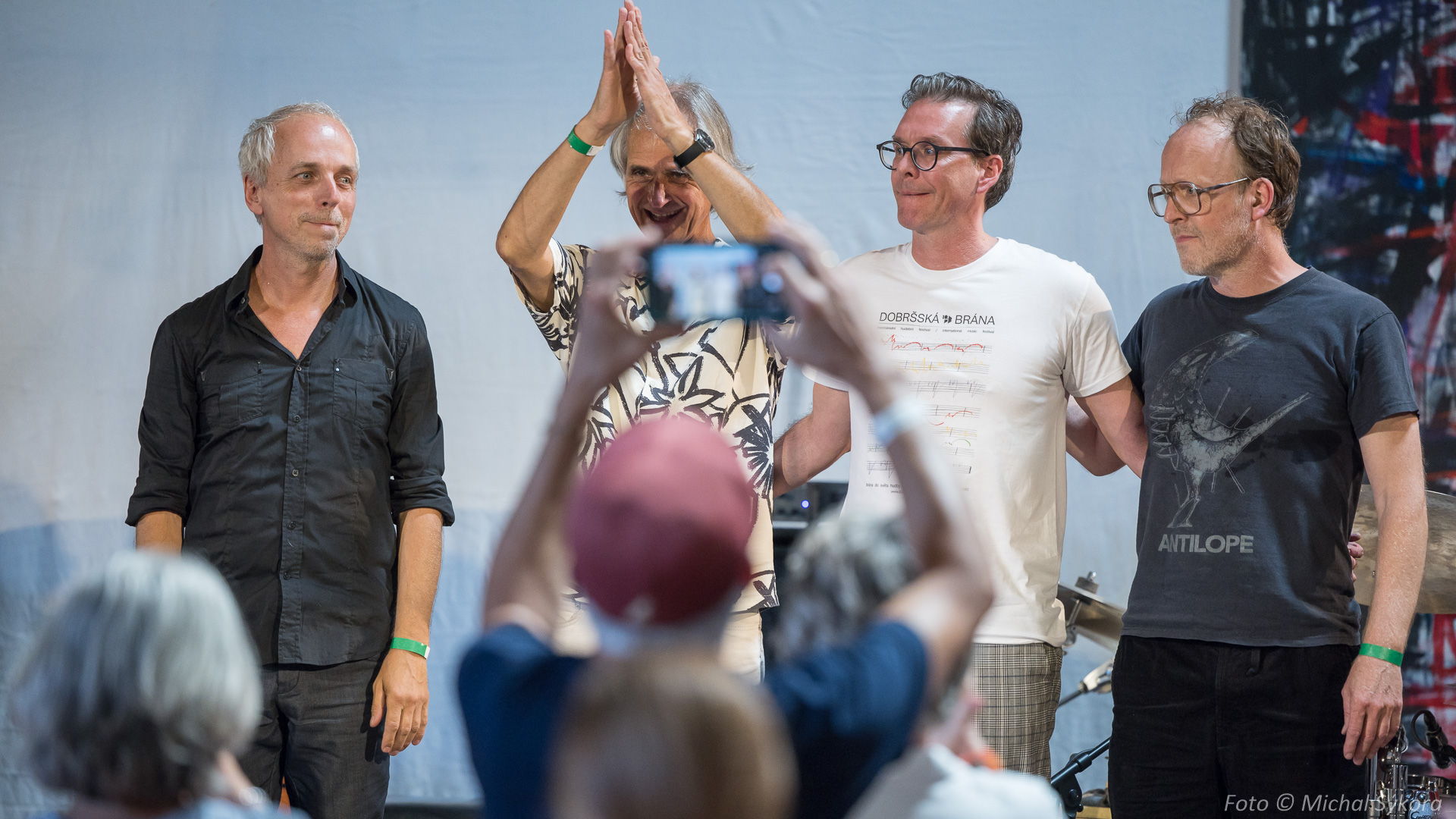
Whilst the bandleader’s tale of galaxies had far more atmosphere under the open sky on a warm summer’s night in Dobrš than in the sweltering barn (which was gradually turning into a proper sauna), the performance itself was once again flawless and even featured a curious festival moment. When the band on the outdoor stage began to drown out the intimate encore of There Is Always Hope, the organiser himself, Paul Zauner, promptly ran outside and temporarily halted the performance on the meadow.

Aki Takase & Daniel Erdmann
Roughly a year after their Prague performance, I enjoyed a set by the avant-garde duo of Japanese pianist Aki Takase and German tenor saxophonist Daniel Erdmann in the rather sauna-like atmosphere of the barn. Both musicians delivered a brilliant, delightfully mad ride, underpinned by their long-standing telepathic rapport.
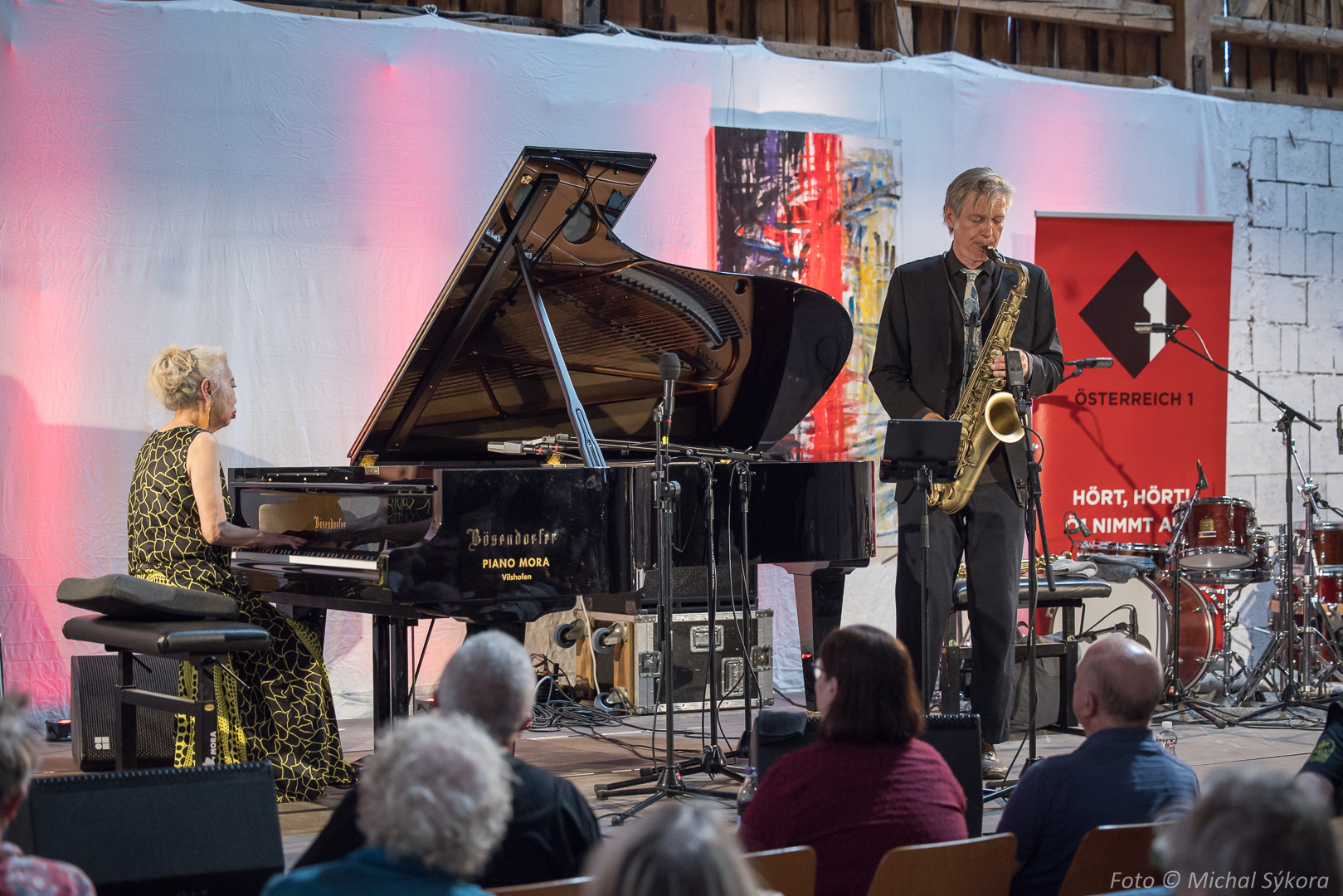
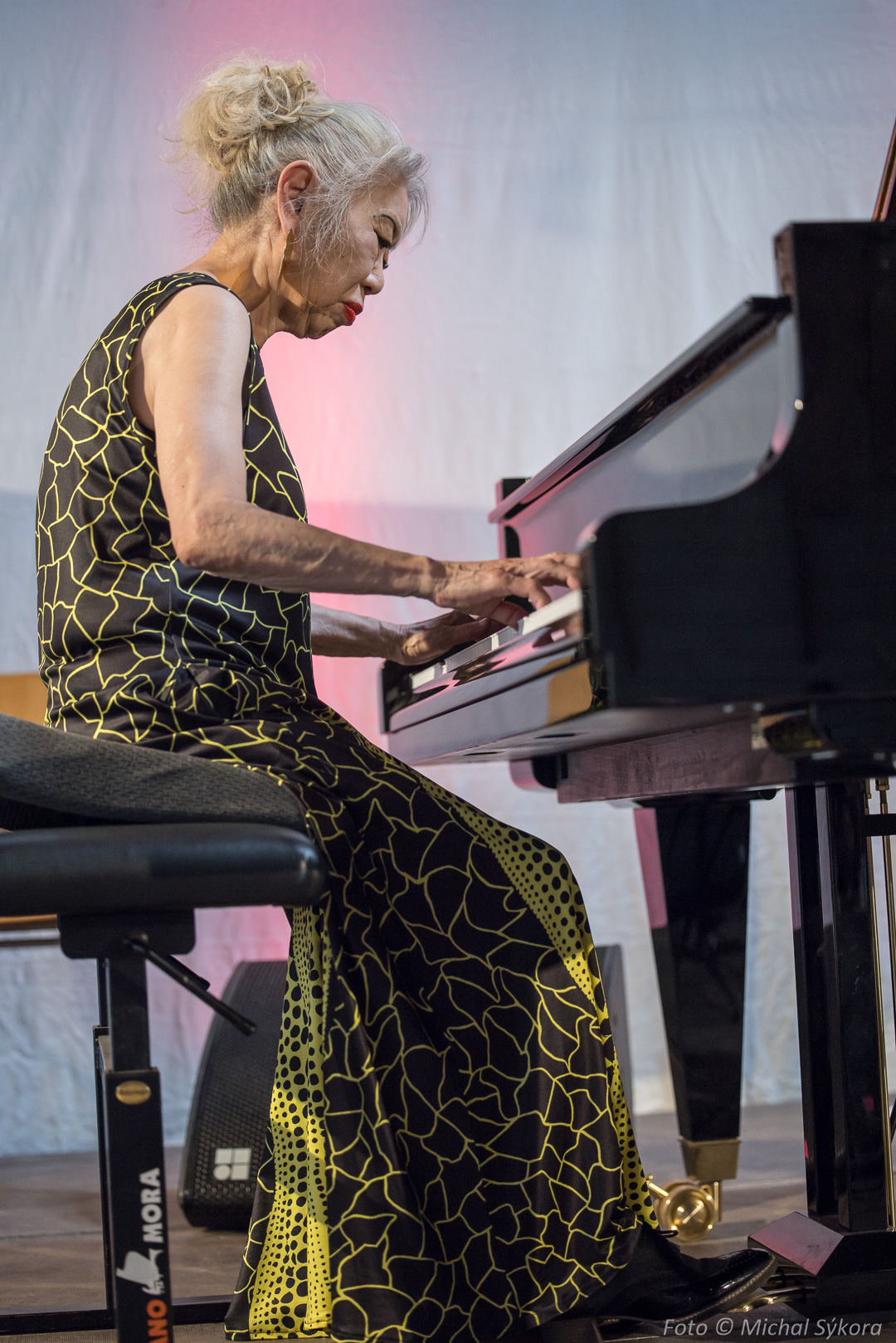
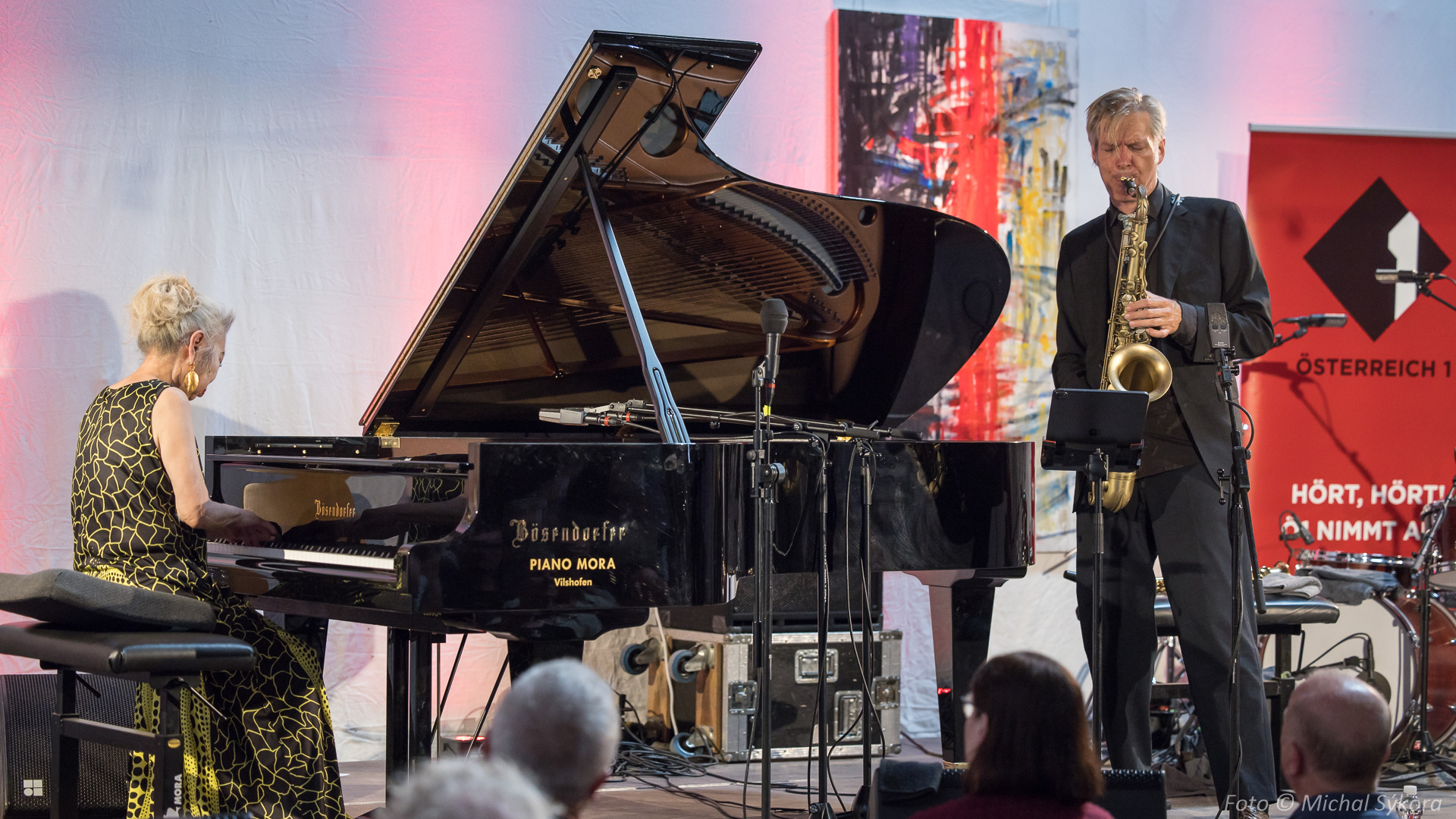
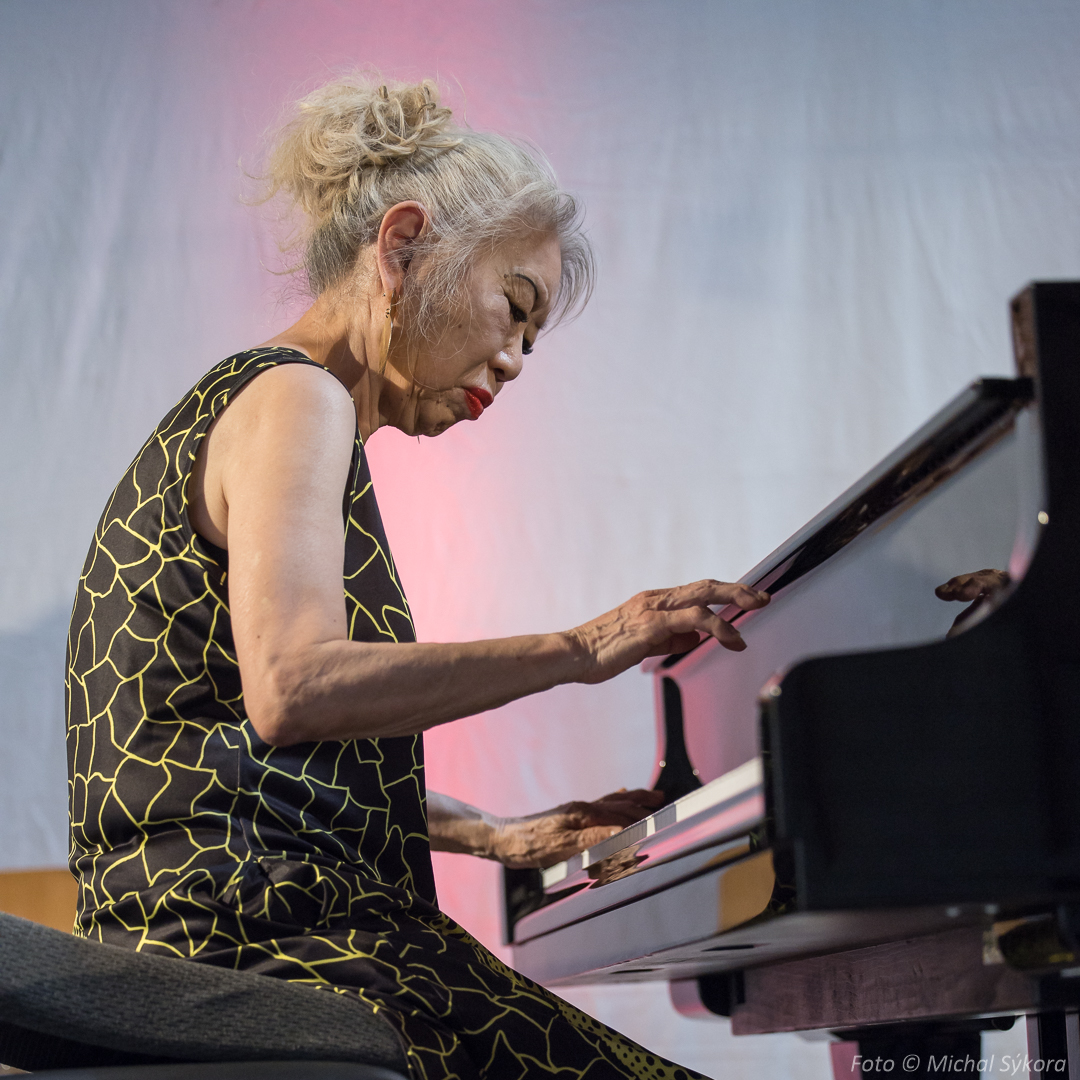
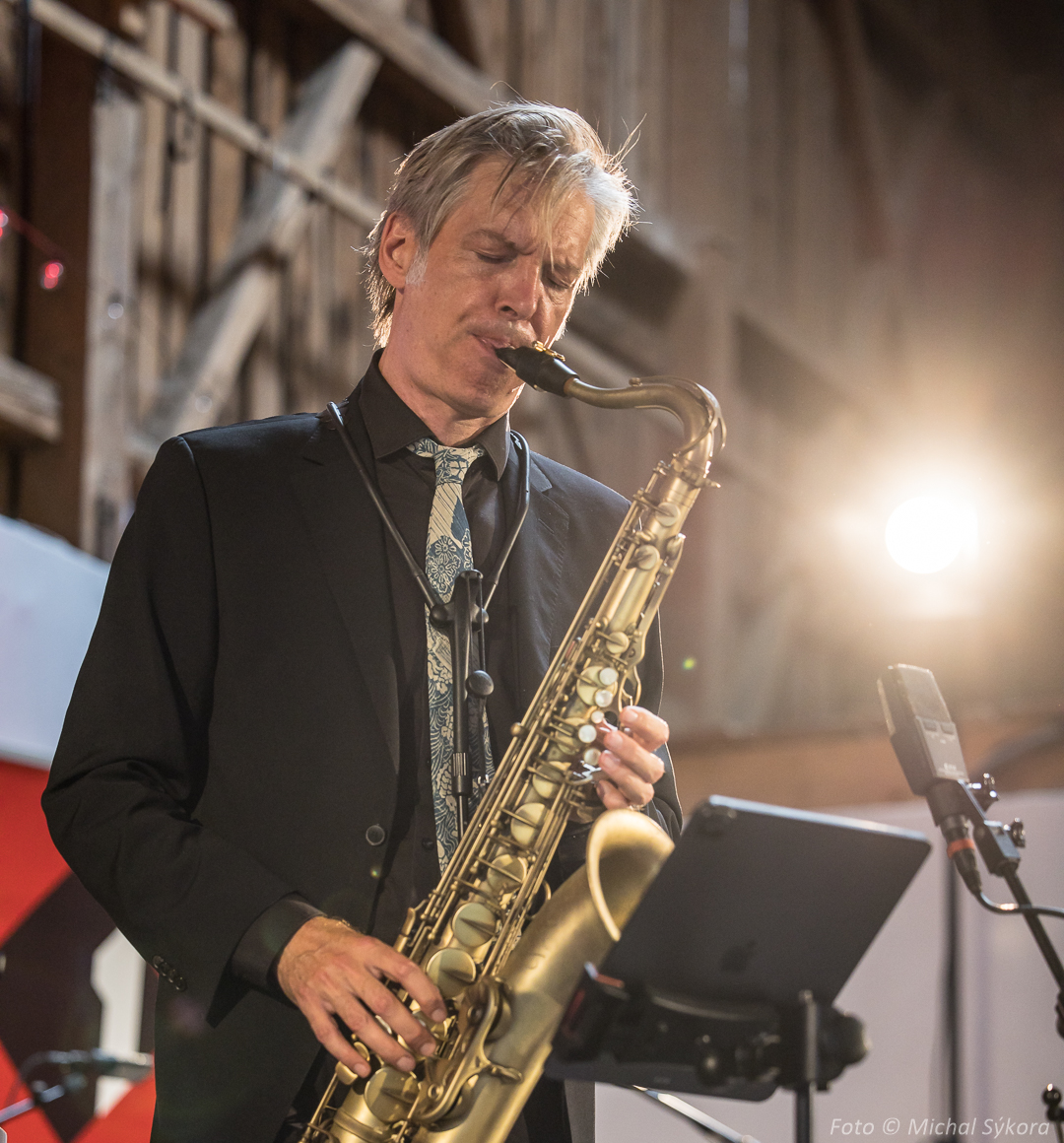
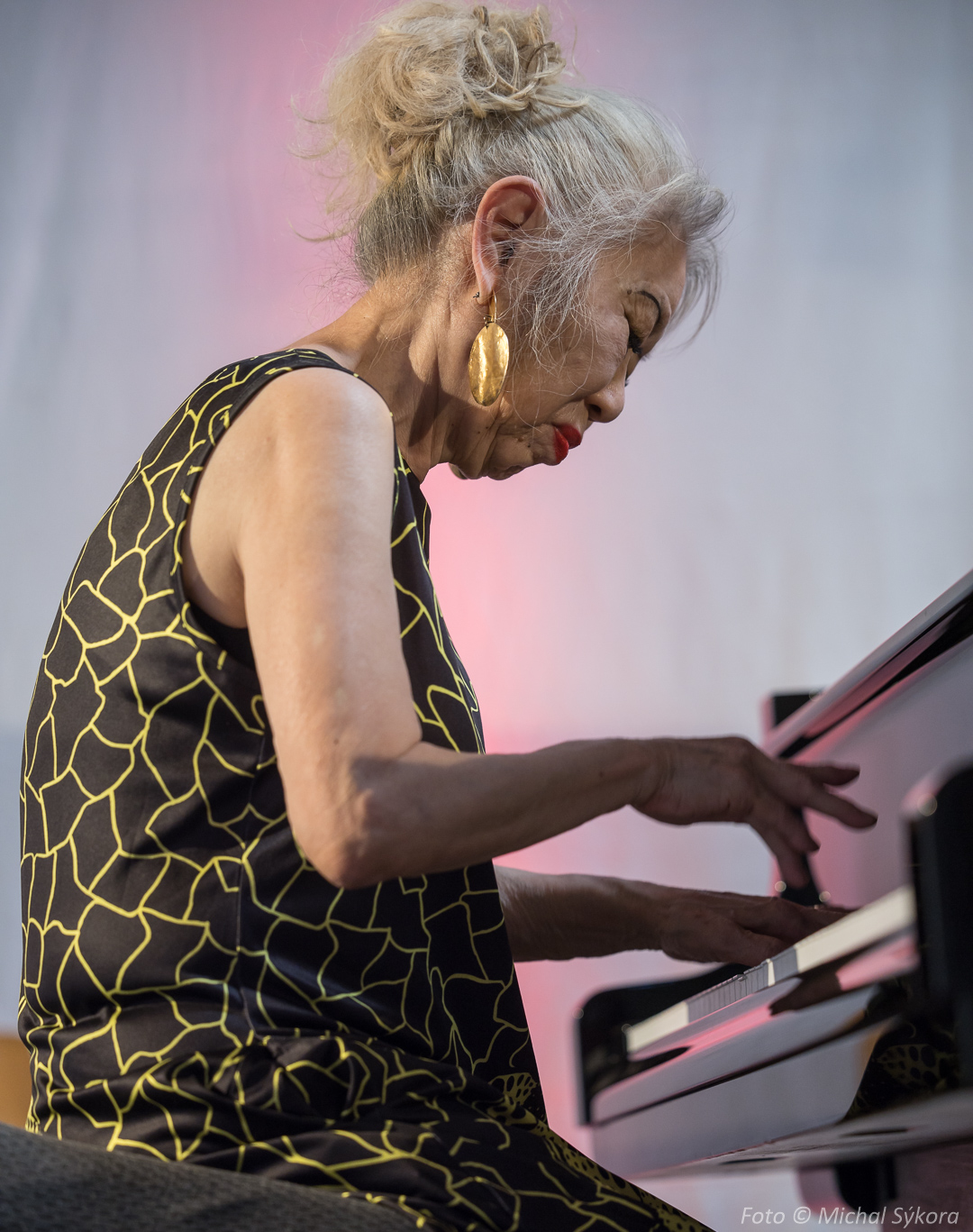
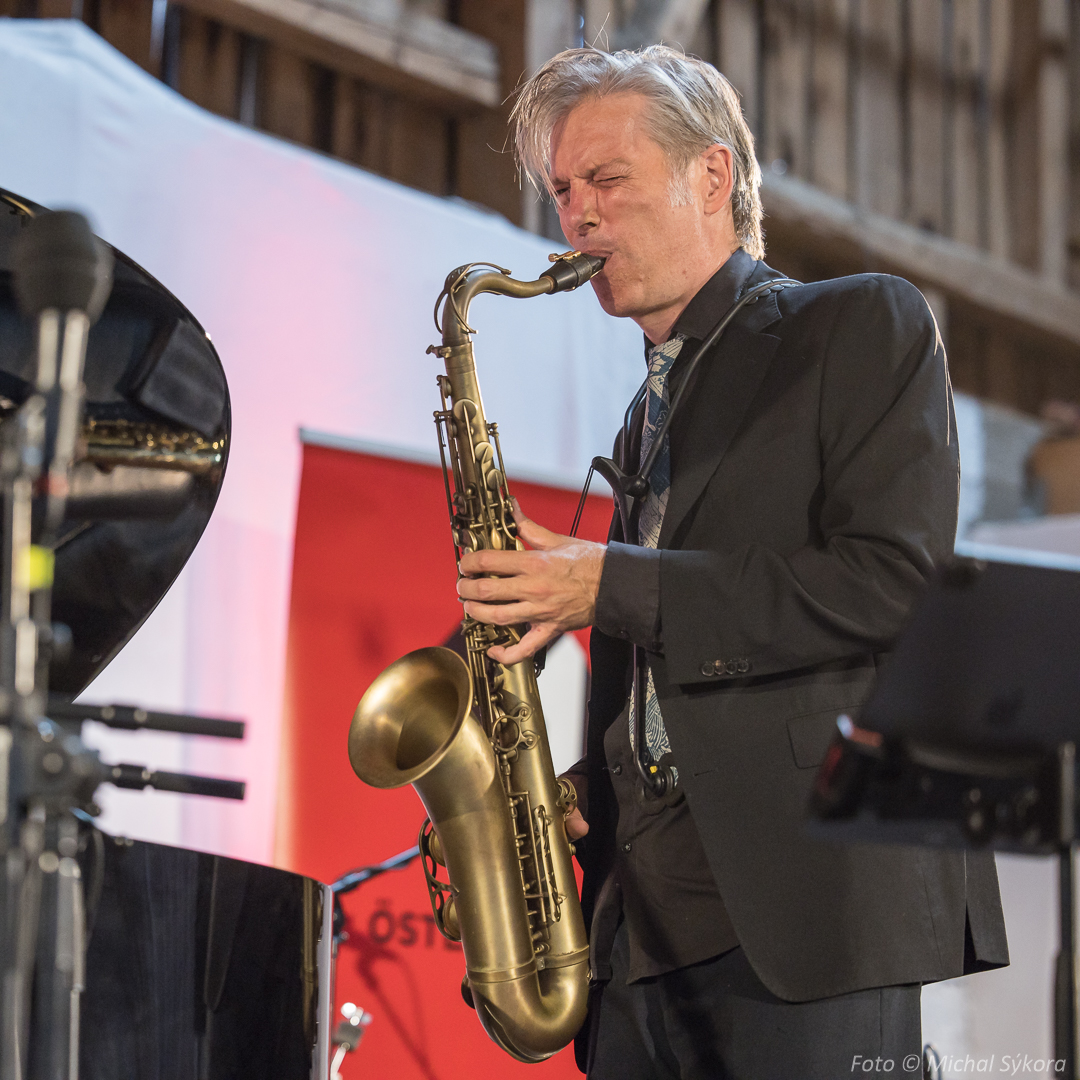
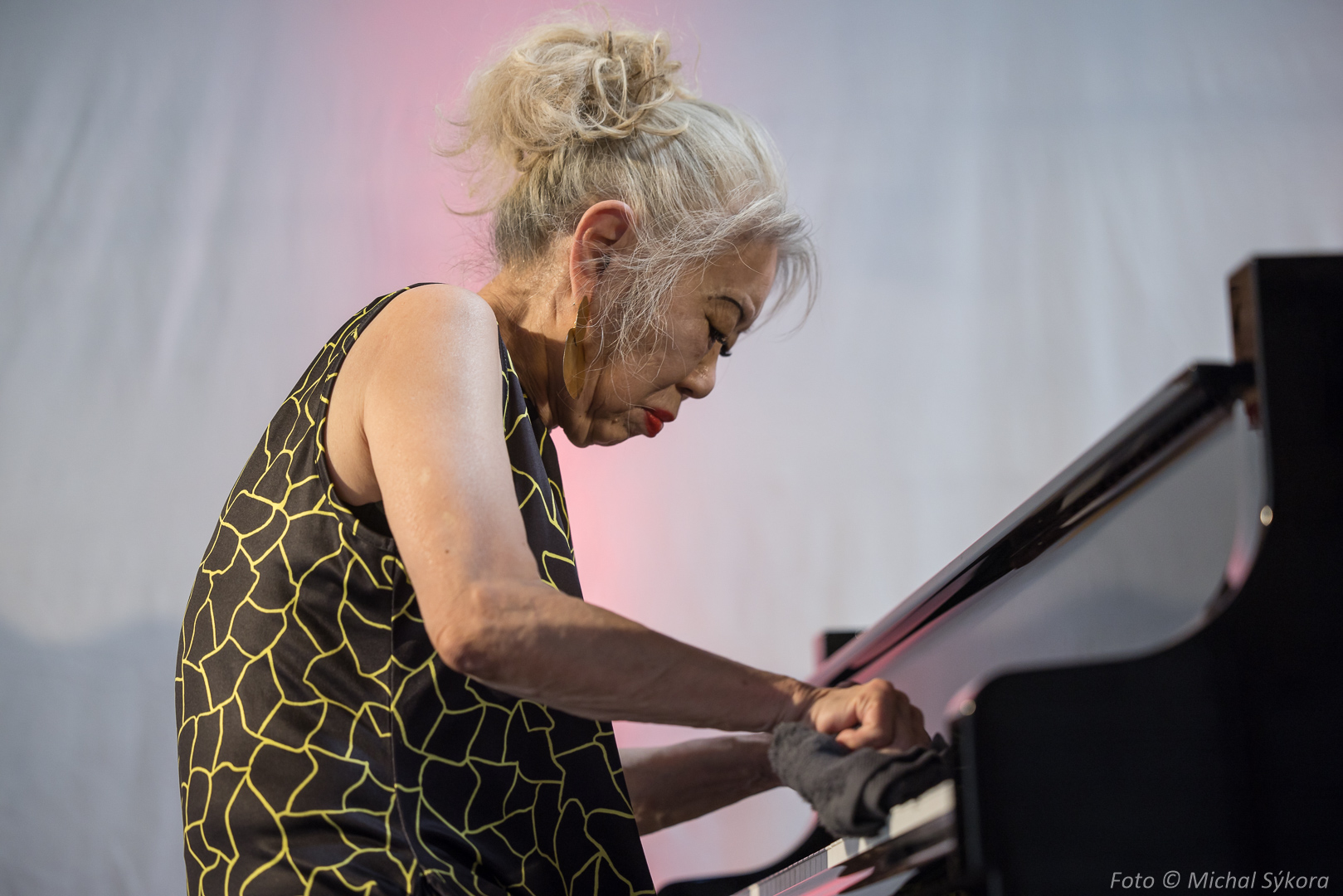
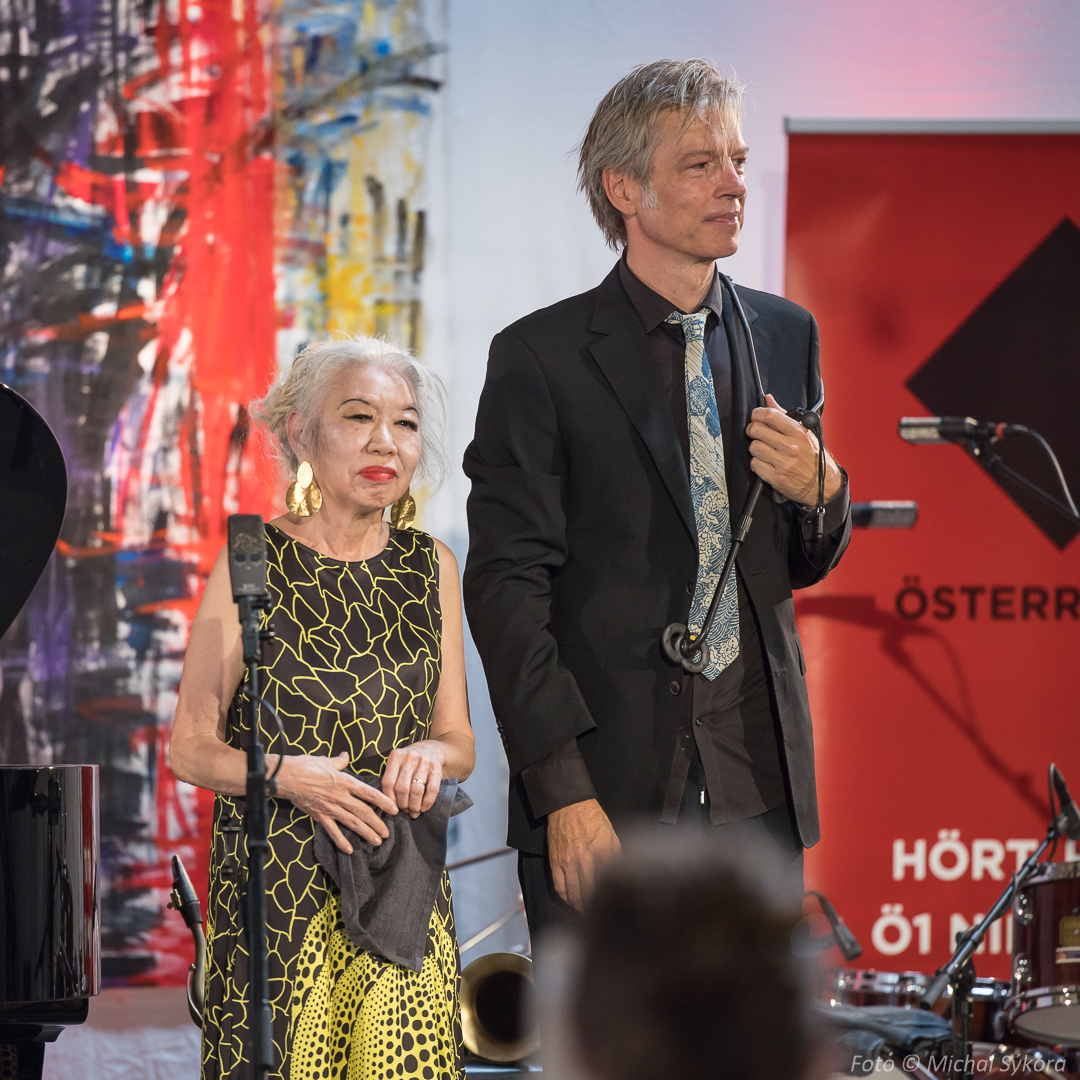
They opened the set with a distinctive arrangement of Ellington’s Caravan, into which they seamlessly wove various musical references, standards and their own original compositions. The precision of their unison passages and the thrilling changes in tempo opened up space for absolute freedom of expression. They concluded the concert with a tribute to Mingus in the form of the composition Duke Ellington’s Sound of Love.

Gunhild Carling
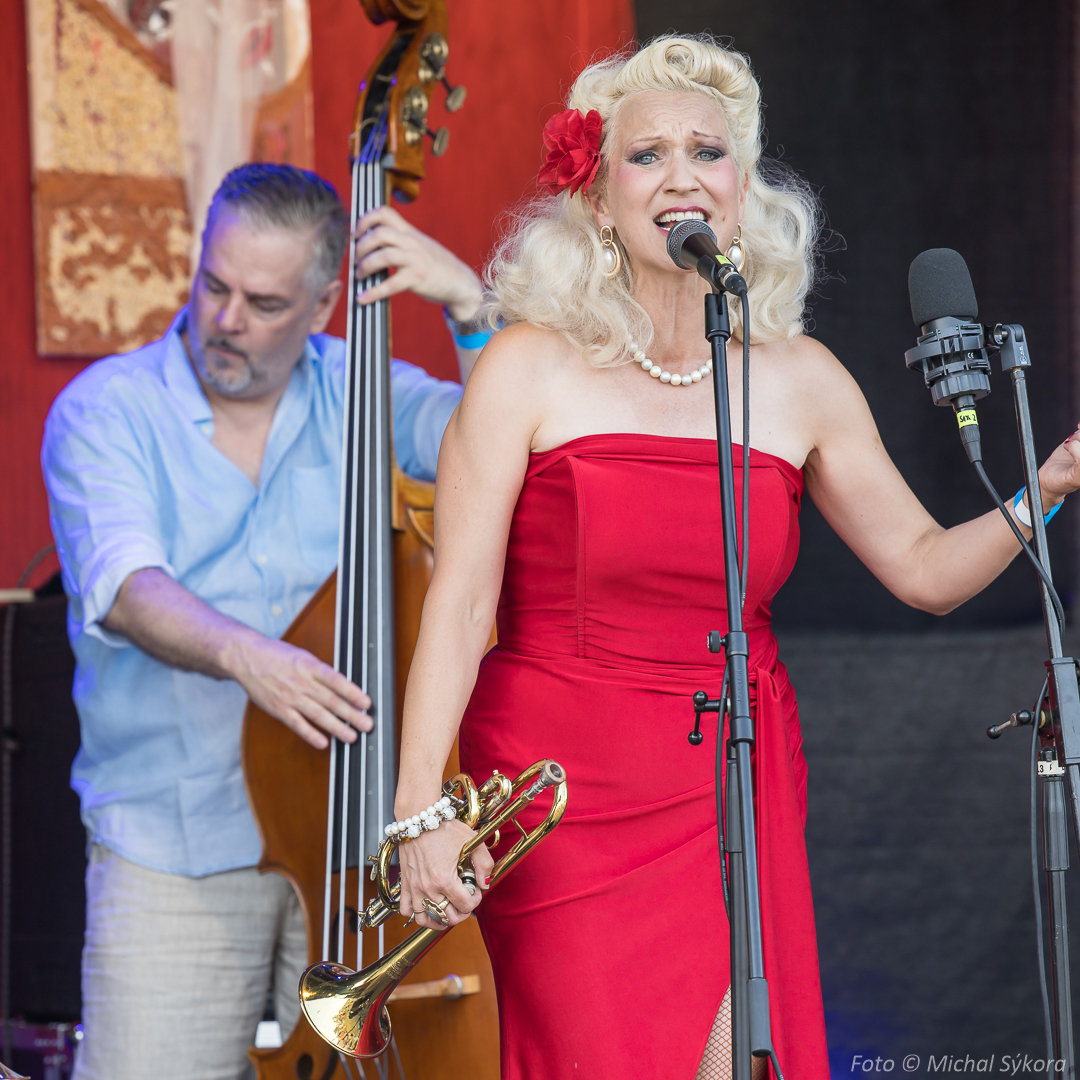
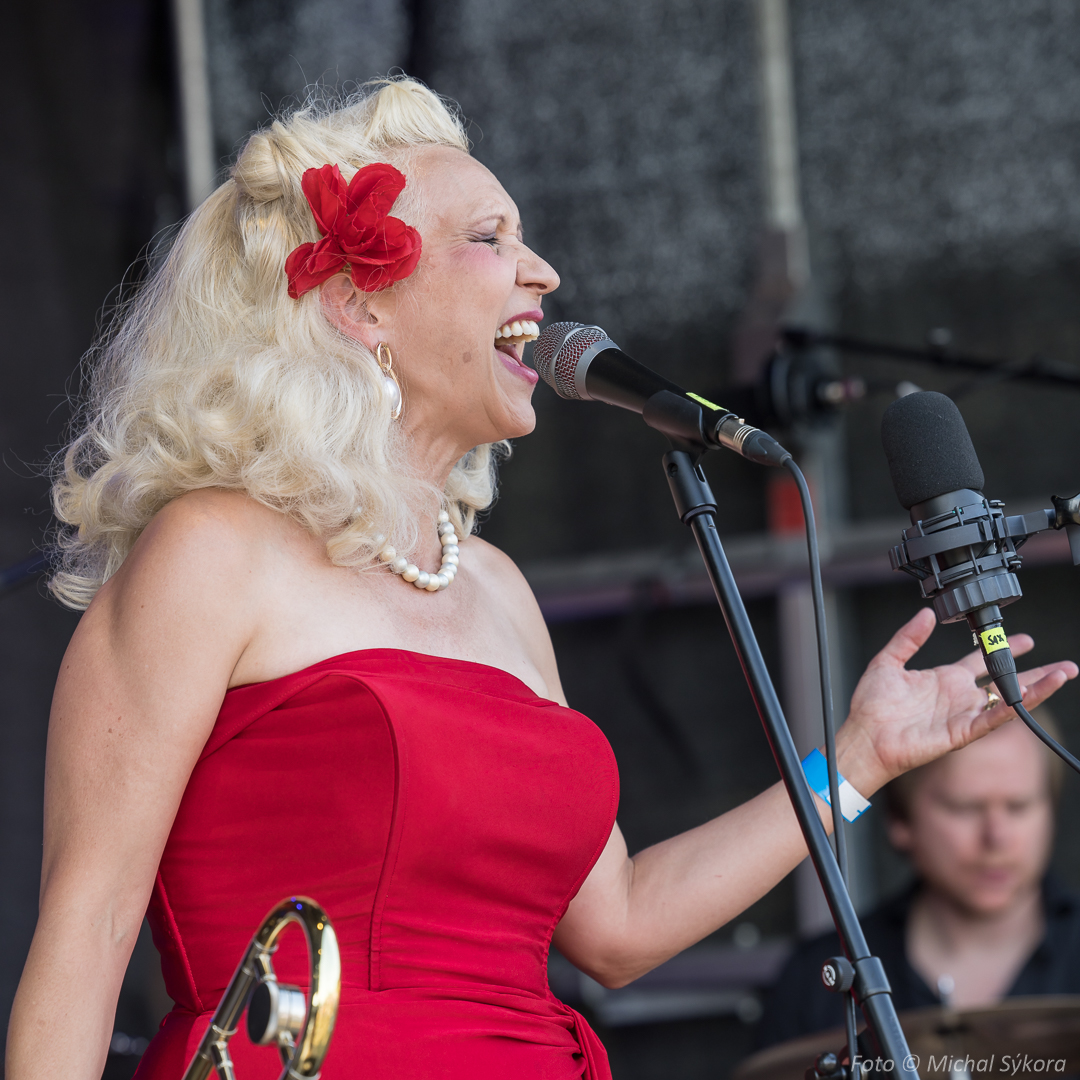
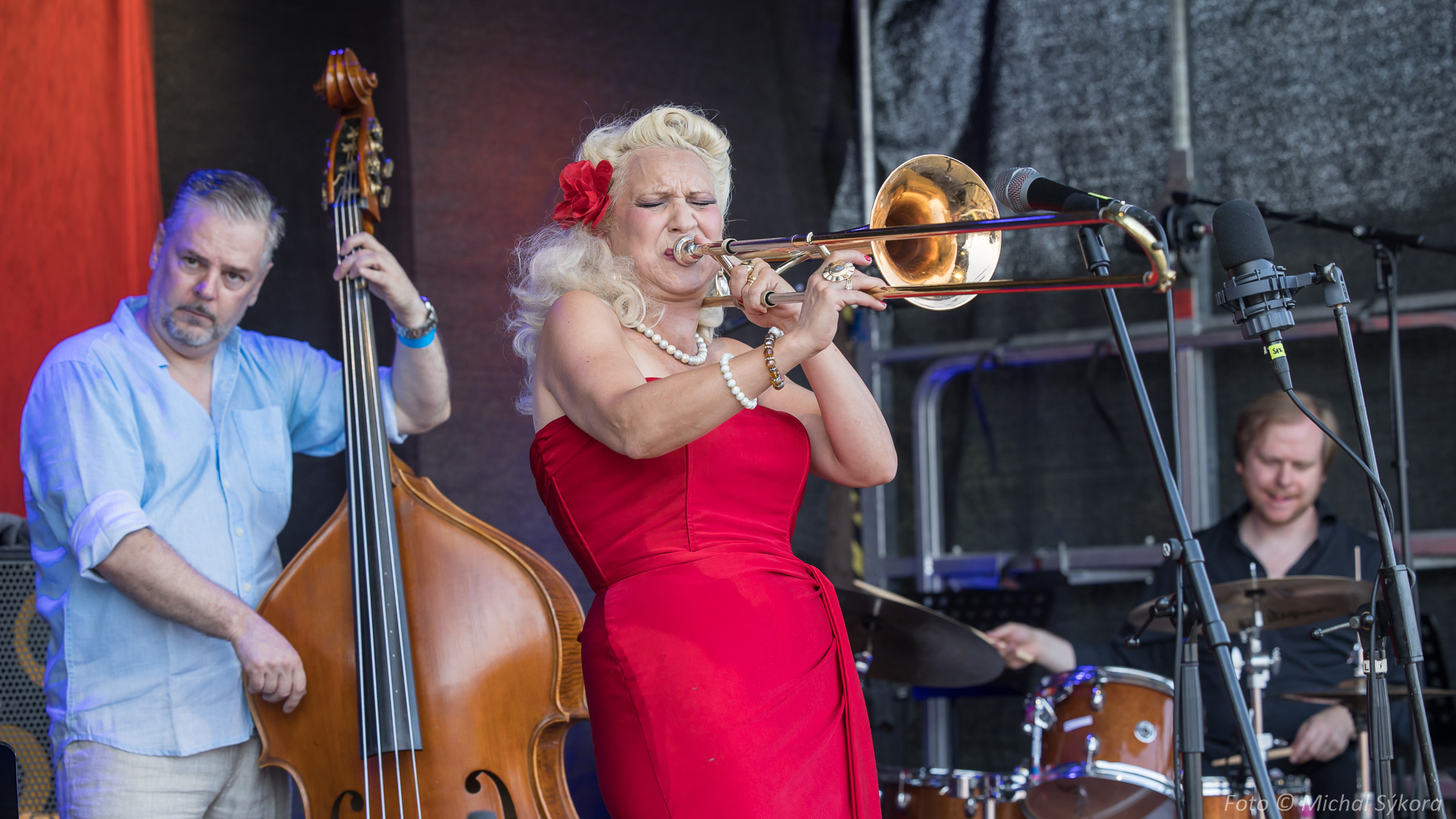
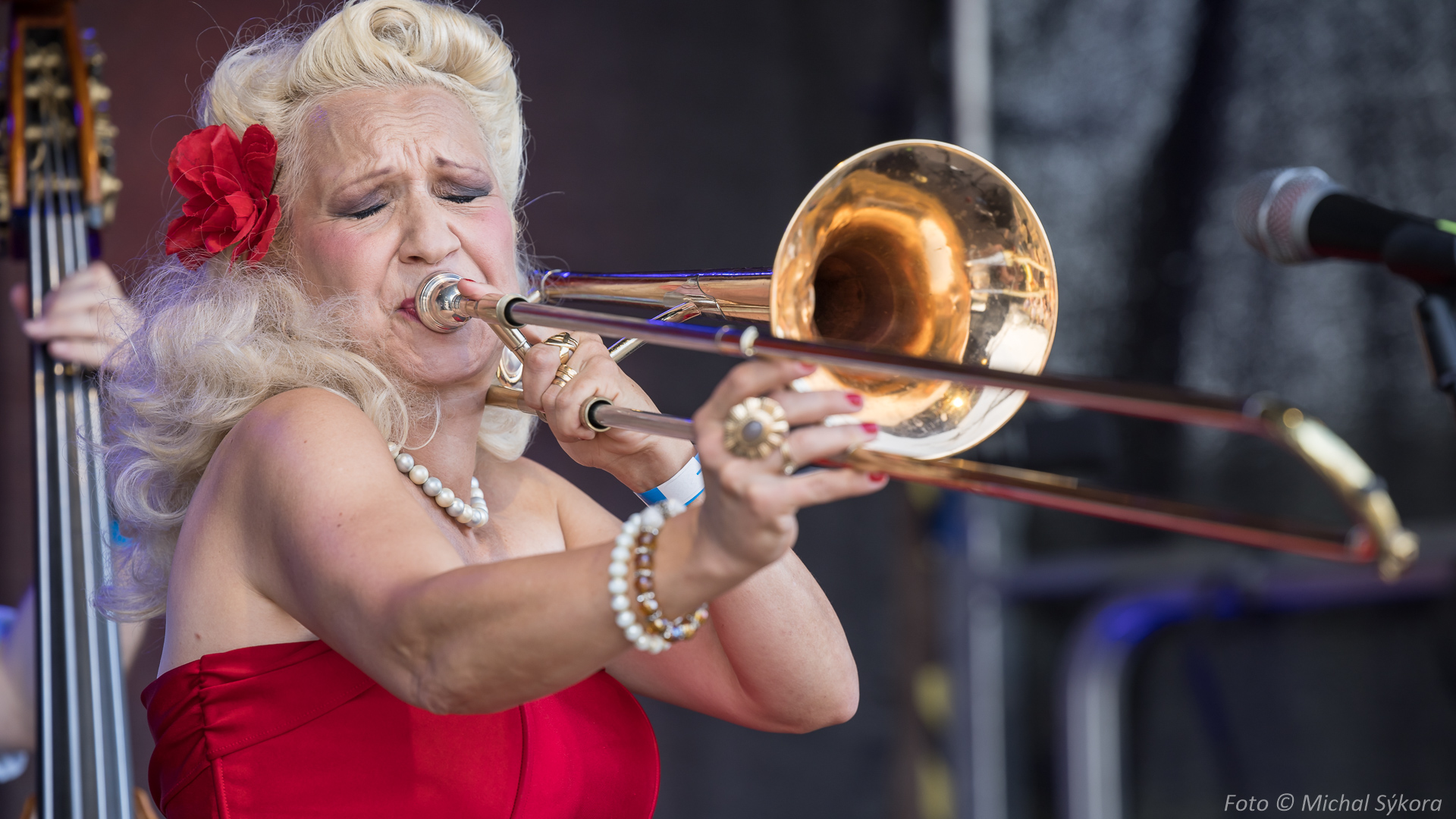
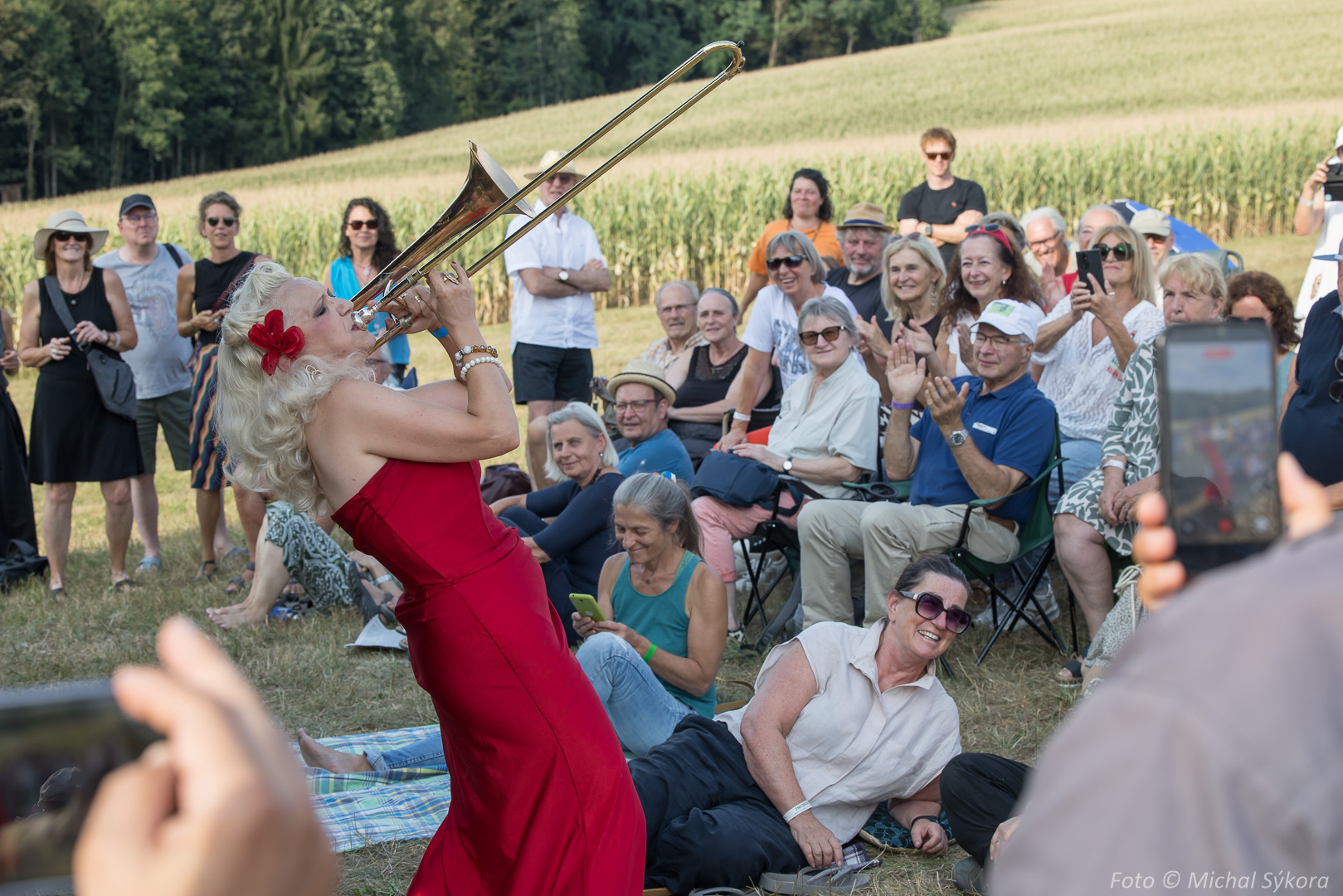
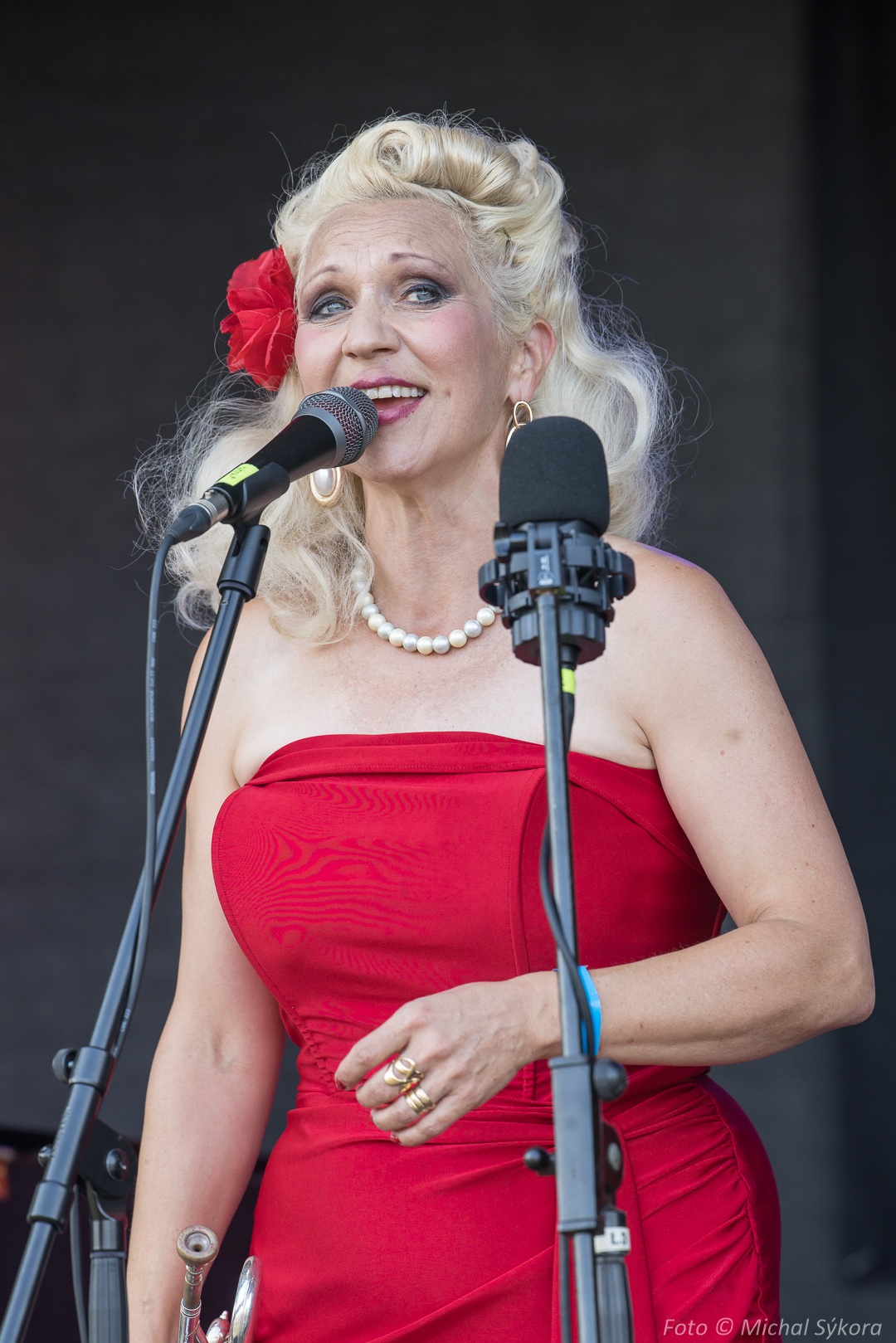
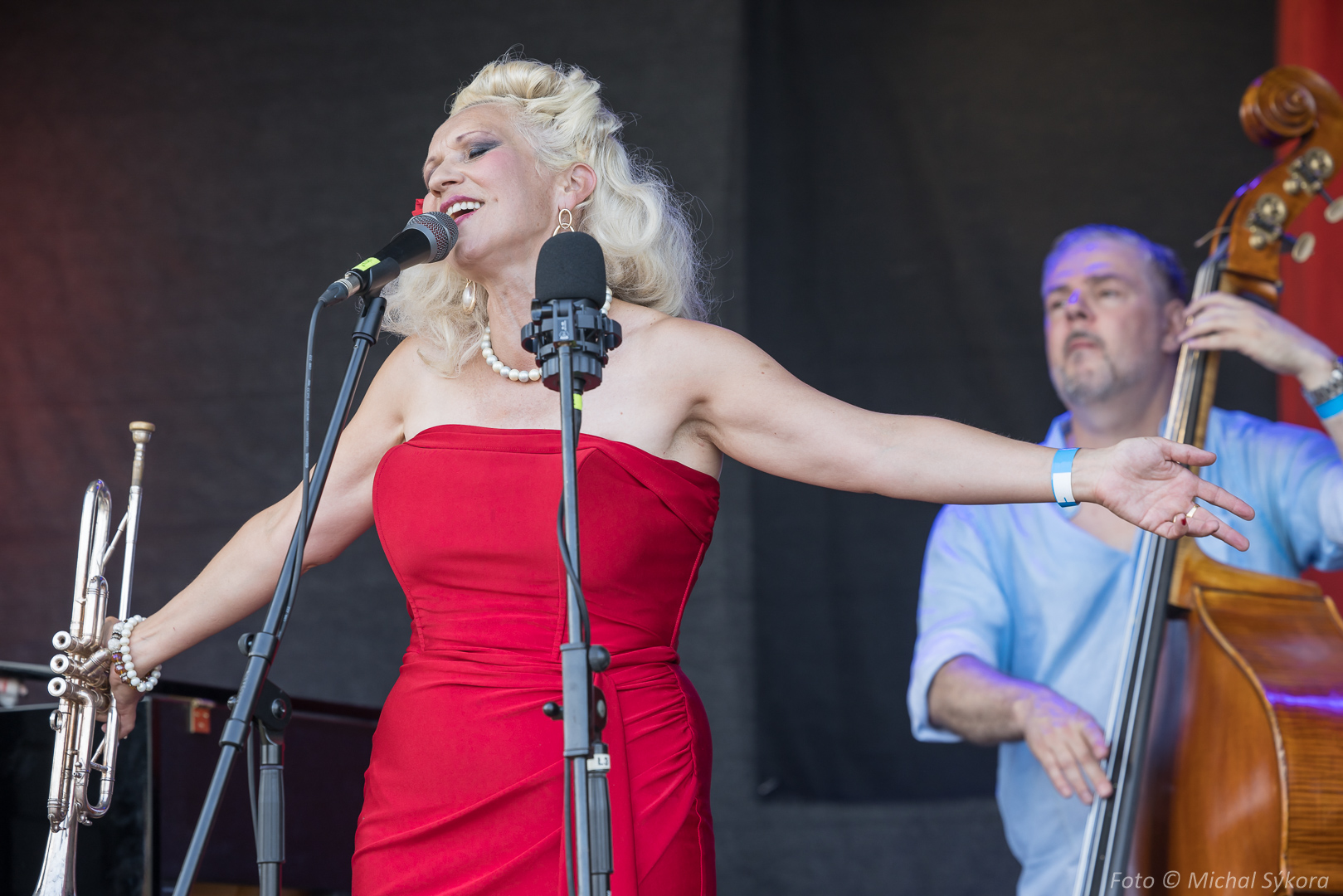
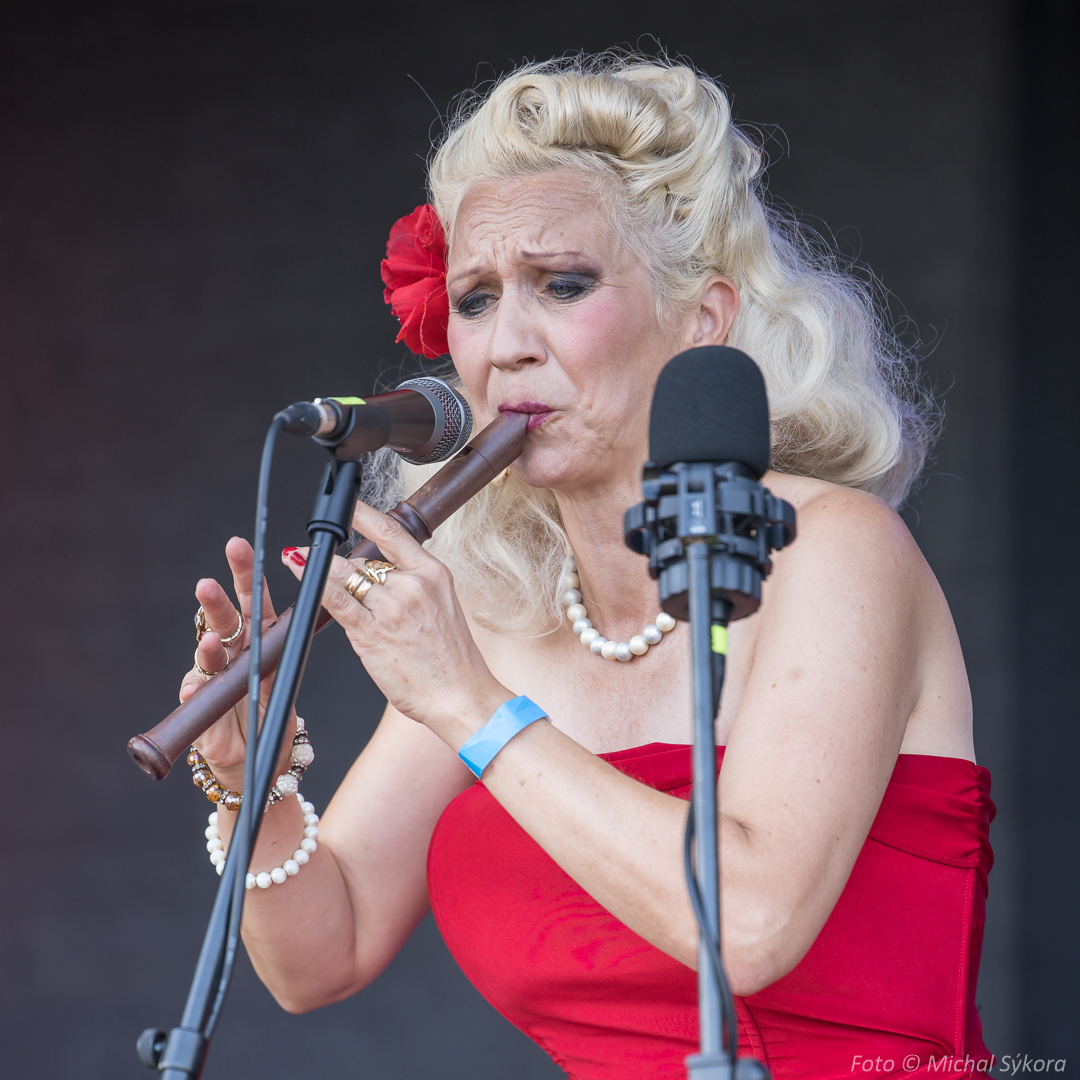
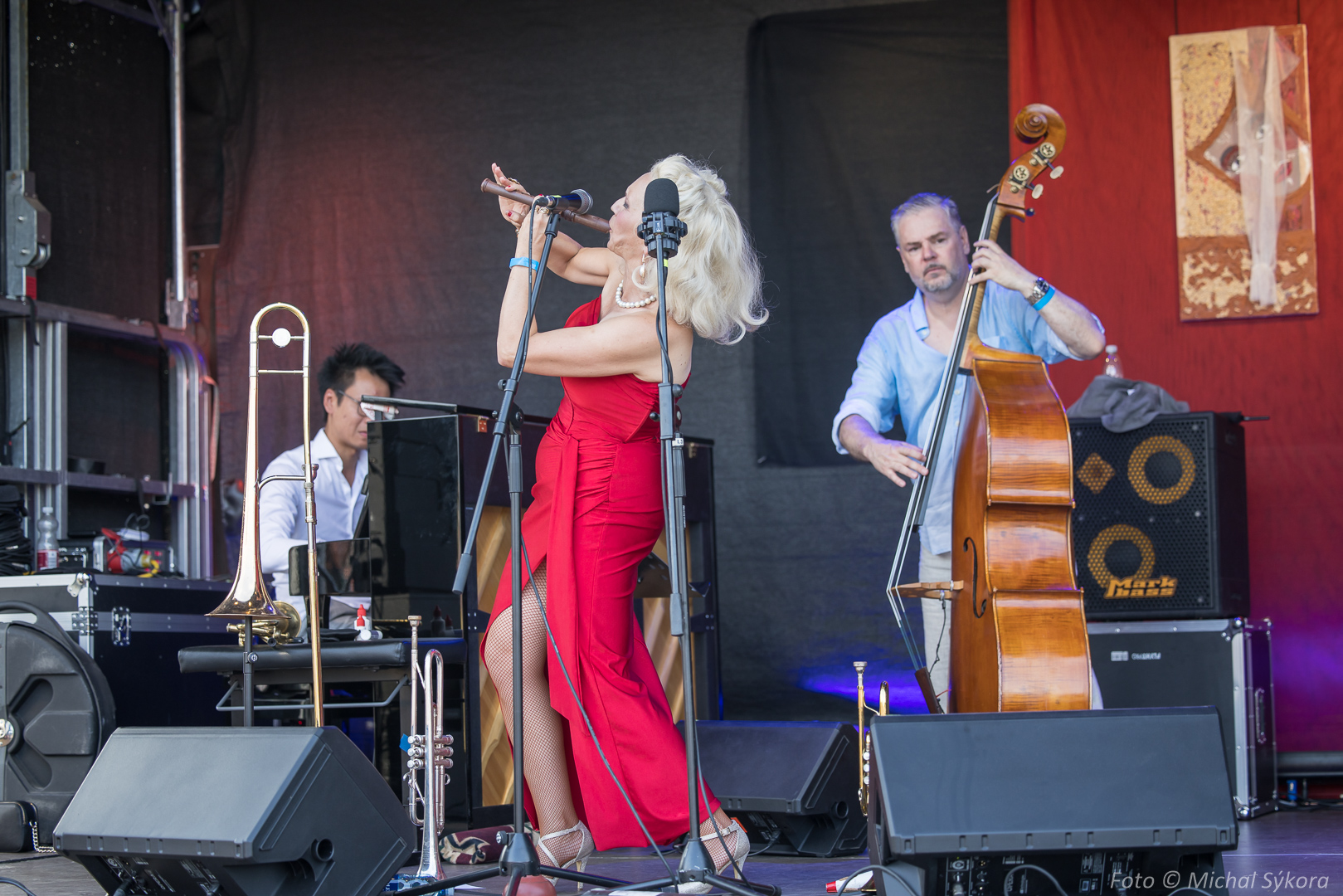
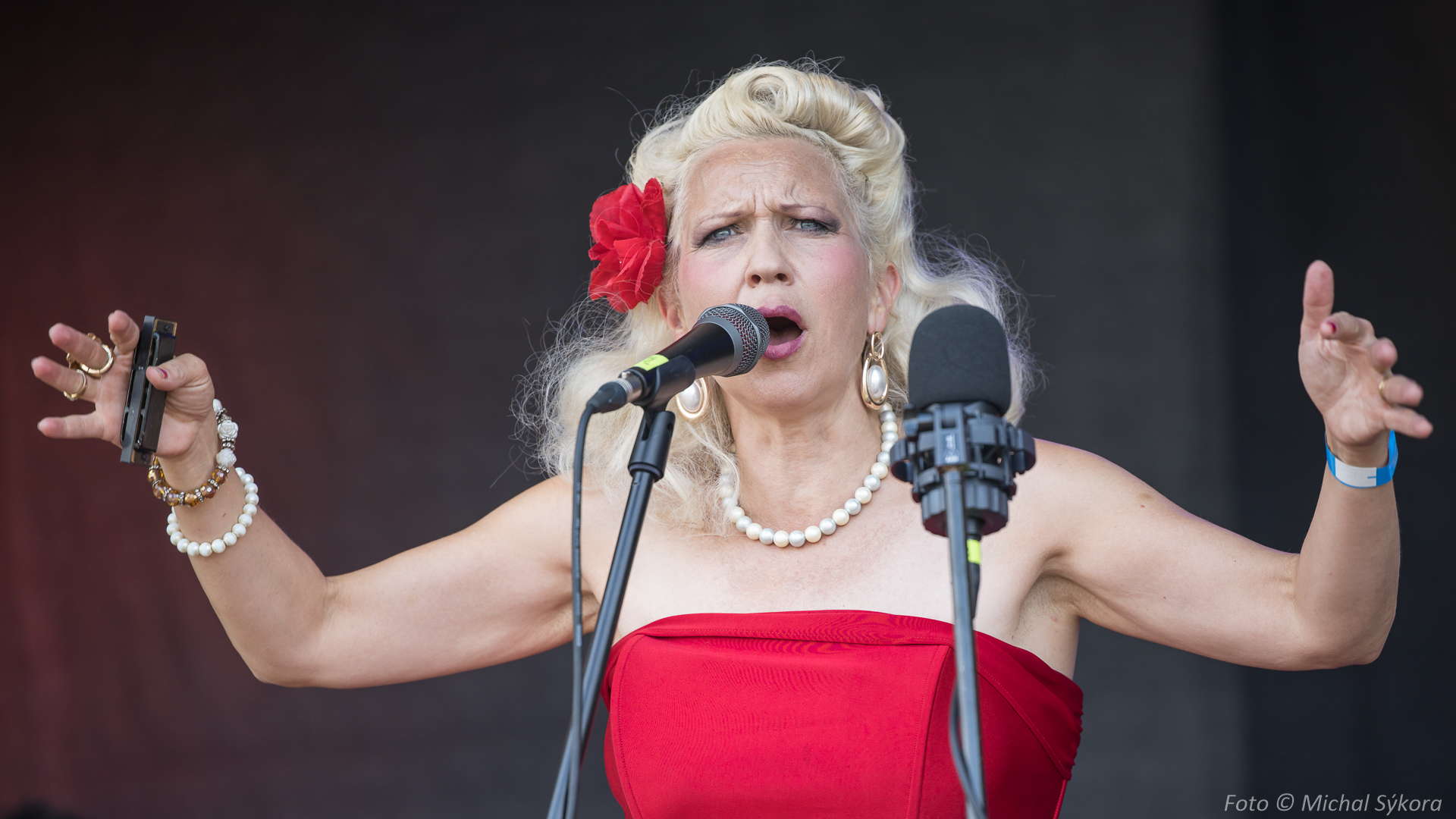
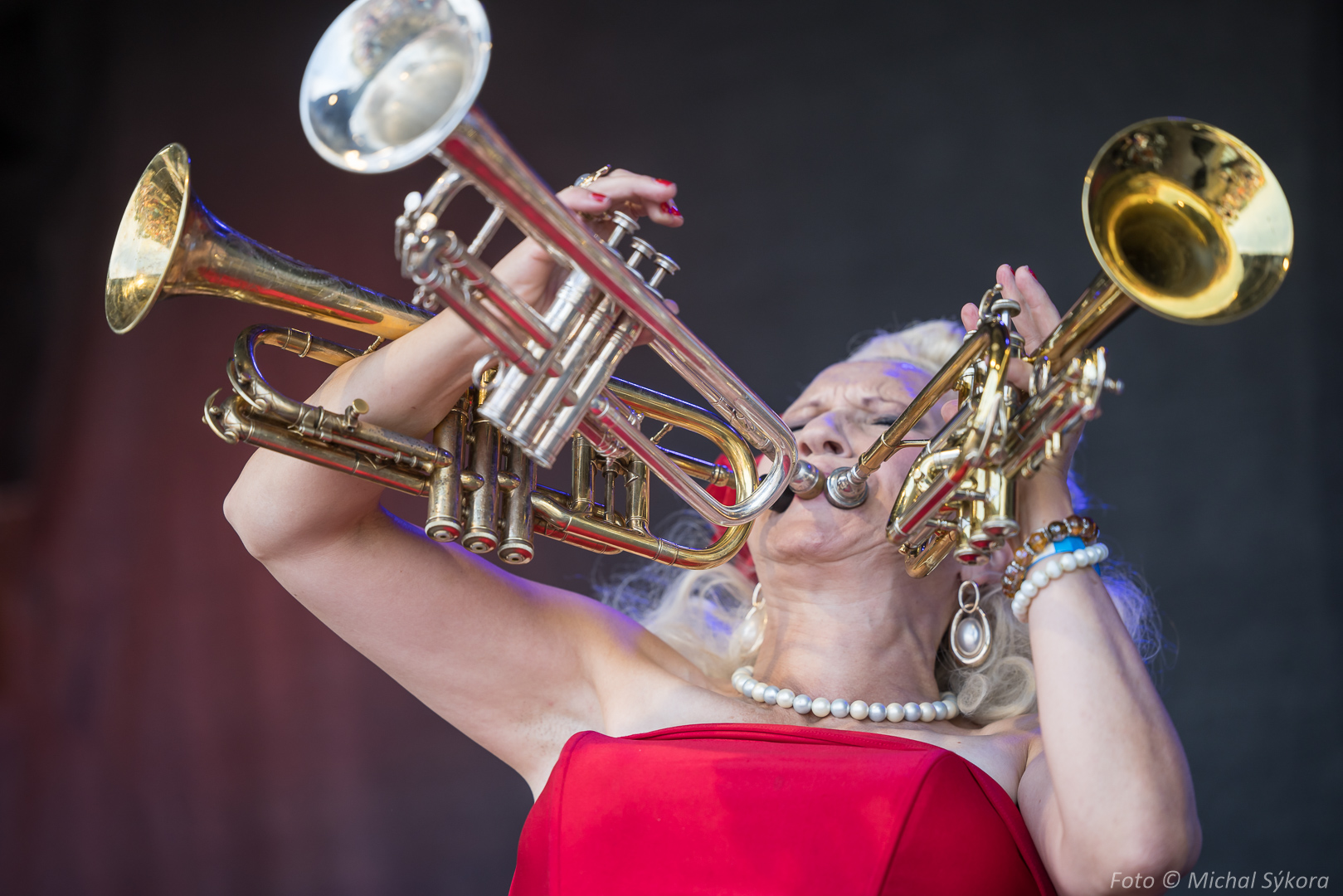
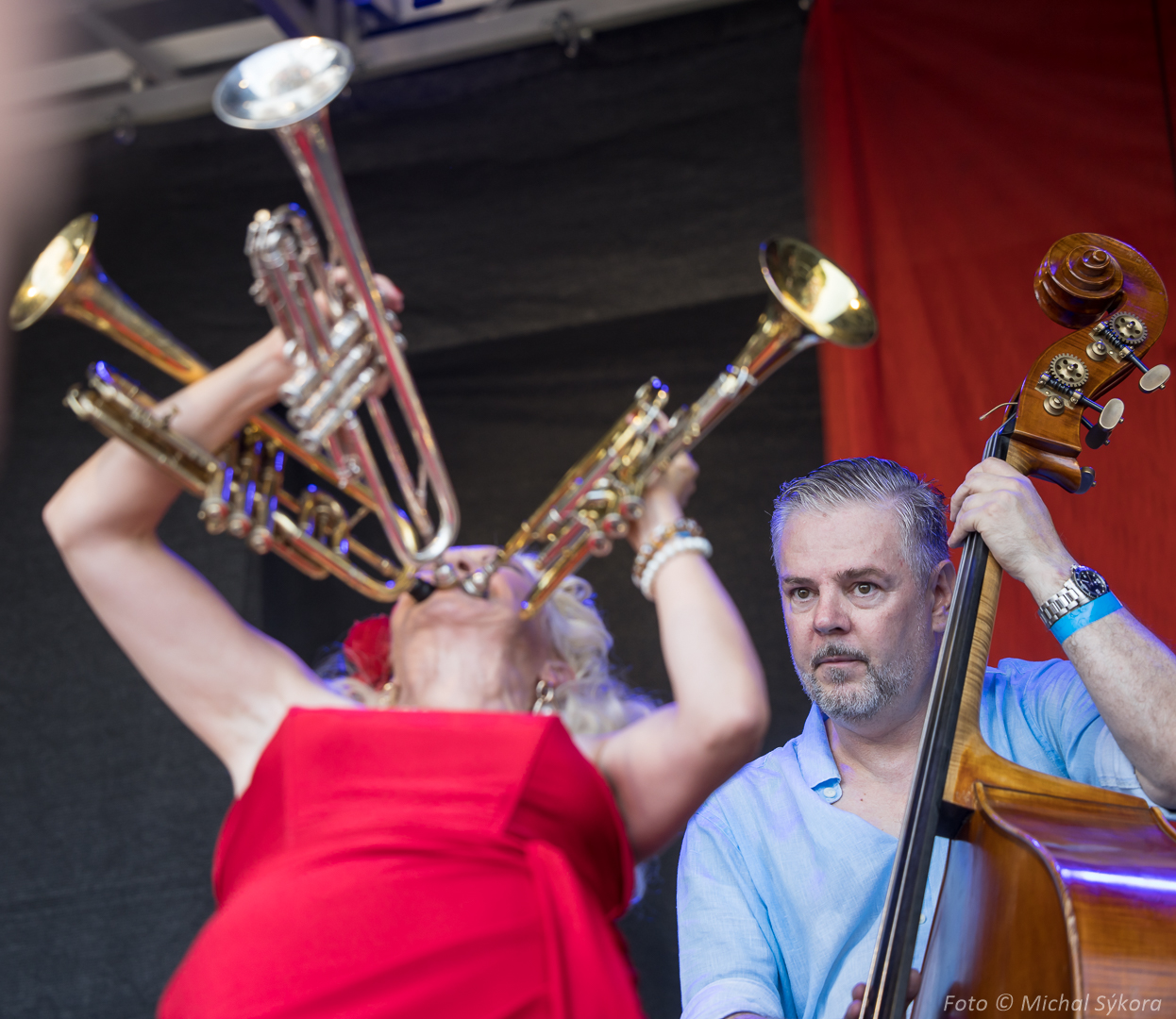
During the interval in the barn, Swedish multi-instrumentalist and singer Gunhild Carling took centre stage on the outdoor stage in the meadow. This energetic lady took the audience on a journey through the history of traditional jazz and, with her spirited performance, literally set the crowd in the meadow alight.
Luís Vicente Quartet
After the lively outdoor festivities, the barn hosted a performance that was considerably harder to digest, but all the more intense musically. Portuguese trumpeter Luís Vicente had assembled an uncompromising line-up – saxophonist John Dikeman, double bassist Luke Stewart and drummer Onno Govaert – and together they served up a ferocious free-jazz cocktail full of frenzied solo passages.
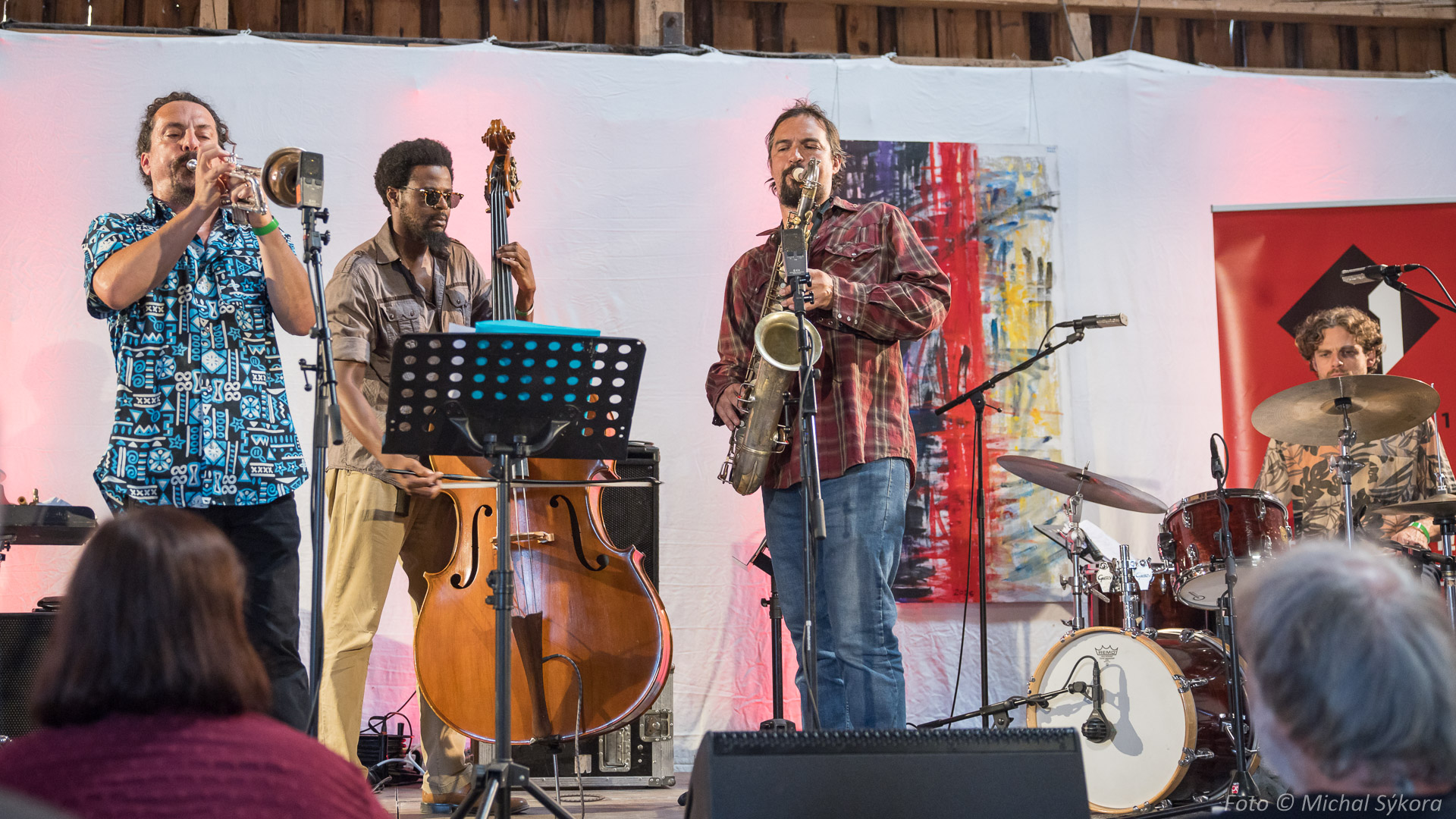
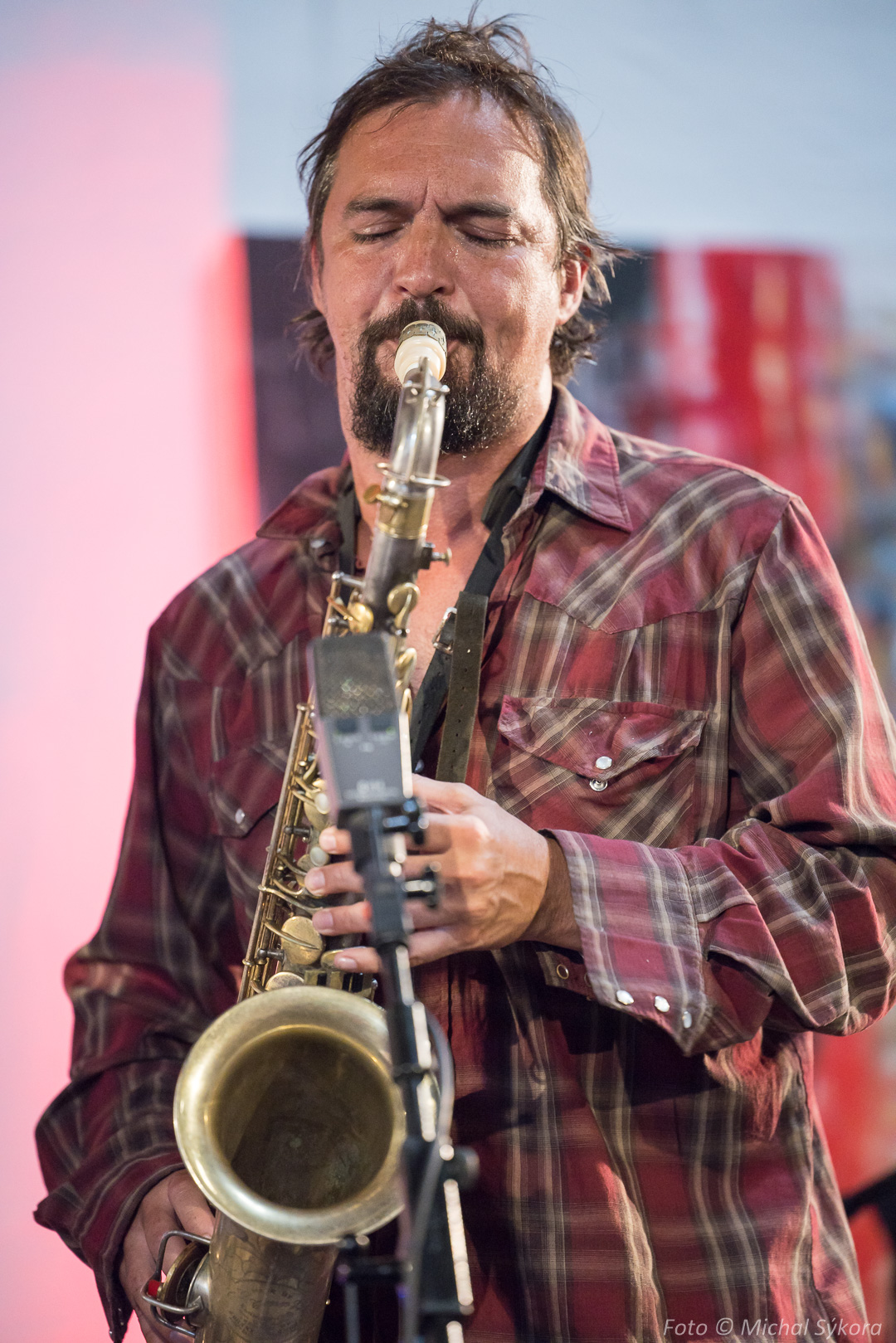
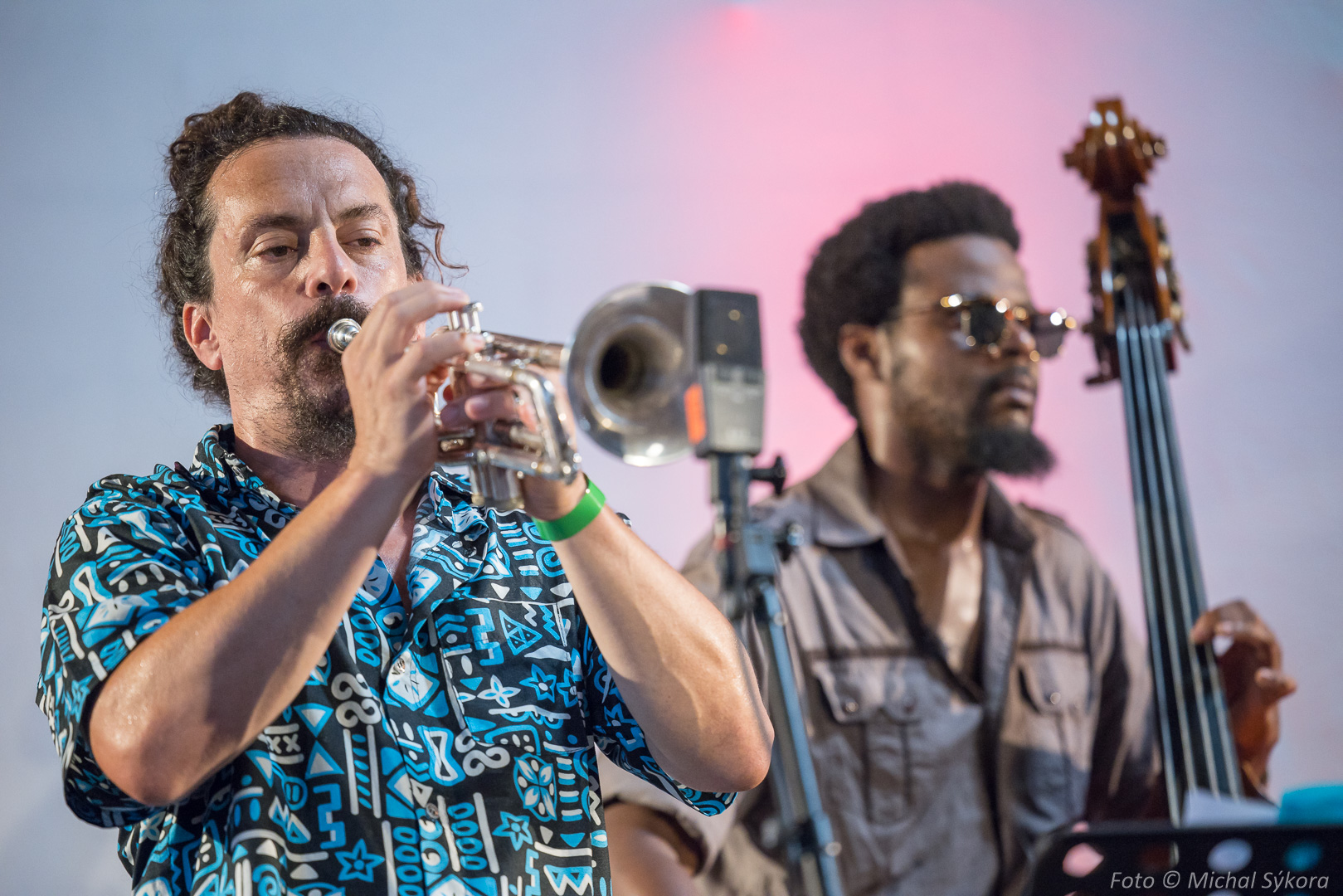
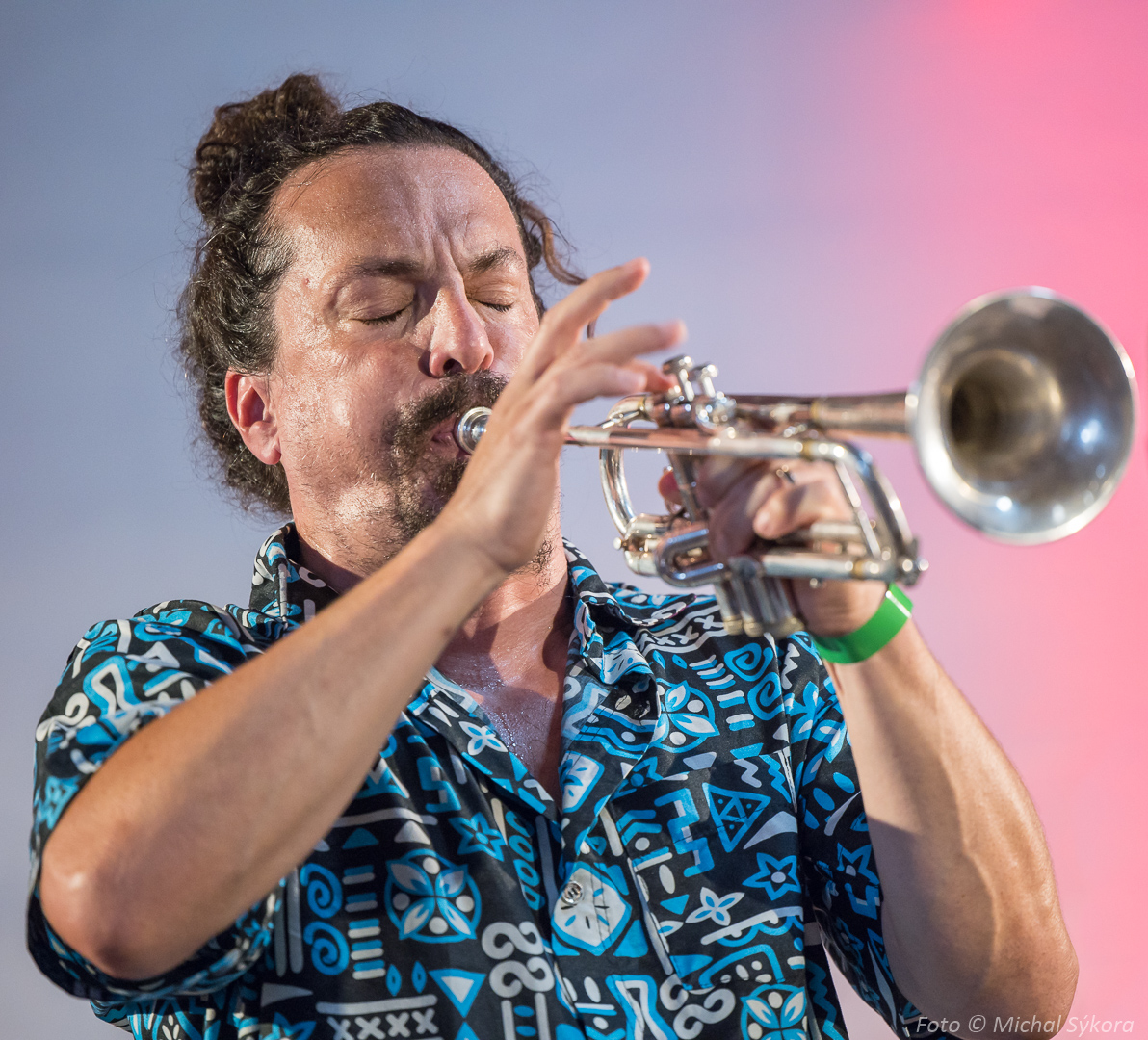
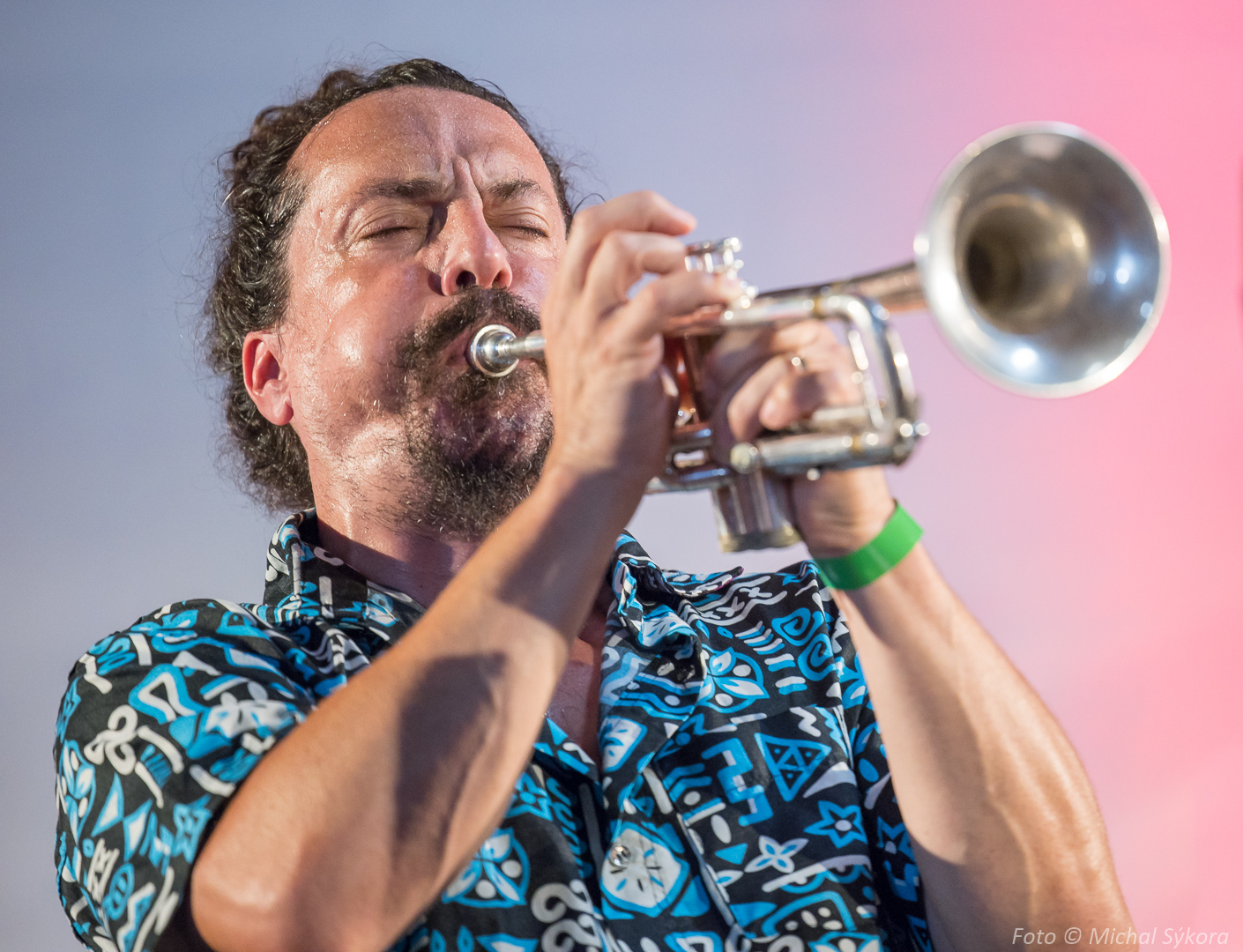
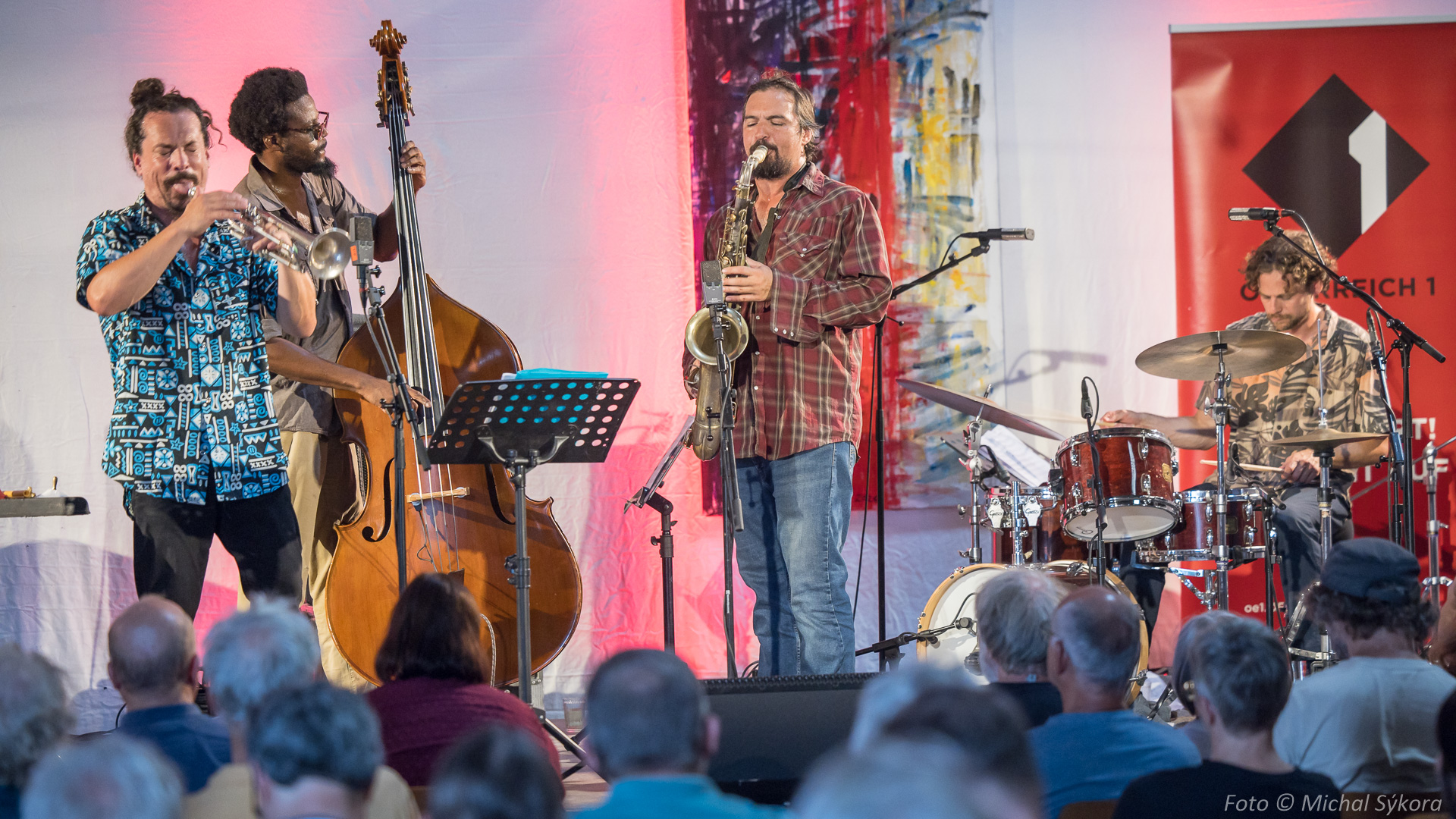
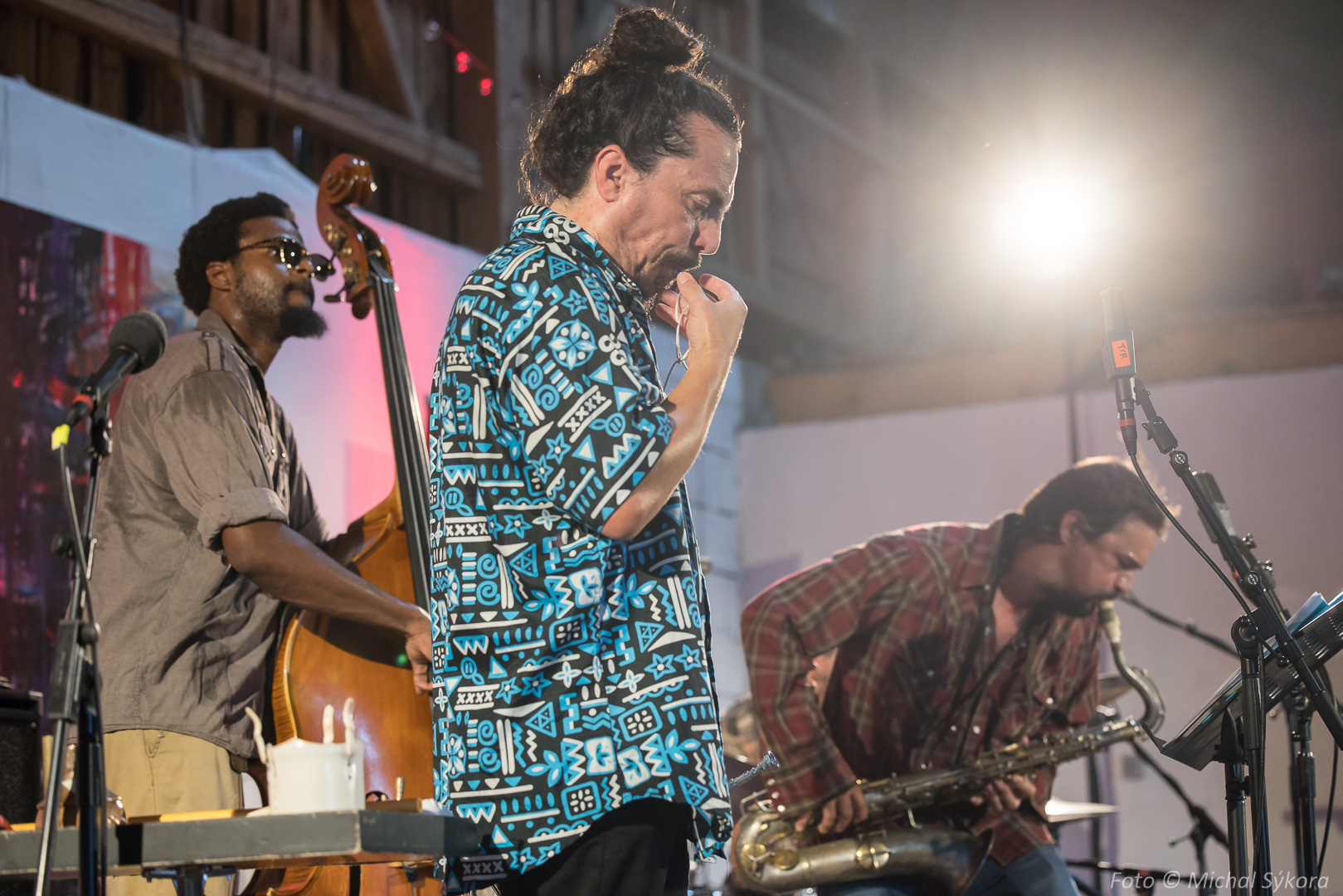
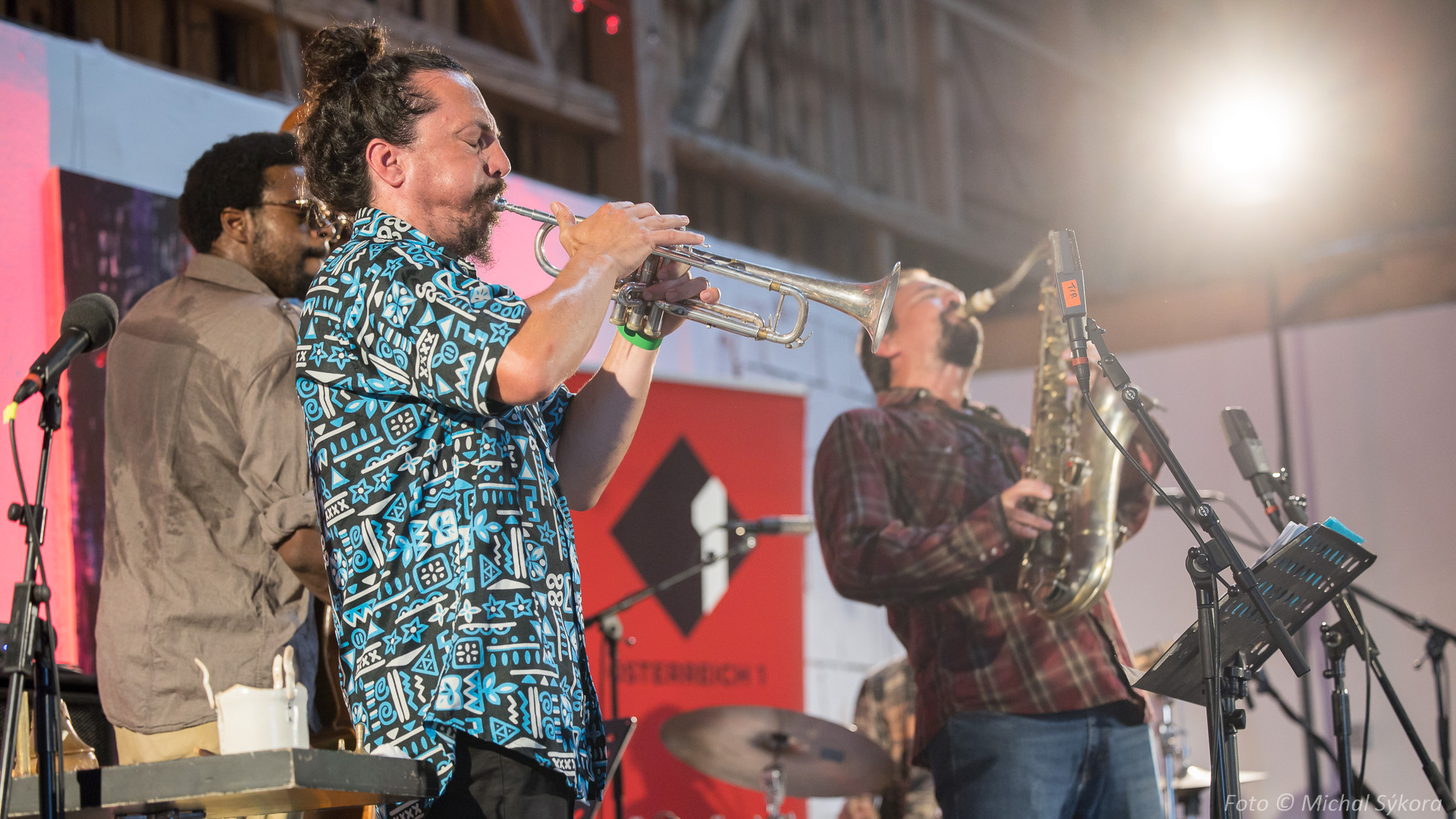
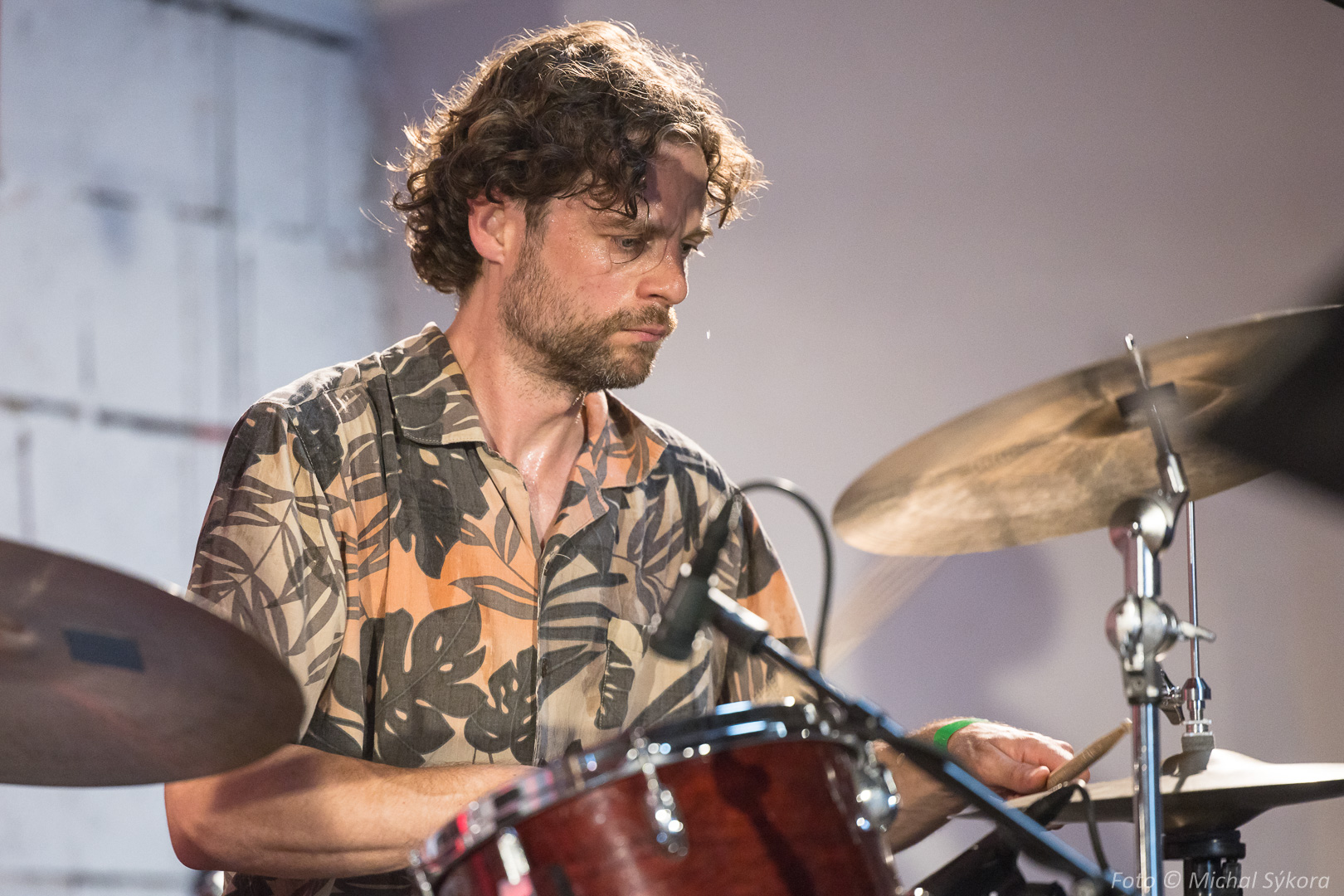
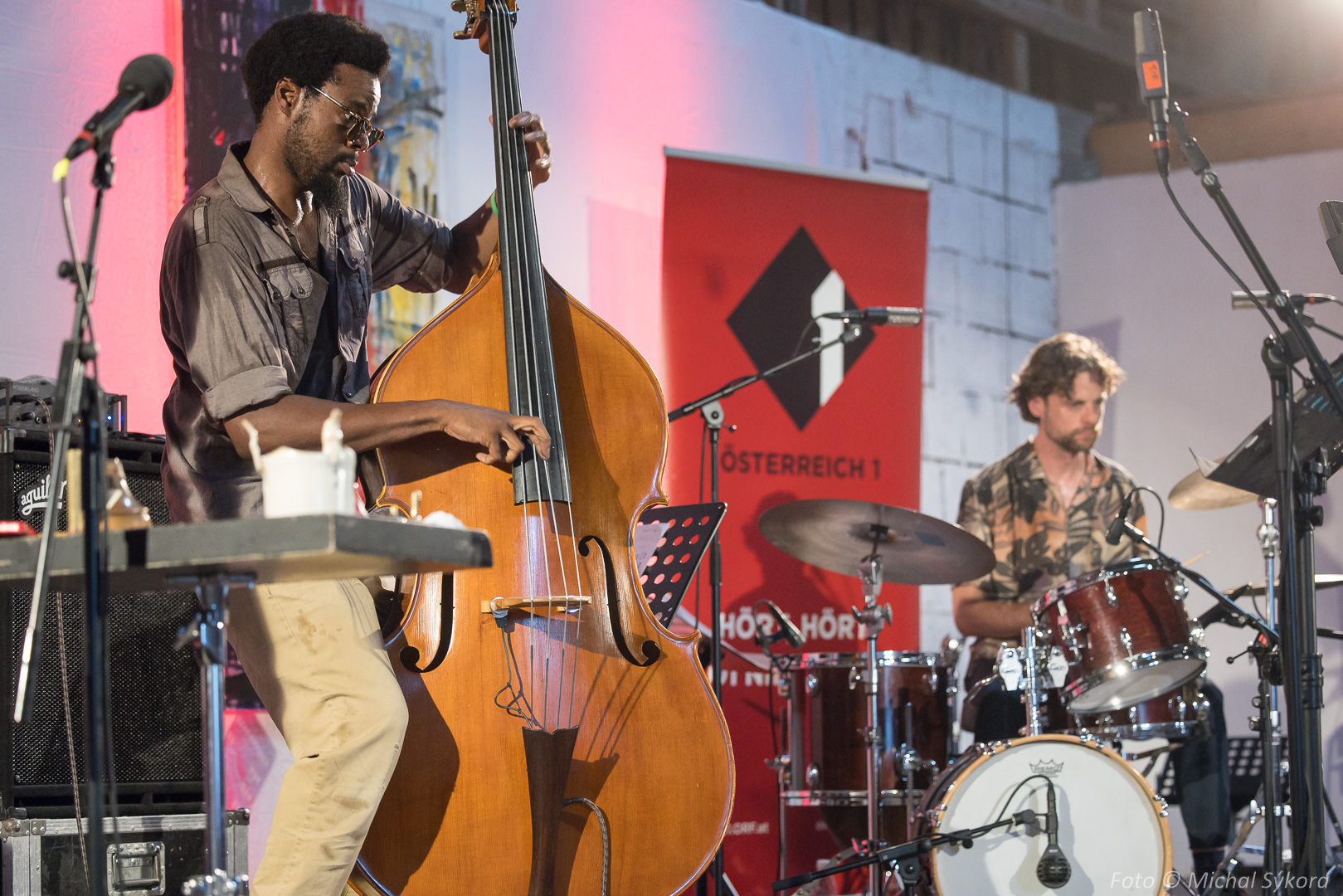
It was almost amusing to watch as nearly half the audience in the barn gradually cleared out – some were clearly waiting for Dee Alexander’s more accessible blues evening. Those who stayed, however, enjoyed the loud and frenzied set, lasting well over an hour, to the full – and perhaps even beyond. The musicians were so fired up that they went well over their allotted time, something Paul himself tried in vain to point out to them. In the end, however, he gave up – and so did I, actually – and I went off to give my eardrums a rest, because it really was all a bit too much. A pleasant side-effect of the thinned-out crowd in the barn, though, was that you could finally breathe a little there.
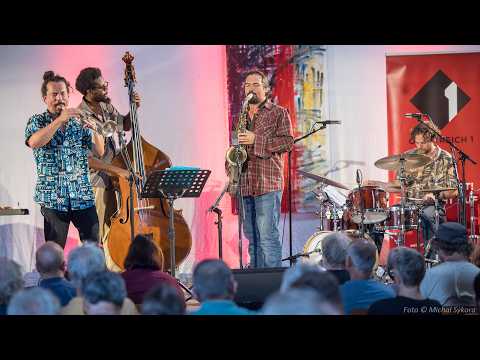
Dee Alexander „Dee gets Blue“
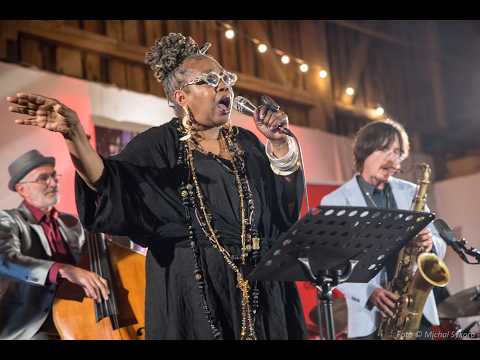
Chicago-based vocalist Dee Alexander brought tradition, the blues and emotional authenticity to the stage in a more classic jazz style. She was backed by a superb band comprising pianist Miguel de la Cerna, saxophonist Osian Roberts, double bassist Wolfram Derschmidt and drummer Dušan Novak.
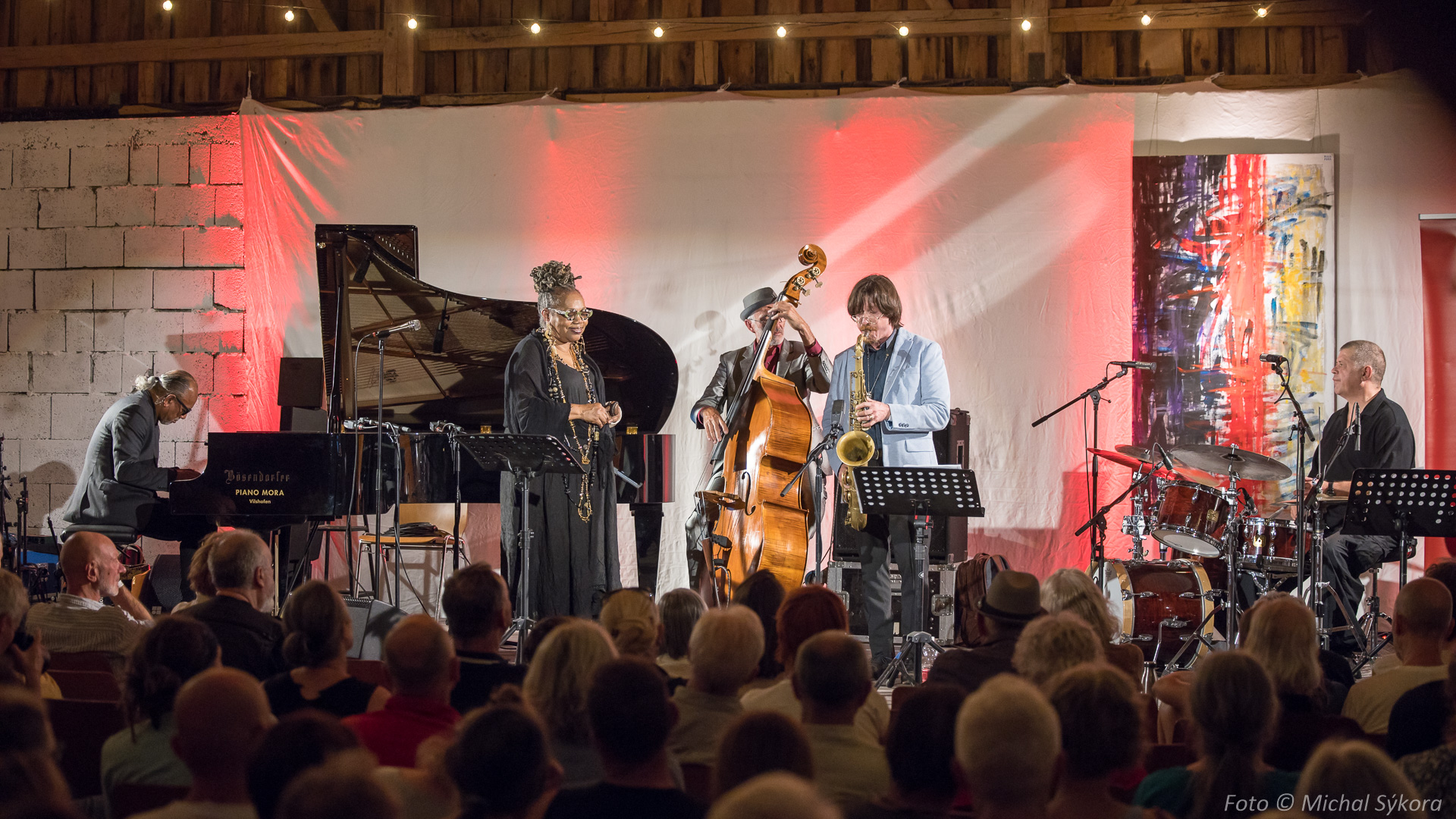
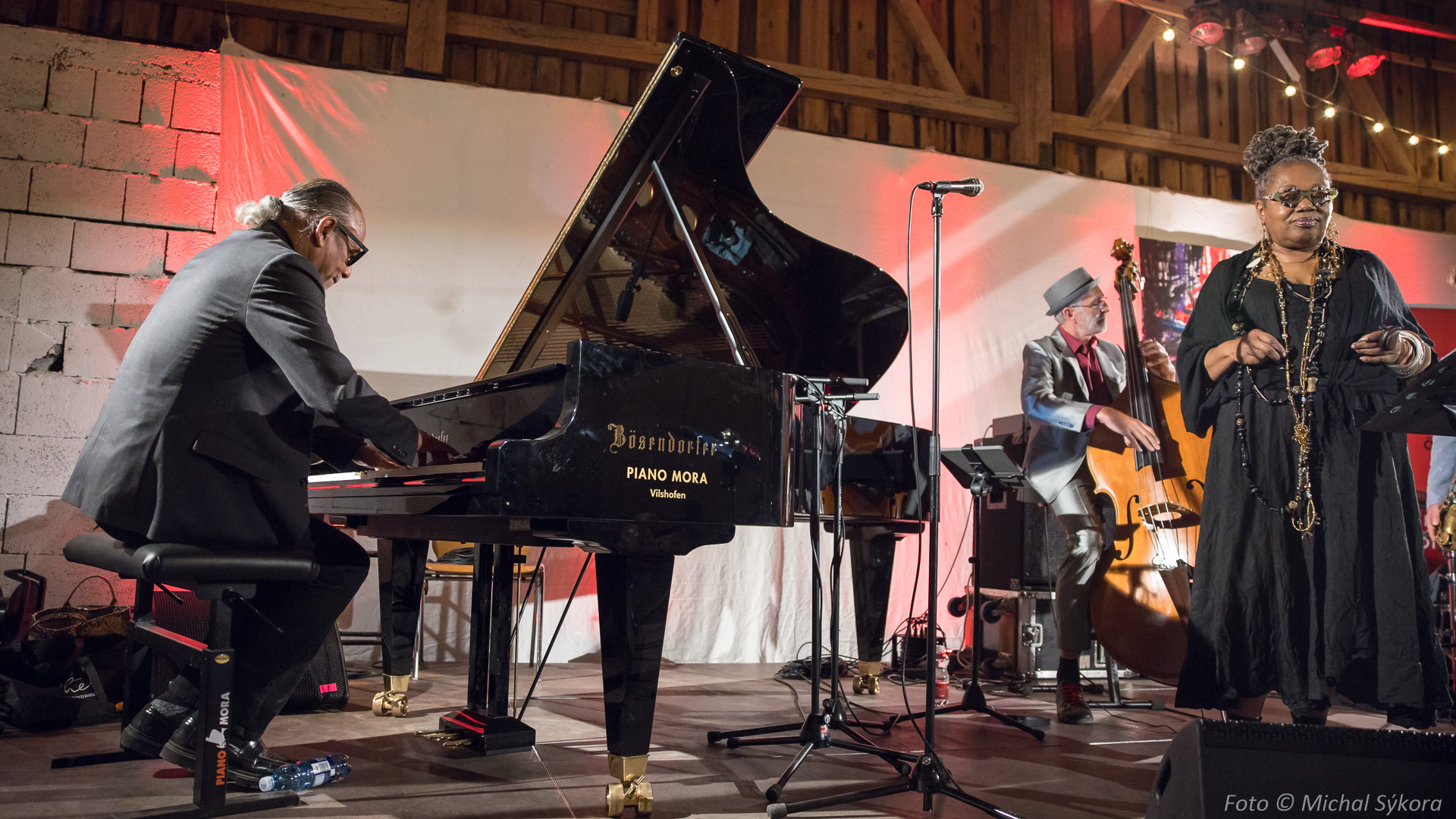
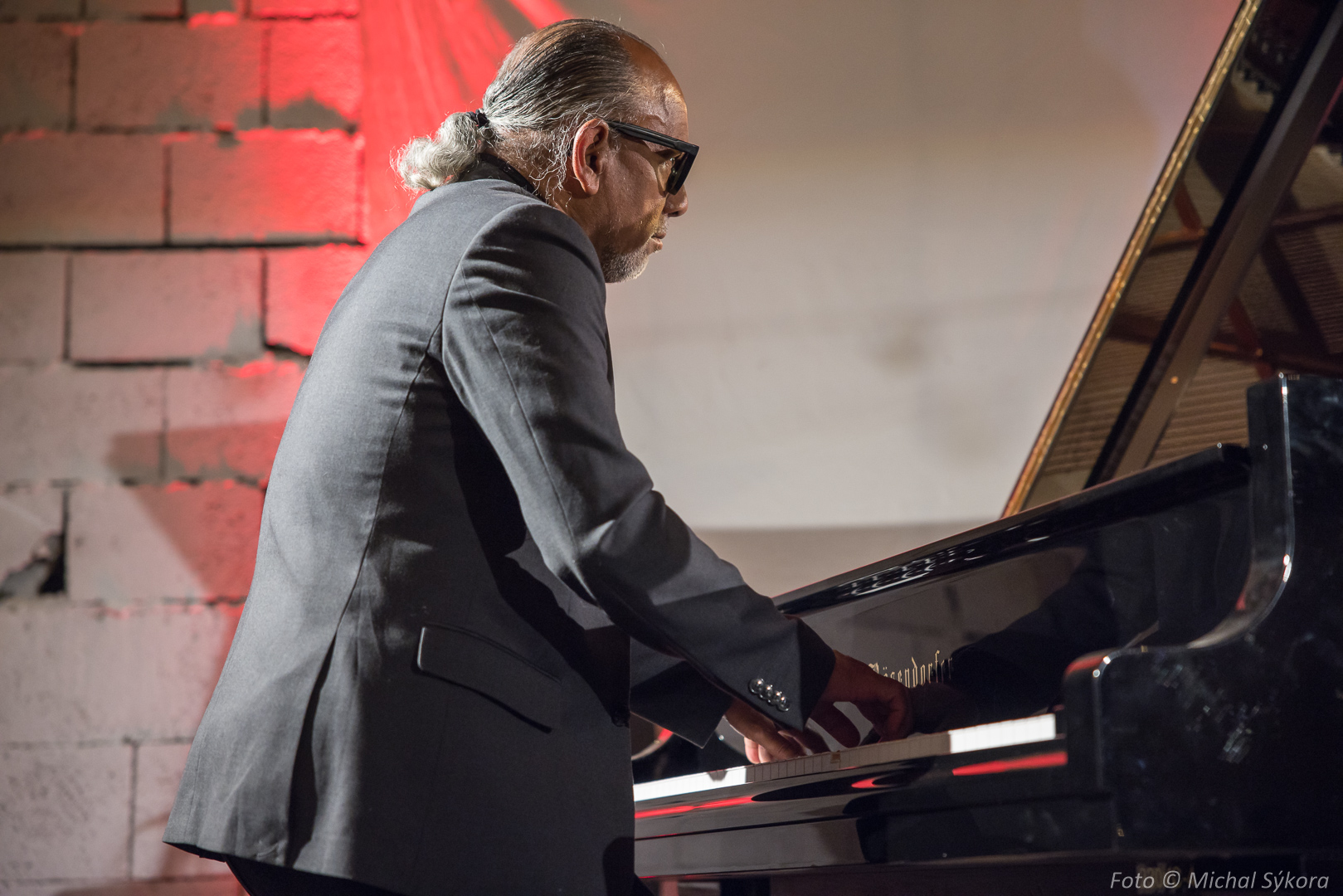
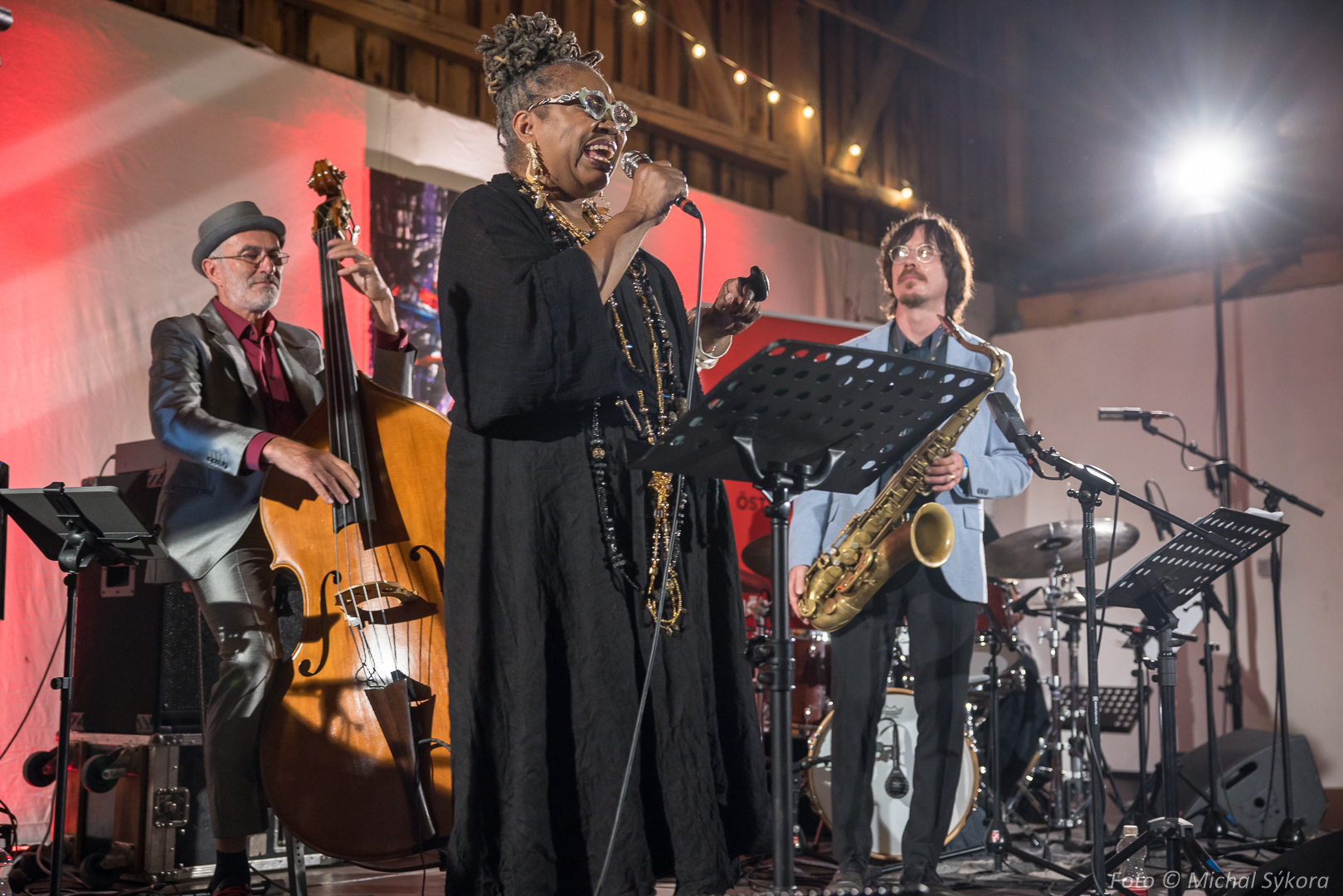
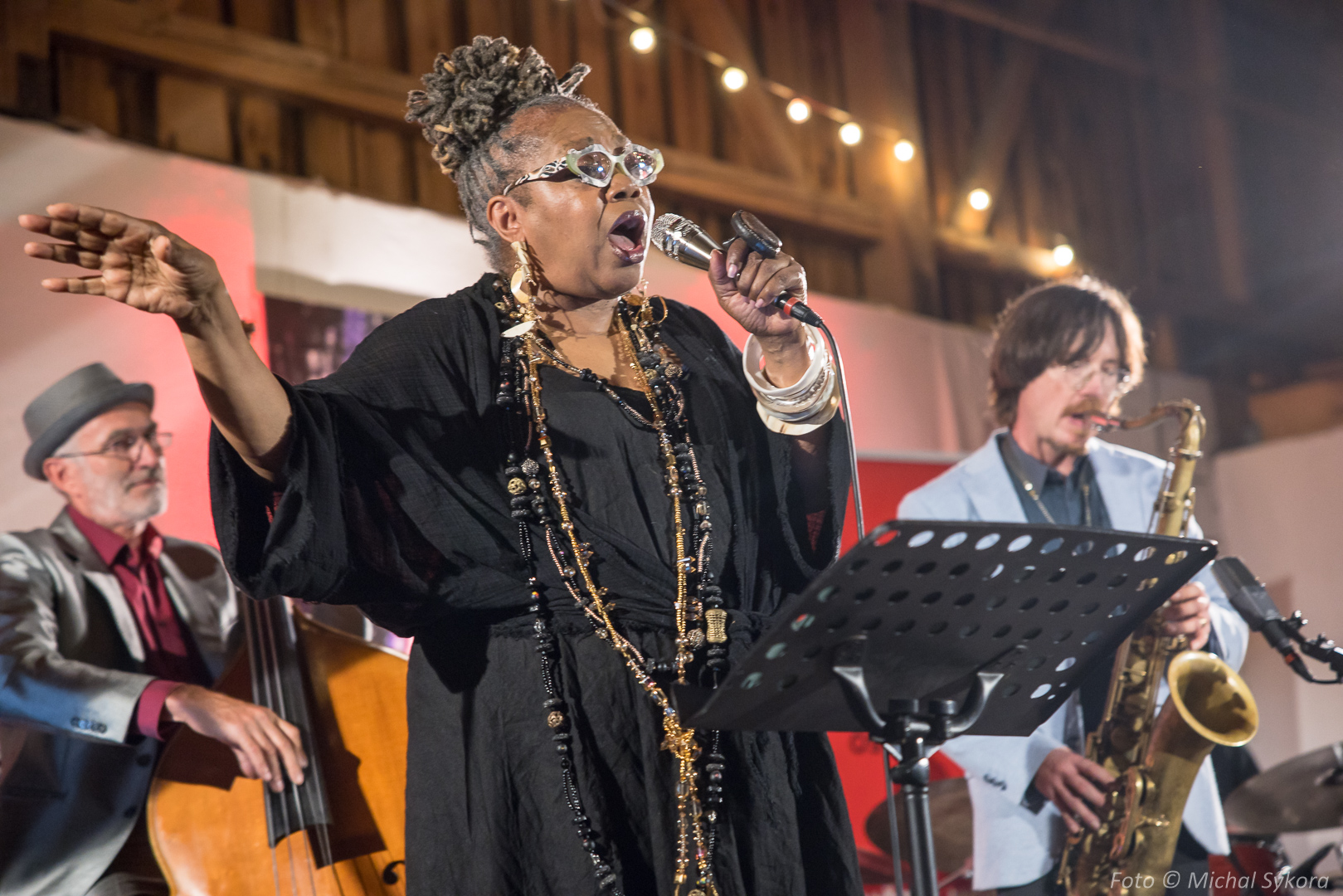
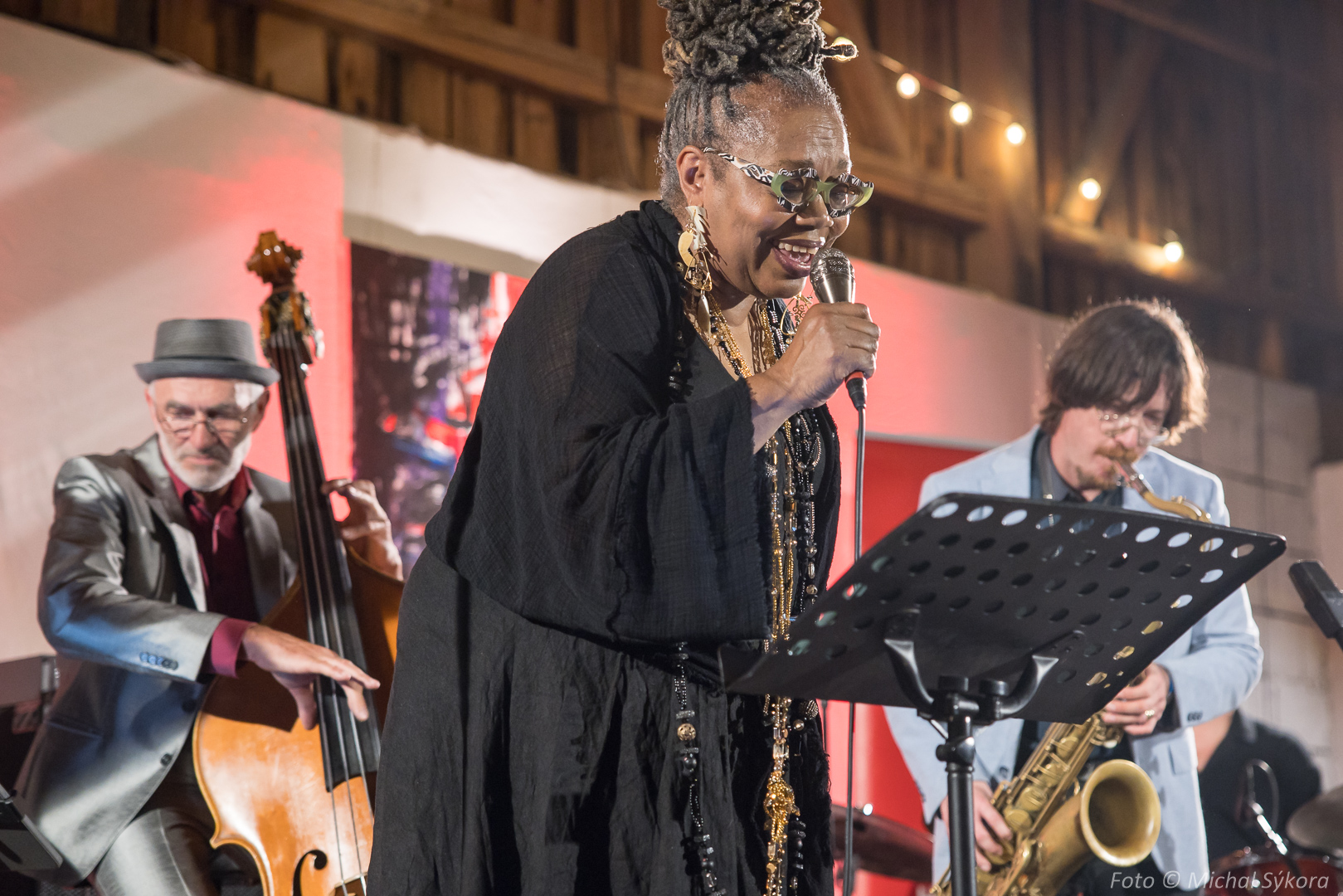
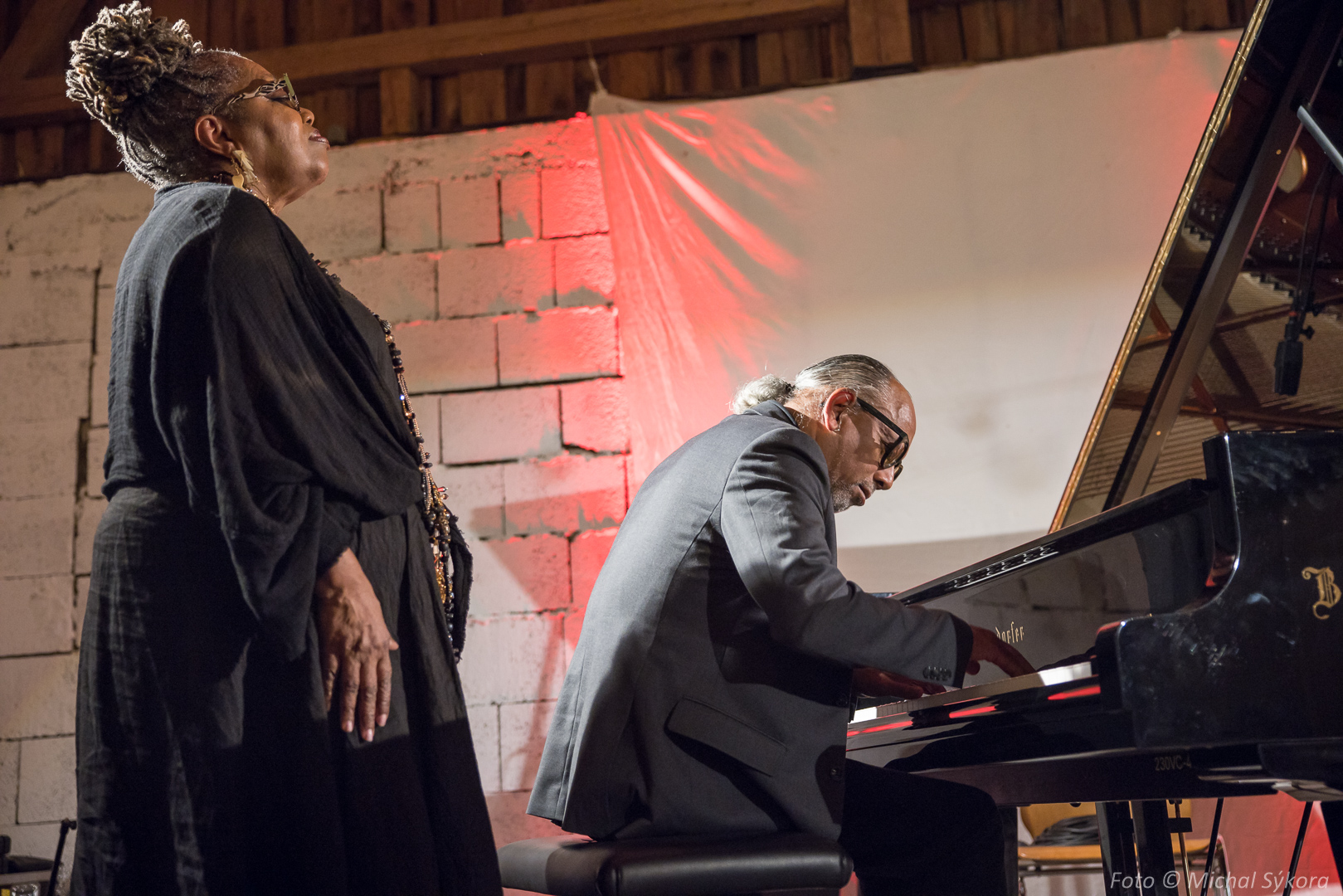
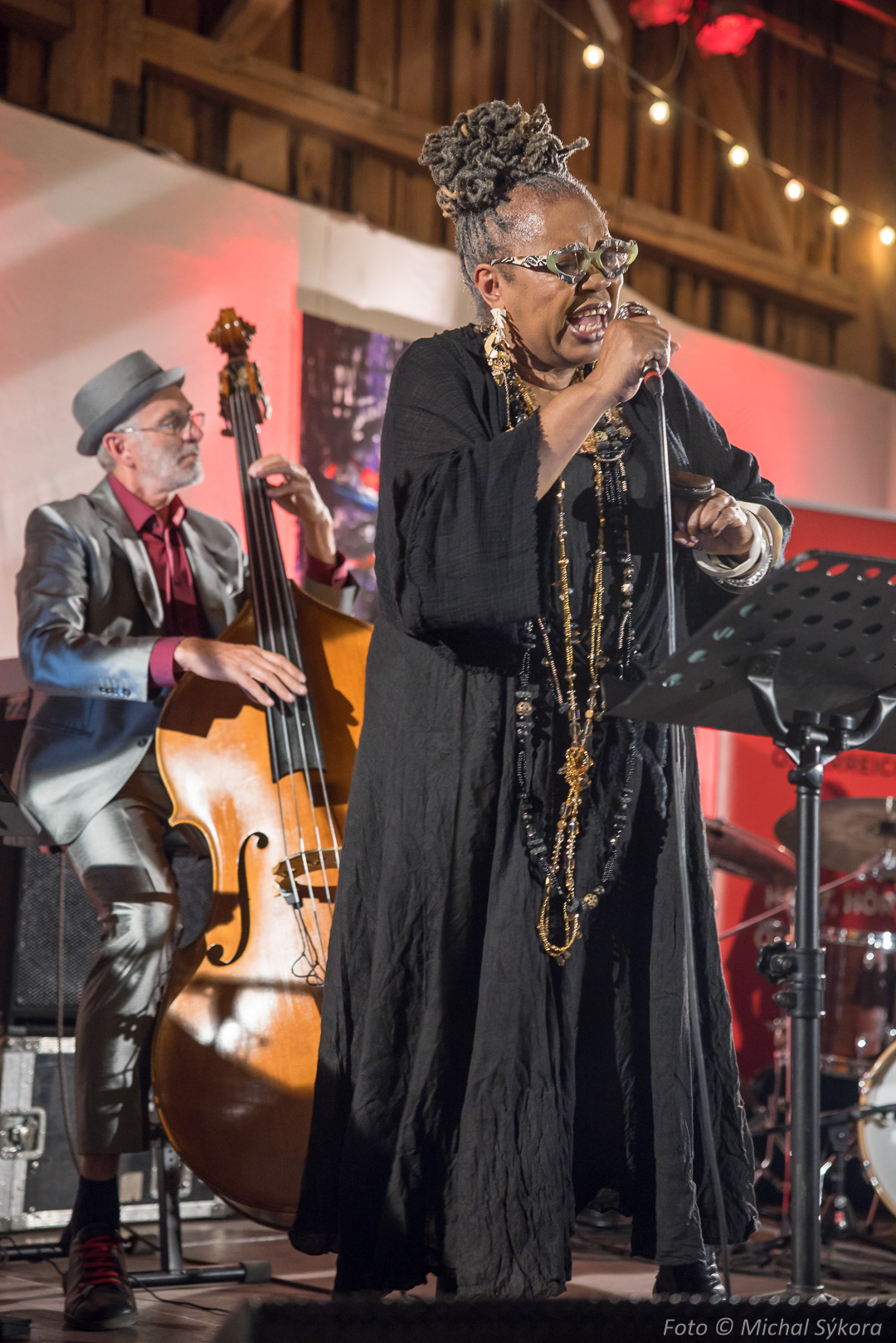
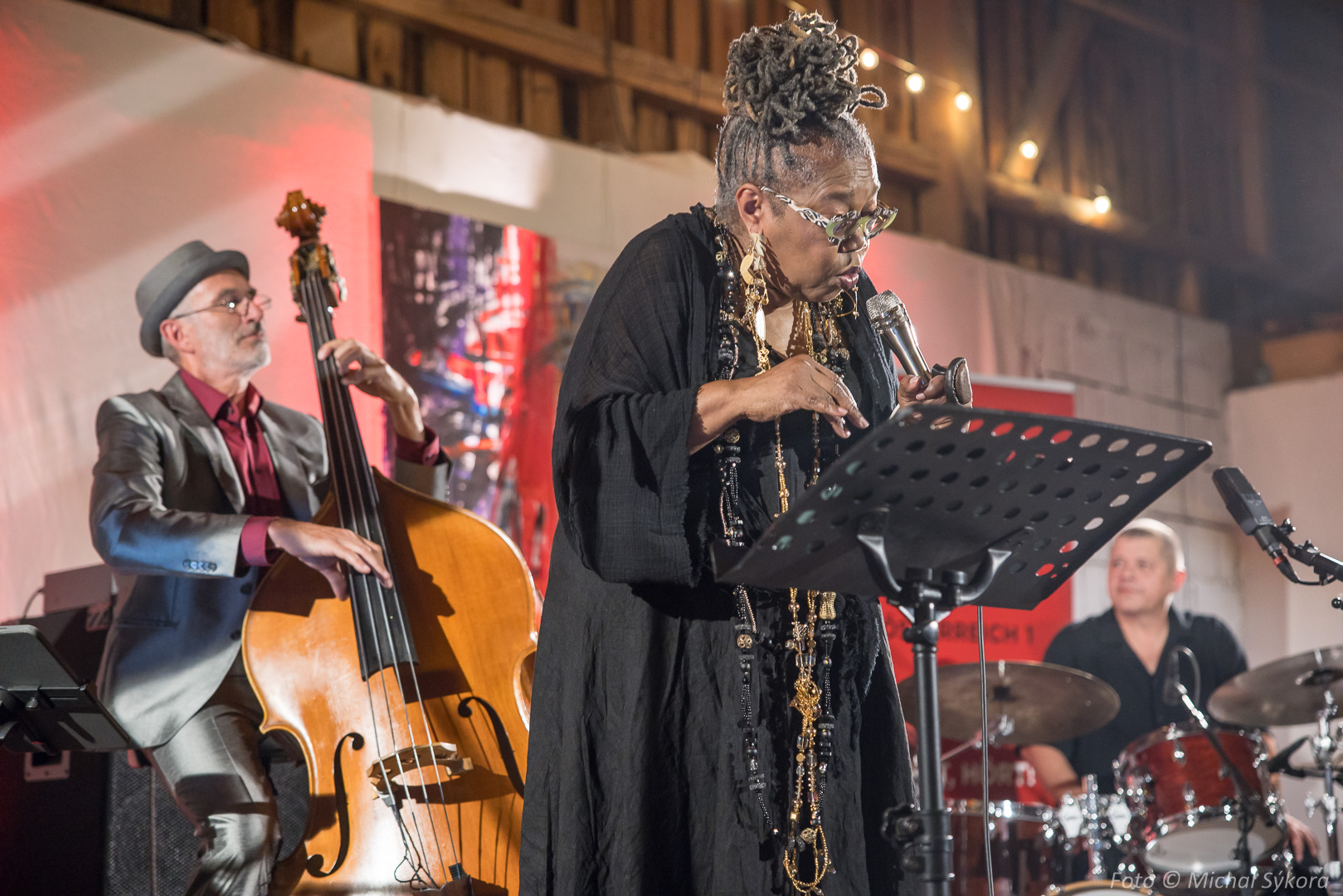
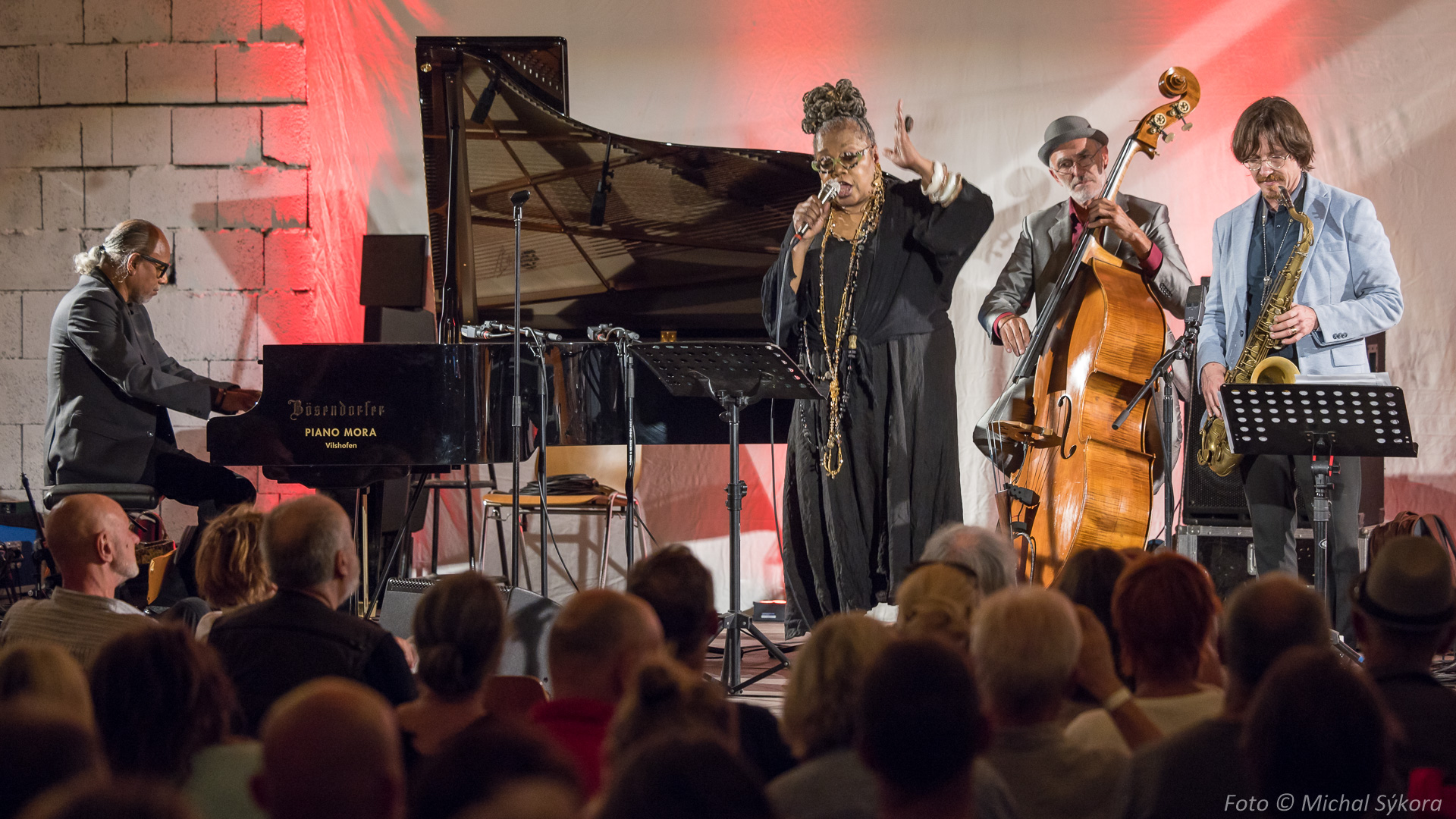
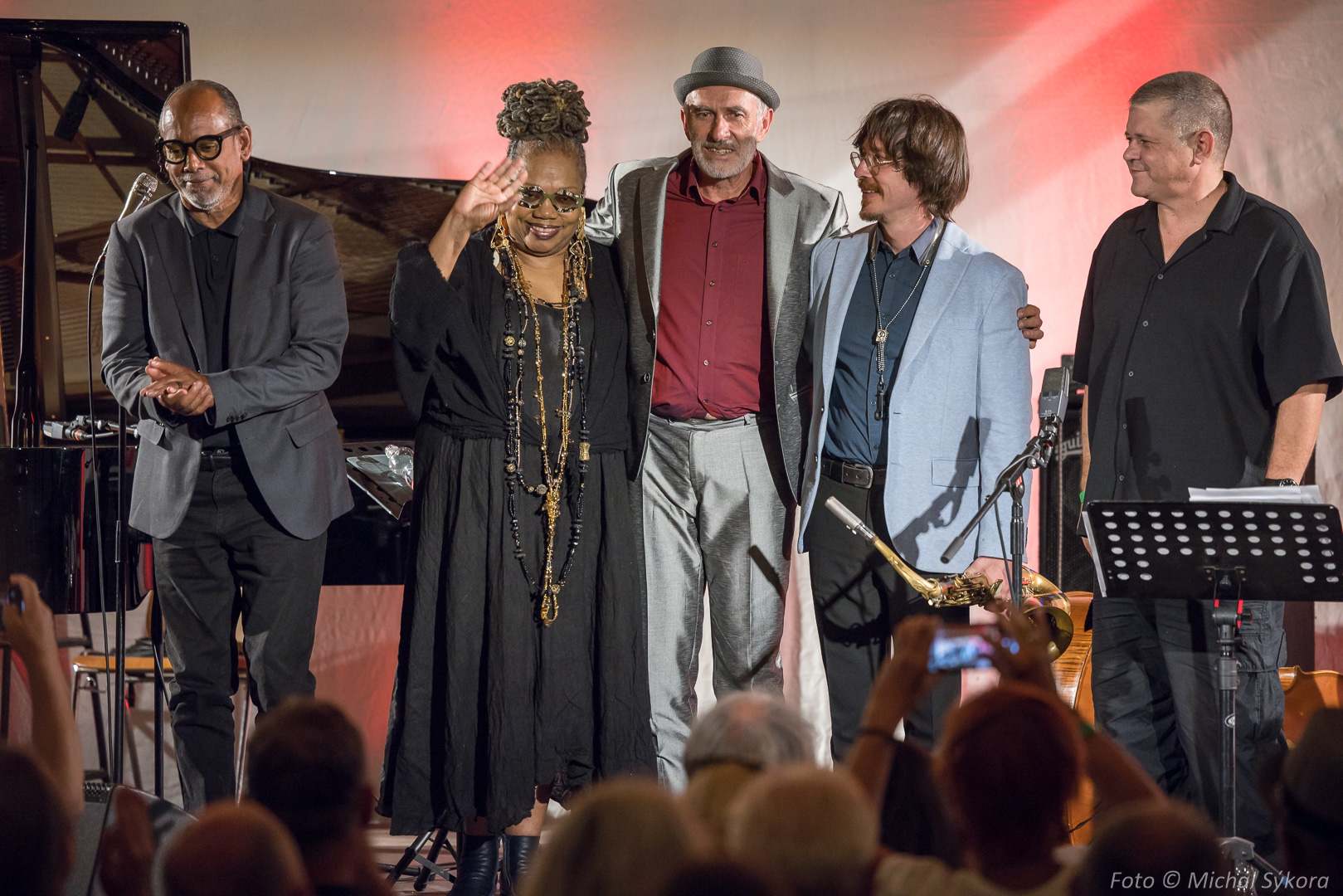
The track Butterfly worked particularly well, with both the singer and the backing band really letting rip. The concert was punctuated by heartfelt reflections on the universal language of music, love, peace and joy. The strong chemistry between Dee and pianist Miguel de la Cerna, whom she described as her best friend, was also evident. A fine classic.
Fabrizio Bosso Quartet
The midnight finale of the day belonged to Italian trumpeter Fabrizio Bosso and his long-standing quartet, featuring pianist Julian Oliver Mazzariello, double bassist Jacopo Ferrazza and drummer Nicola Angelucci. The band performed tracks from their latest album, delivering modern jazz brimming with drama, dynamism and a thrilling sense of momentum.
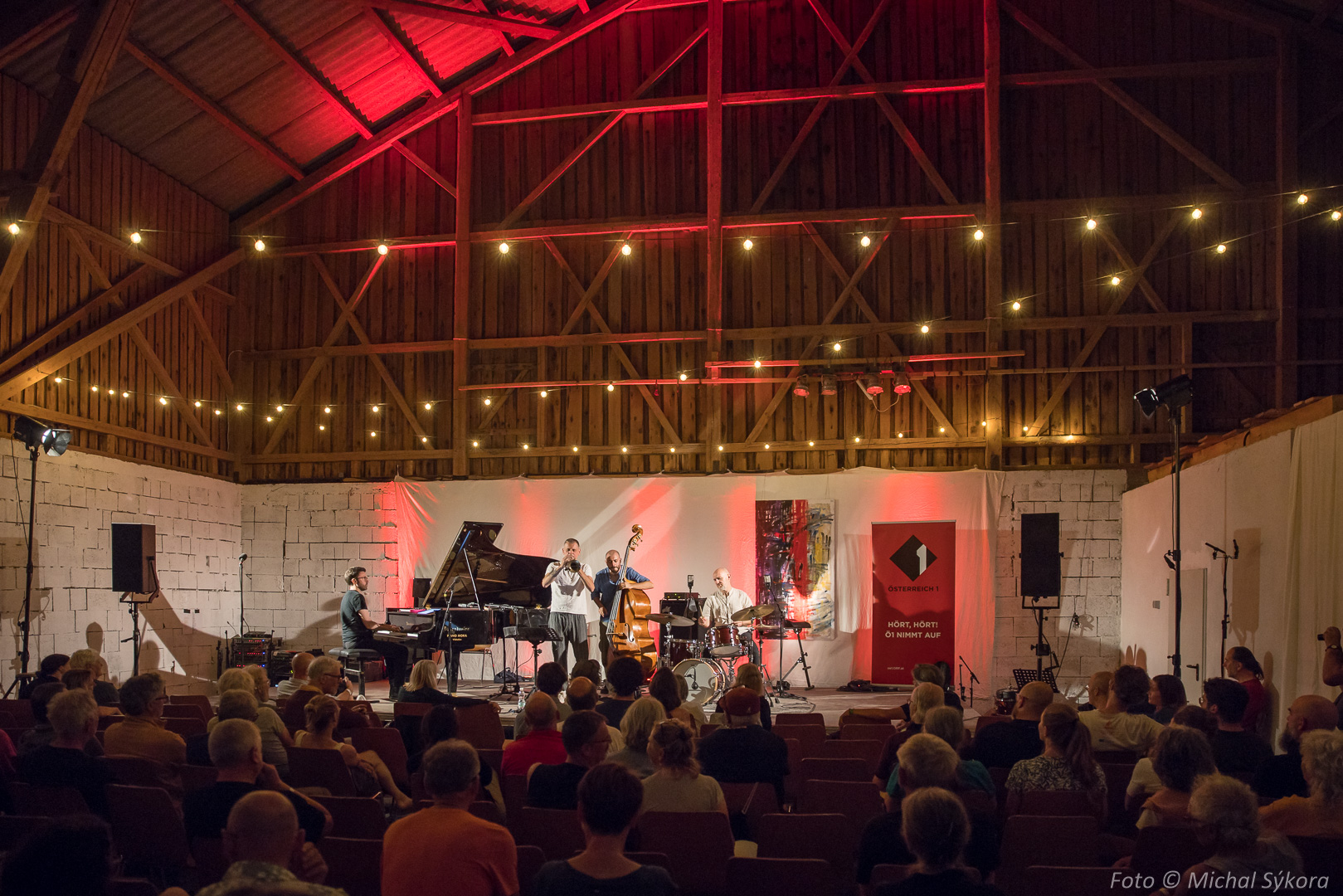
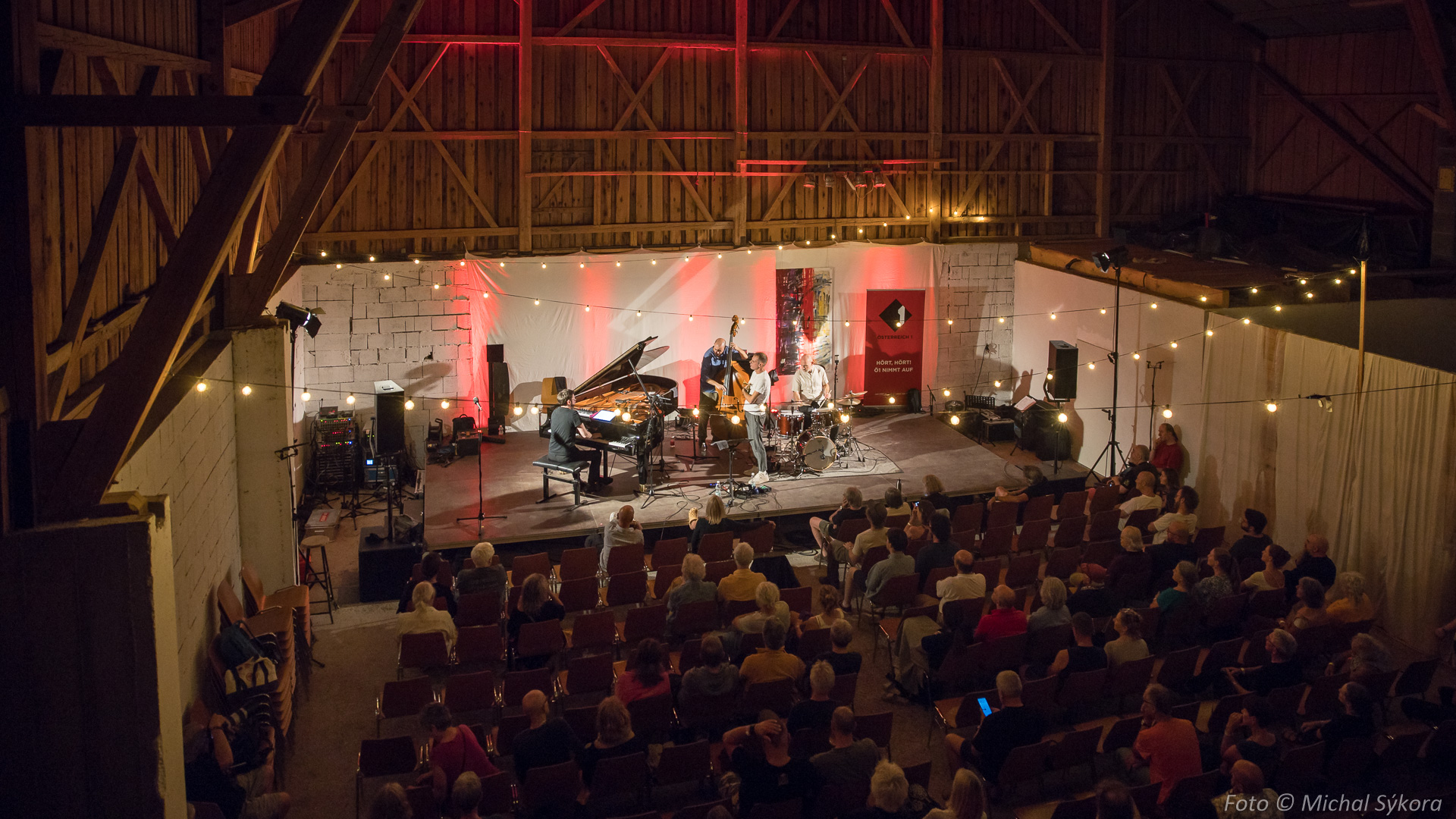
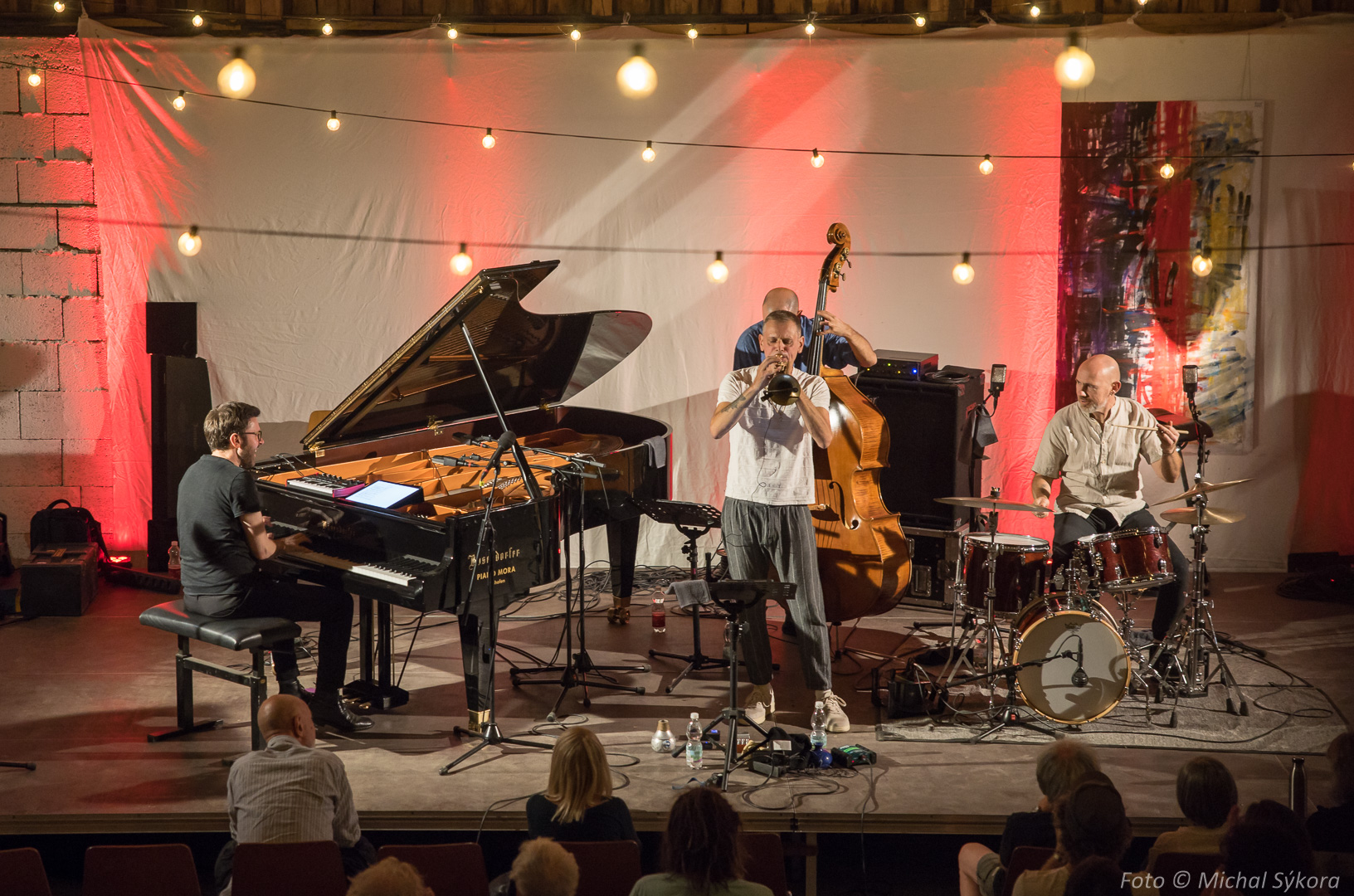
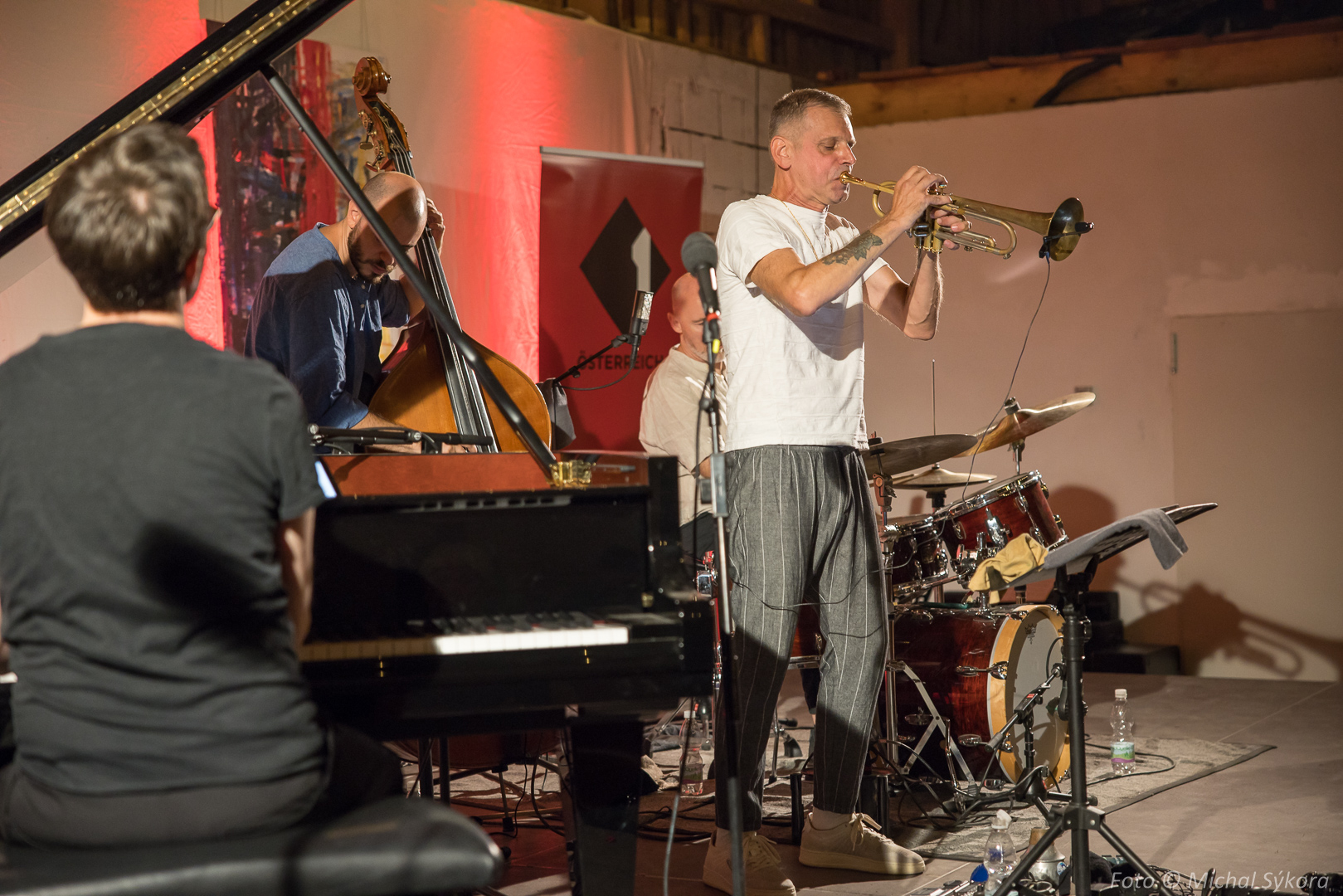
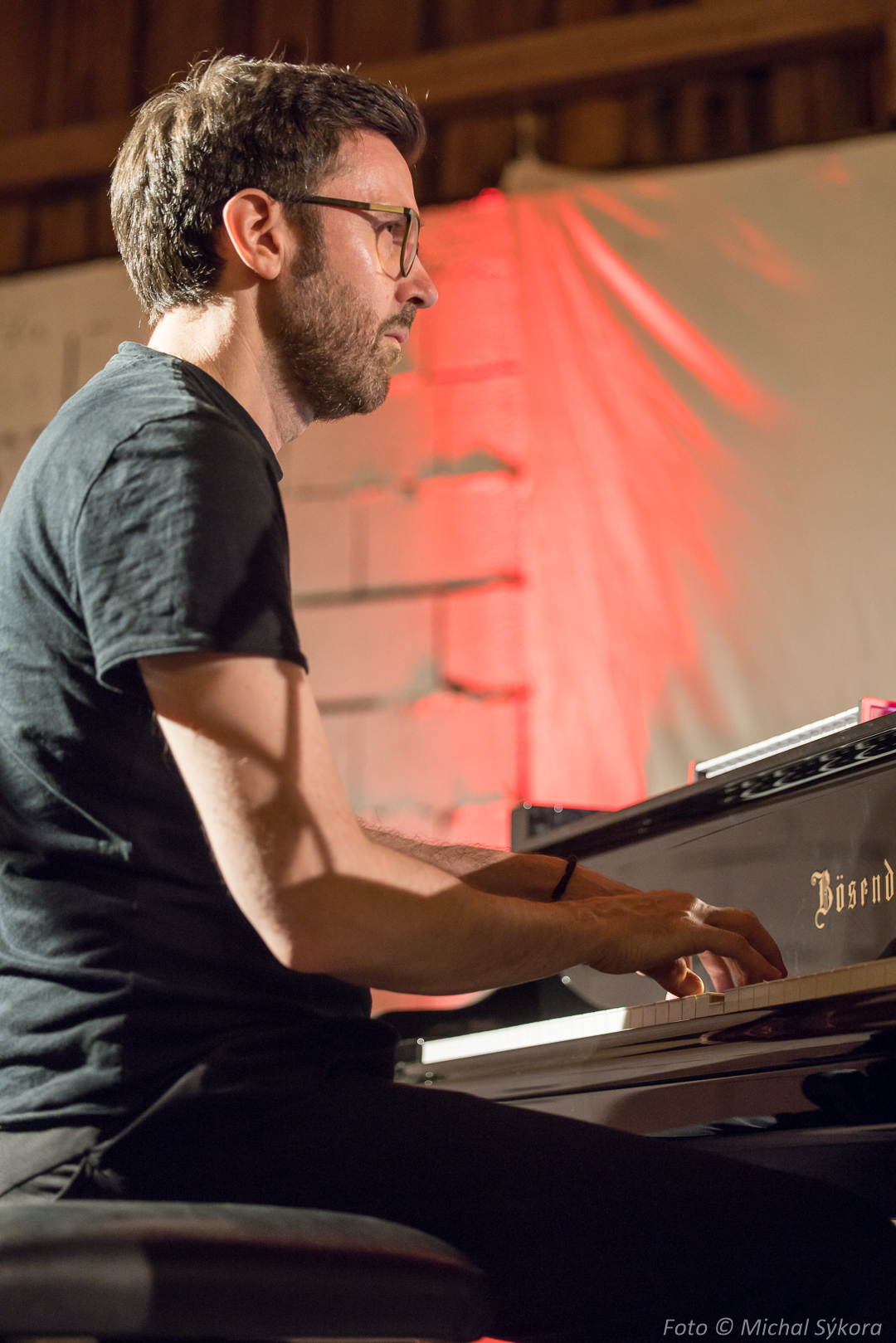
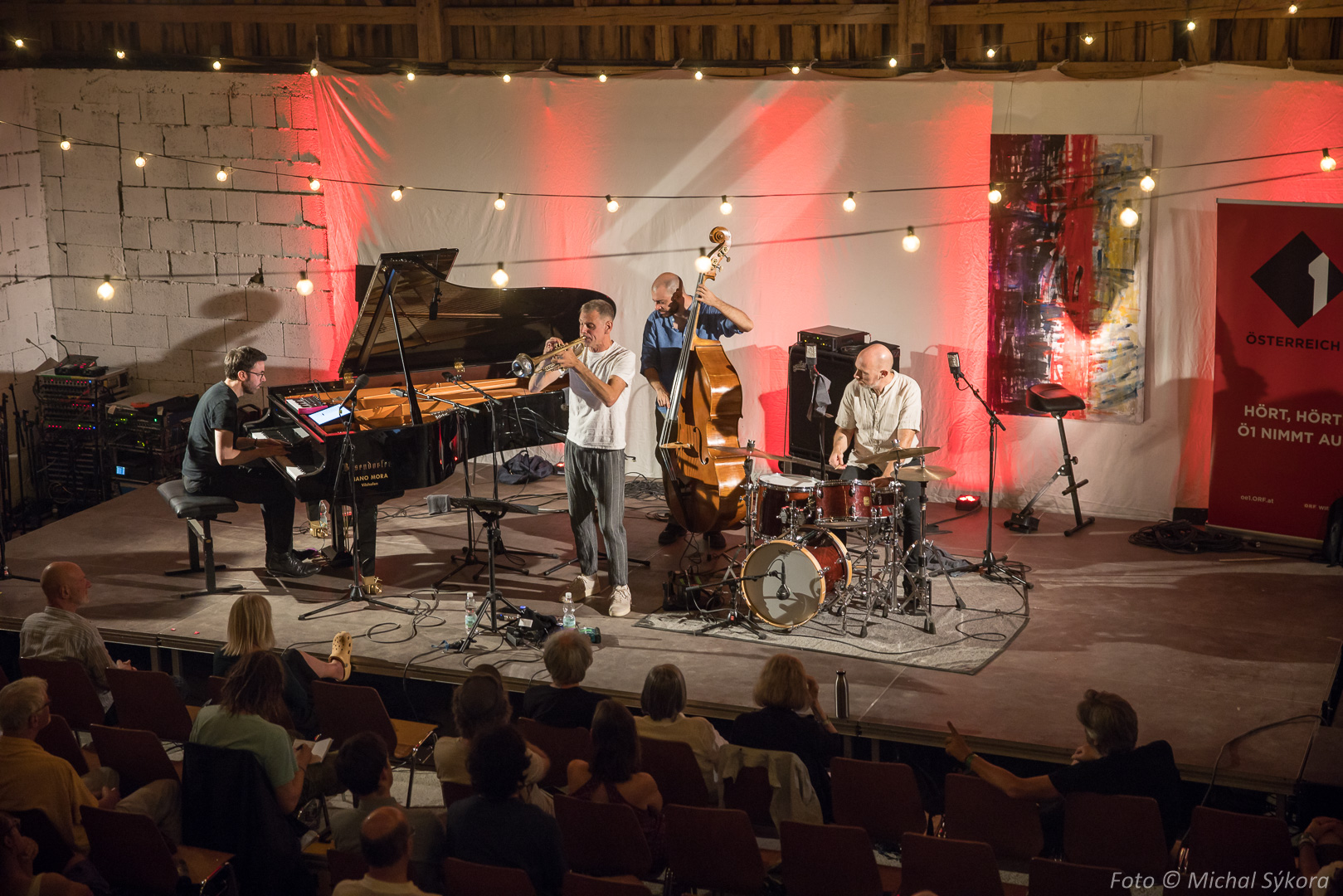
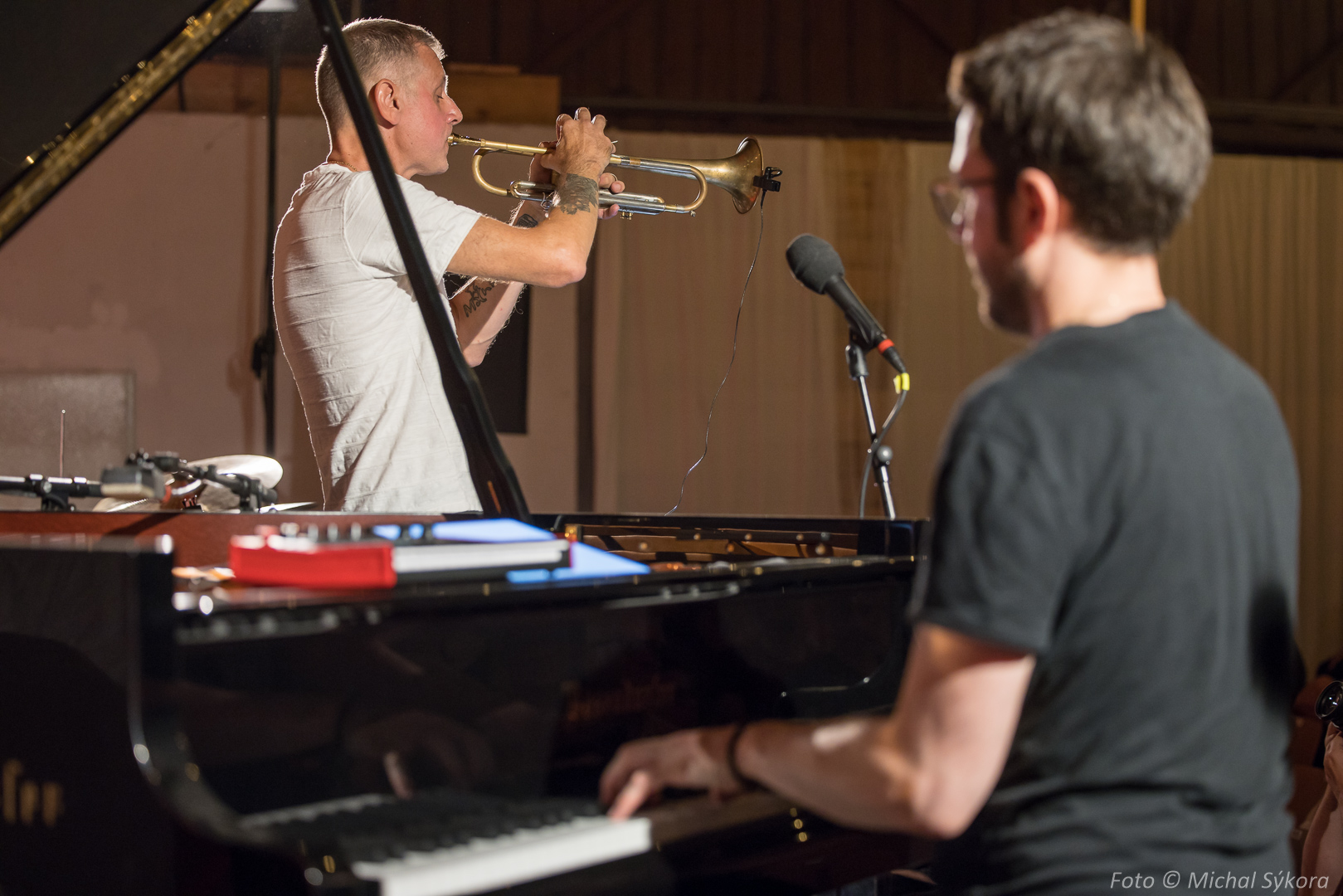
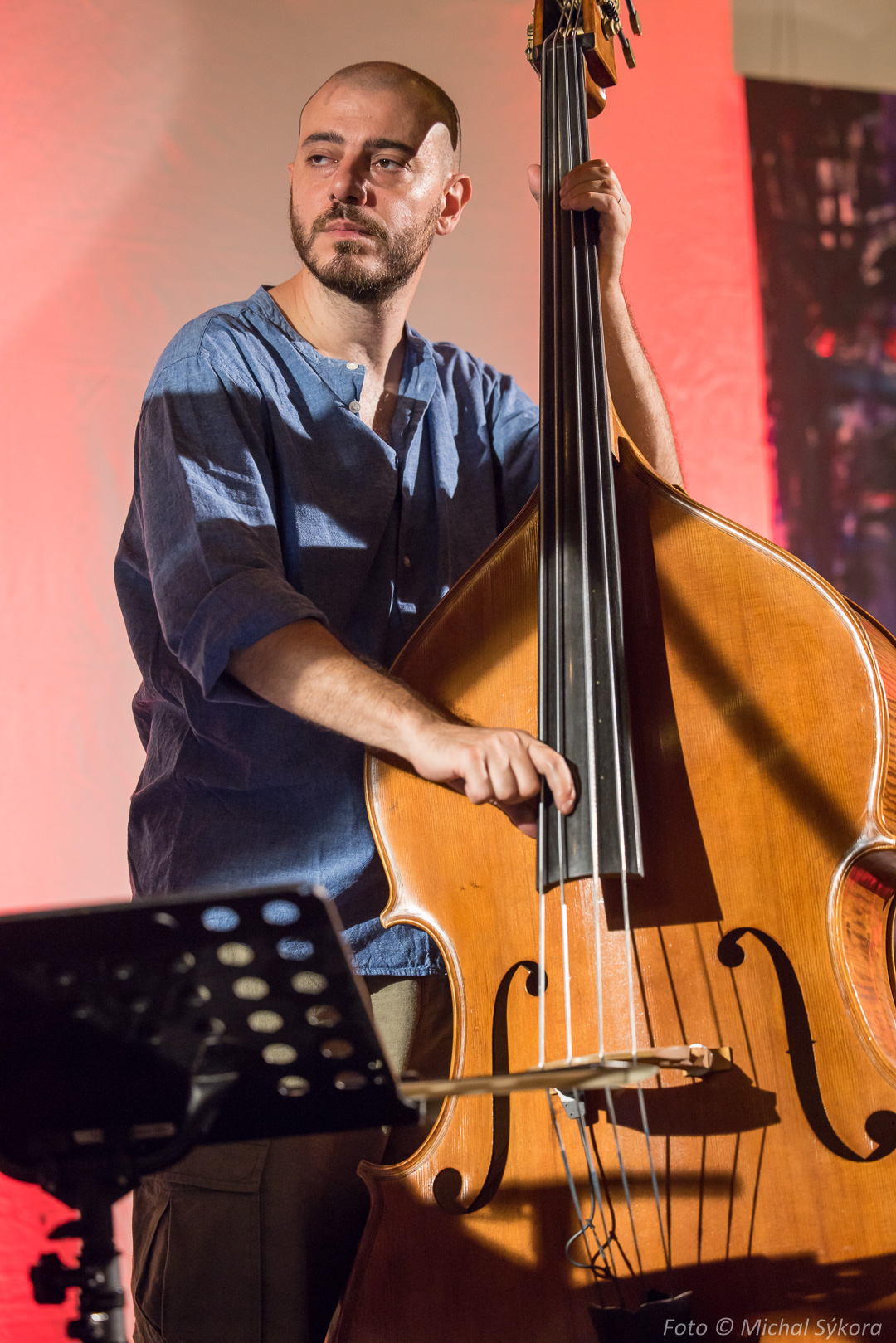
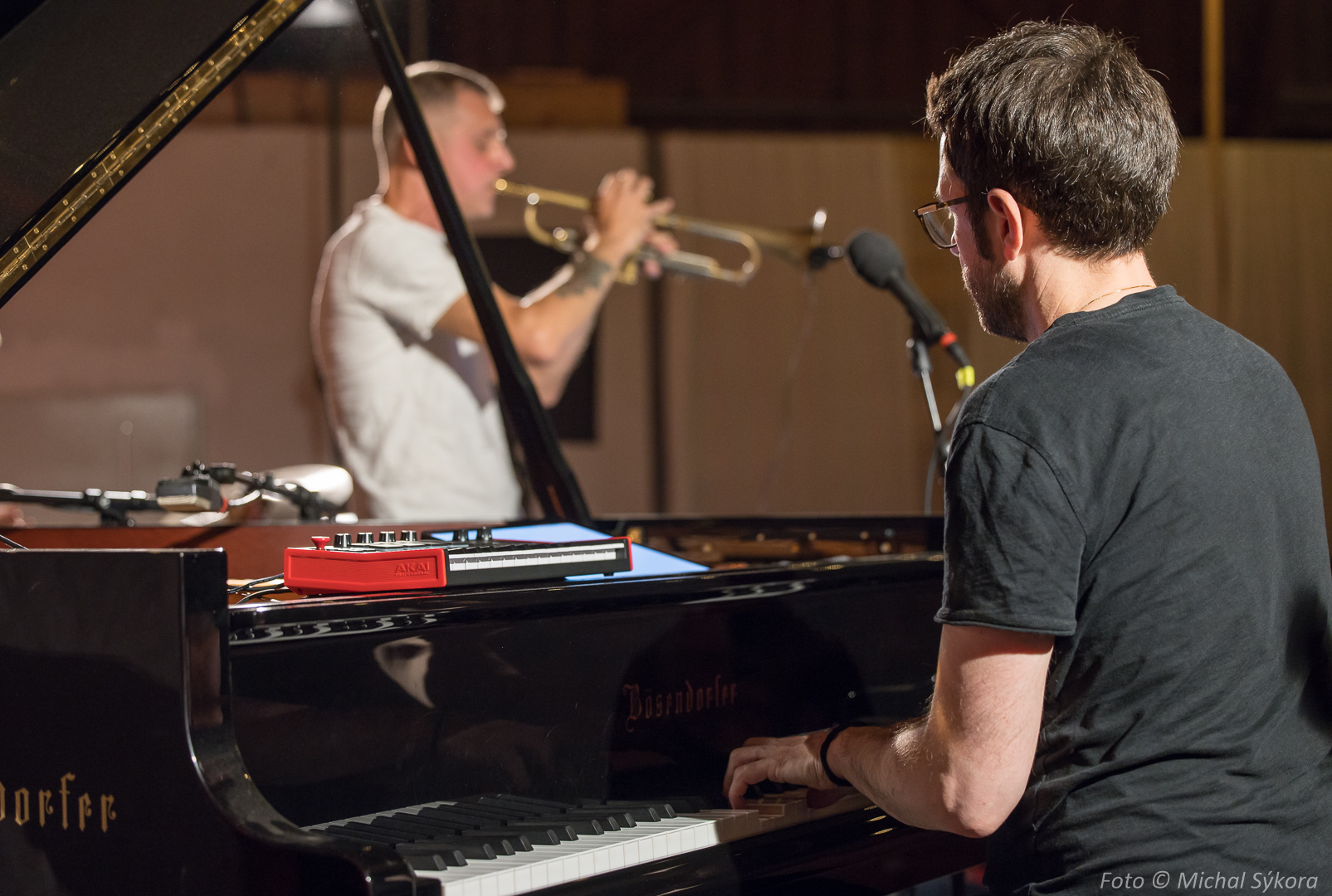
Bosso’s charismatic leadership and elegant playing confirmed that there is still much to discover in the world of jazz. The only drawback of the concert was the late hour – well past midnight – by which time the audience (myself included) was beginning to show signs of considerable fatigue after a full day’s marathon of events.

All in all, I certainly don’t regret that we went to INNtöne again, even if it was only for a day. Sunday’s programme was definitely worth it, and it was lovely to soak up that special atmosphere once more, where the farmstead in the middle of the fields and meadows literally breathes music!


Štítky