



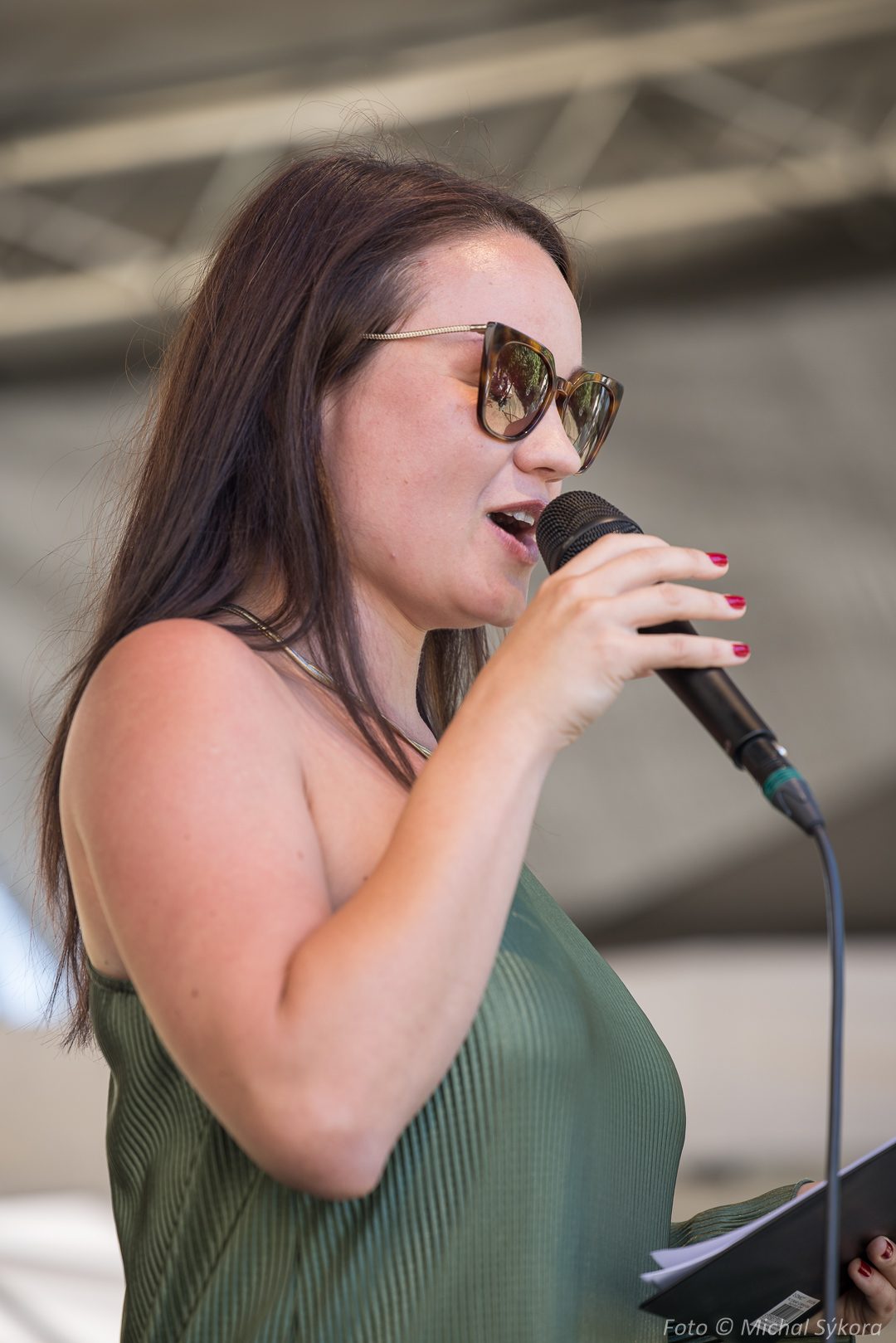
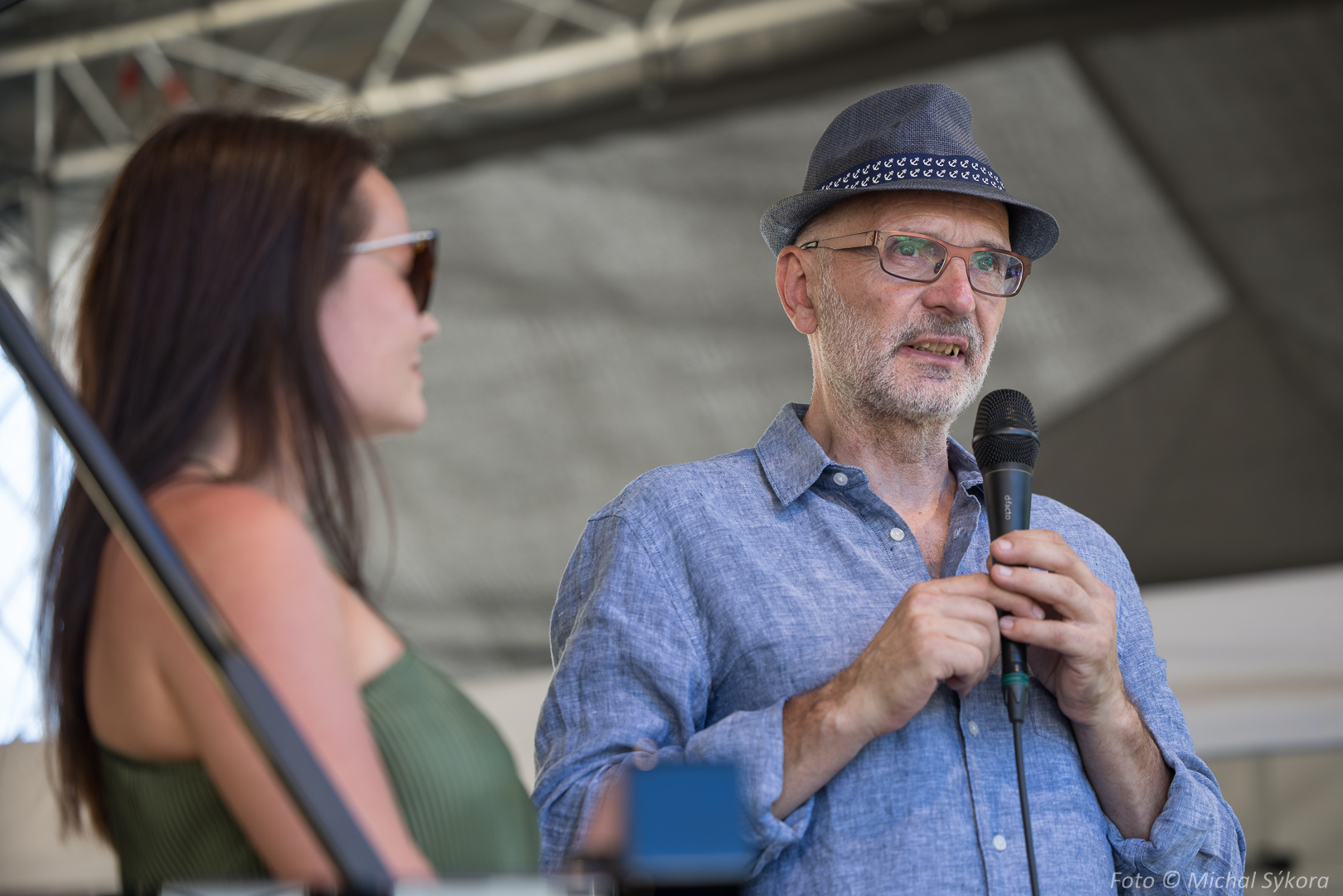
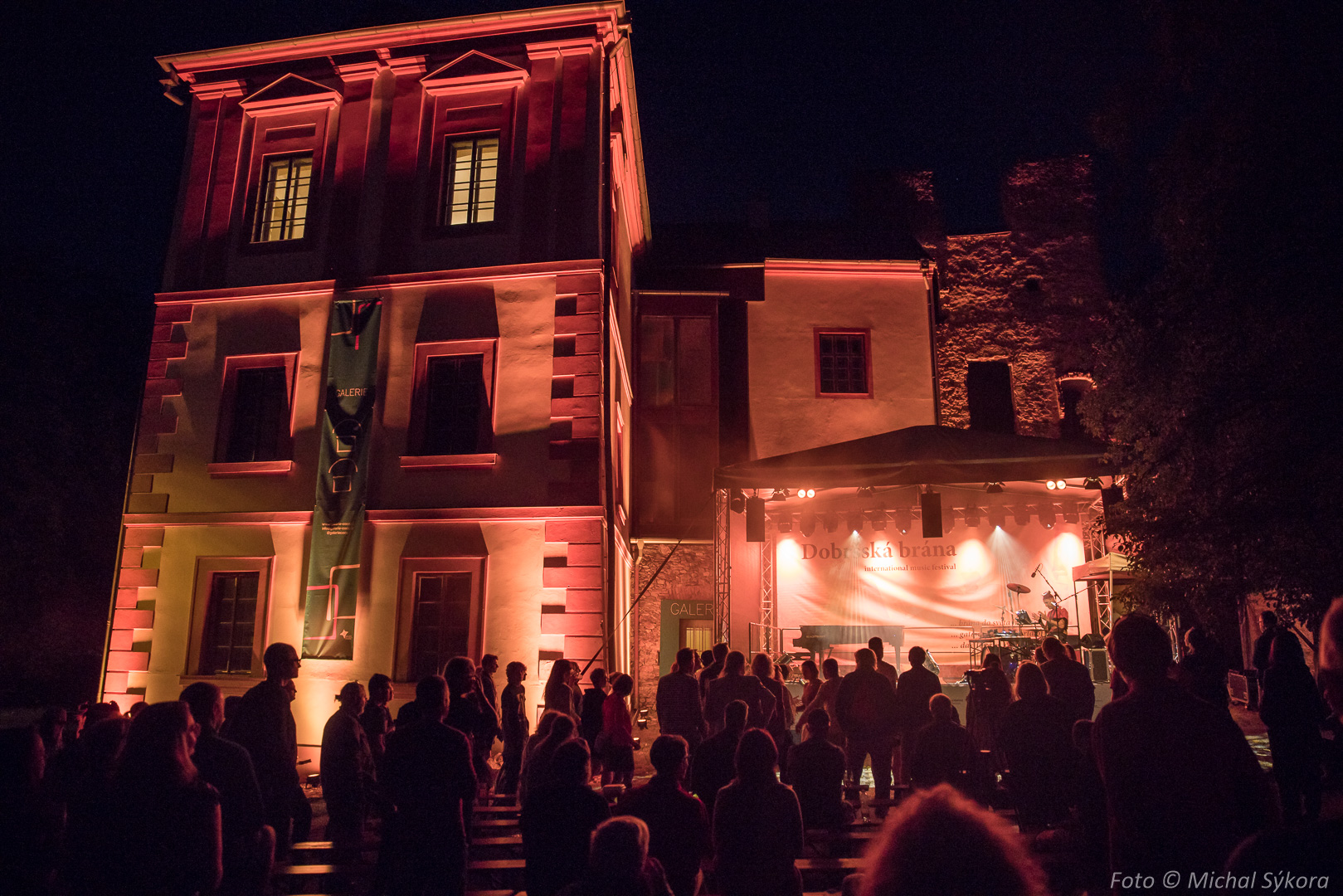
The programme for the tenth edition of the Dobršská brána Festival, carefully curated from musicians who had performed at the previous nine editions, promised a host of new musical experiences thanks to the unique line-ups of performers. The festival was opened on the castle stage by presenter Marta Kloučková and festival director Ivo Kraml.
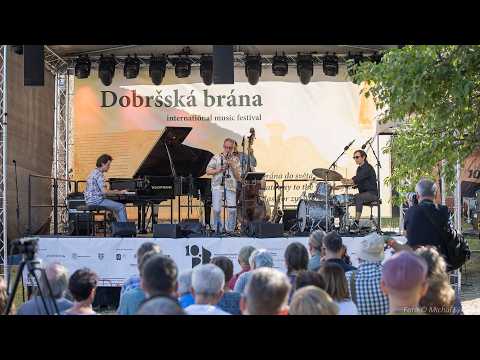
Friday’s musical programme began in the castle courtyard with the Mihály Borbély Quartet. As part of the celebrations for his upcoming 70th birthday, the versatile Hungarian reed player brought a line-up comprising Mihály Borbély (alto saxophone, soprano saxophone, clarinet, bass clarinet, tárogató), Áron Tálas (piano), Balázs Horváth (double bass) and Hunor G. Szabó (drums). The ensemble presented a brilliant fusion of jazz, contemporary music and the folk heritage of the Carpathian Basin. From their latest album, they performed the track Threeplus Dreams, followed by Little Bird in the Lee – inspired by Charlie Parker – and even their own distinctive take on the classic Caravan. In the composition After the Night a New Day Is Starting, Mihály really let rip on the alto saxophone. This song directly expands on his concept of so-called ‘night music’, inspired not only by jazz pioneers but also by Hungarian literature and poetry.
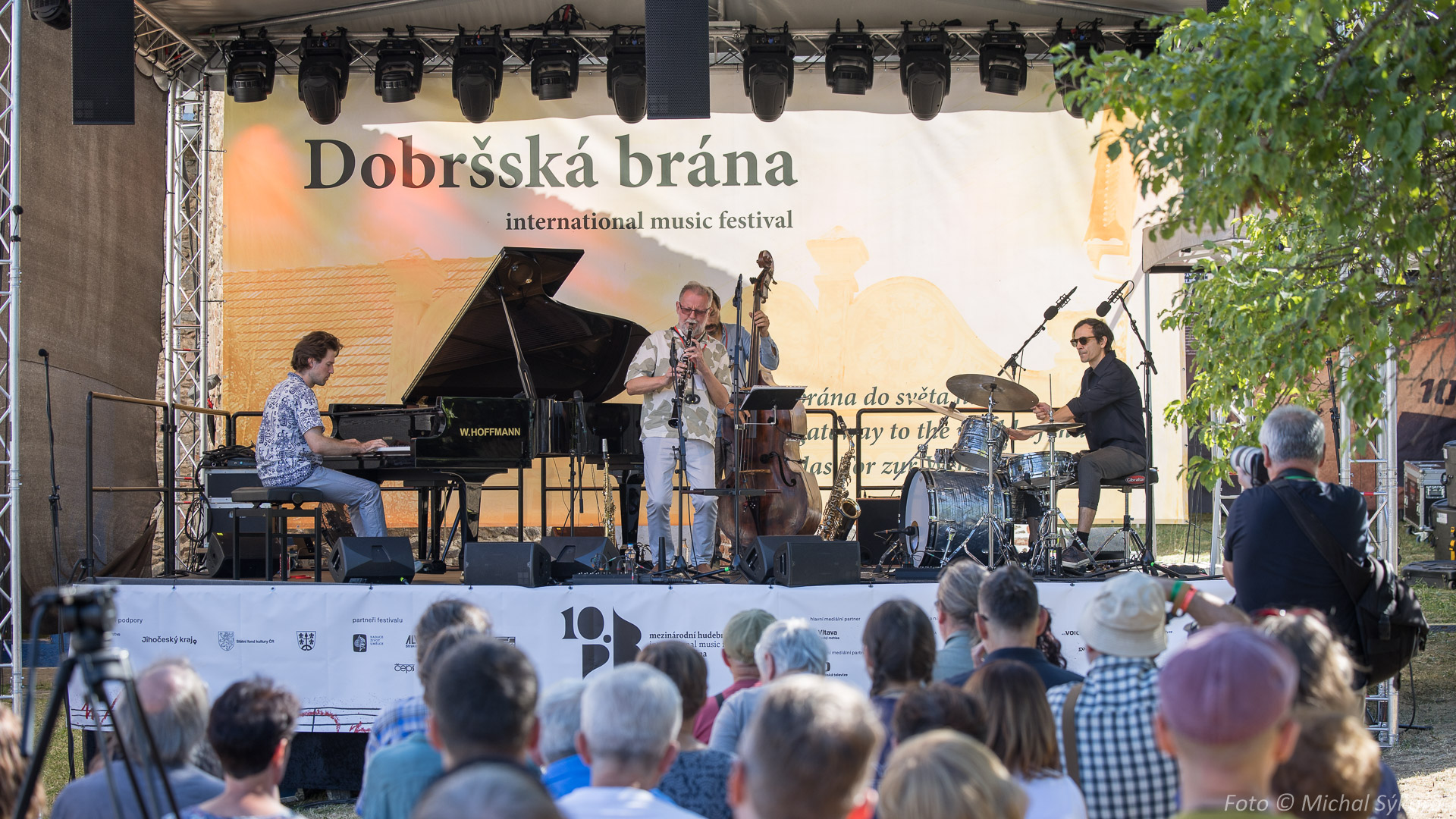
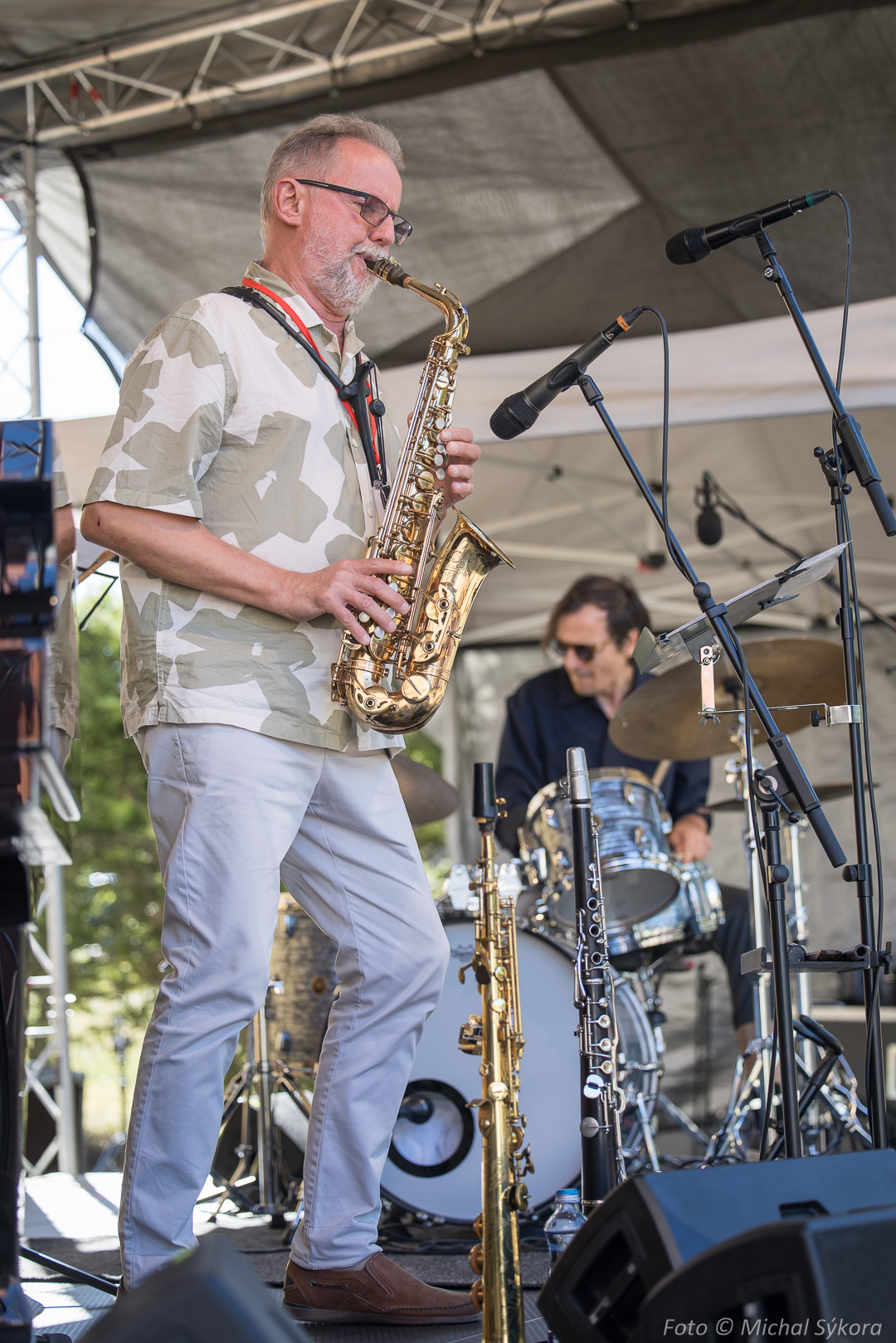
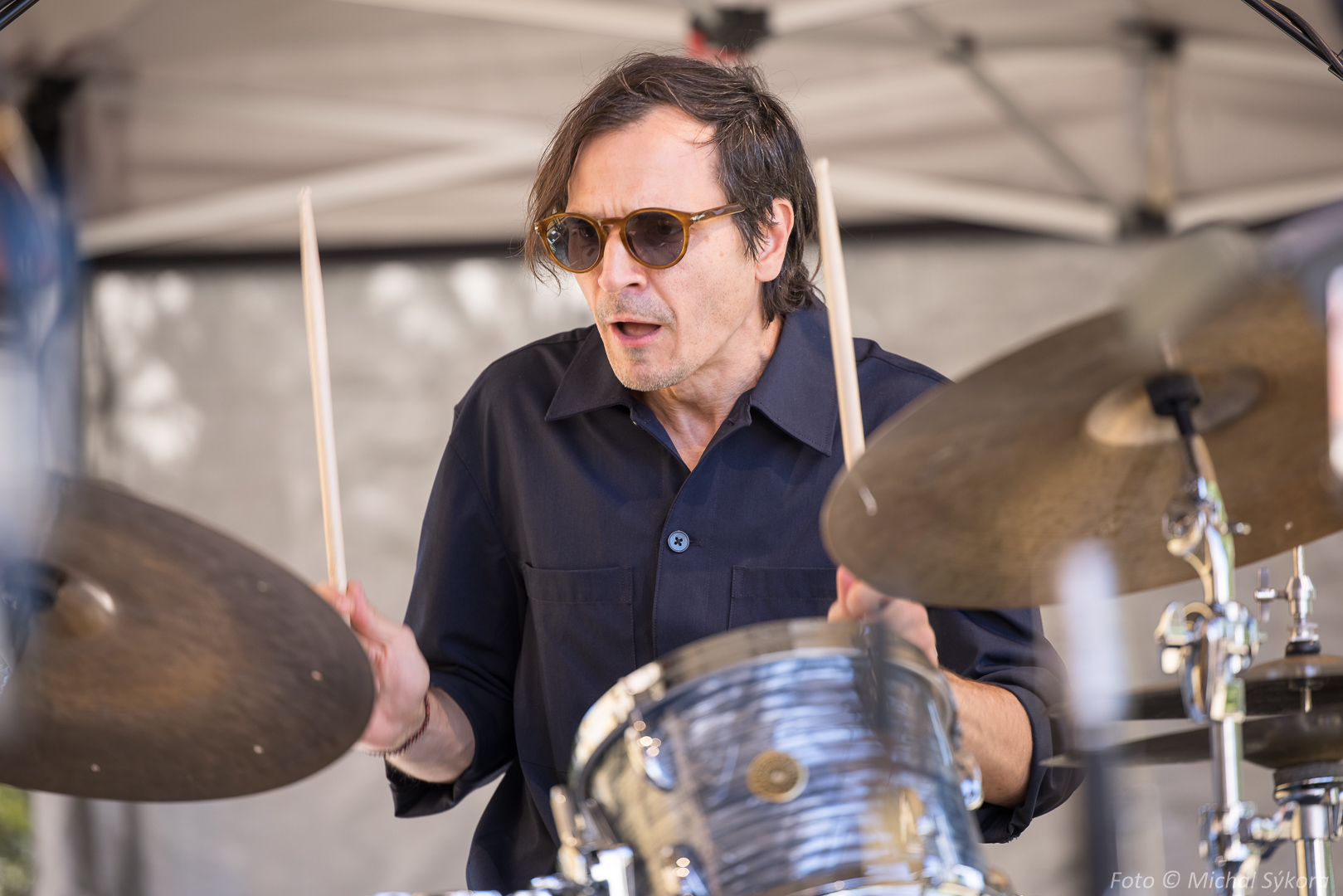
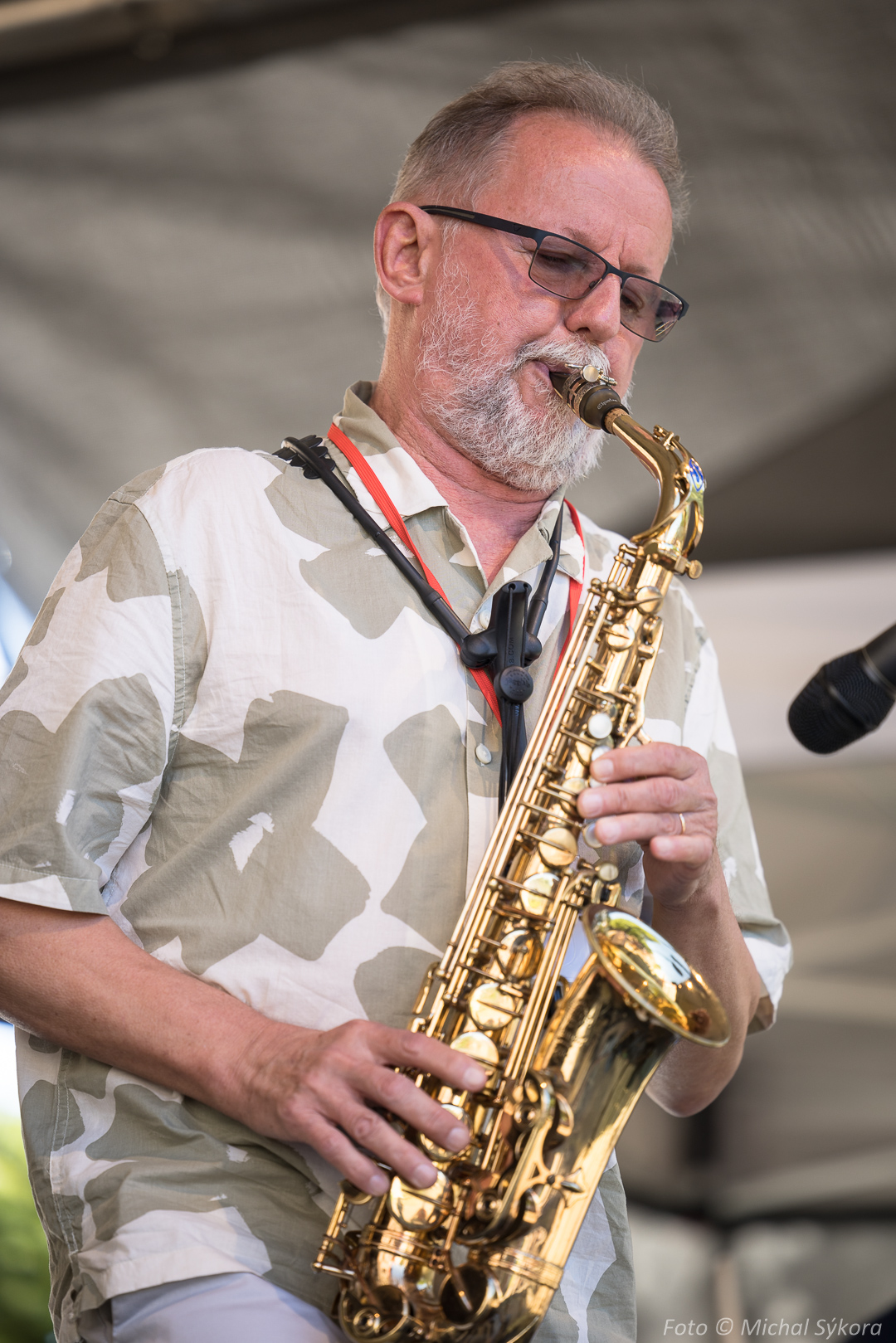
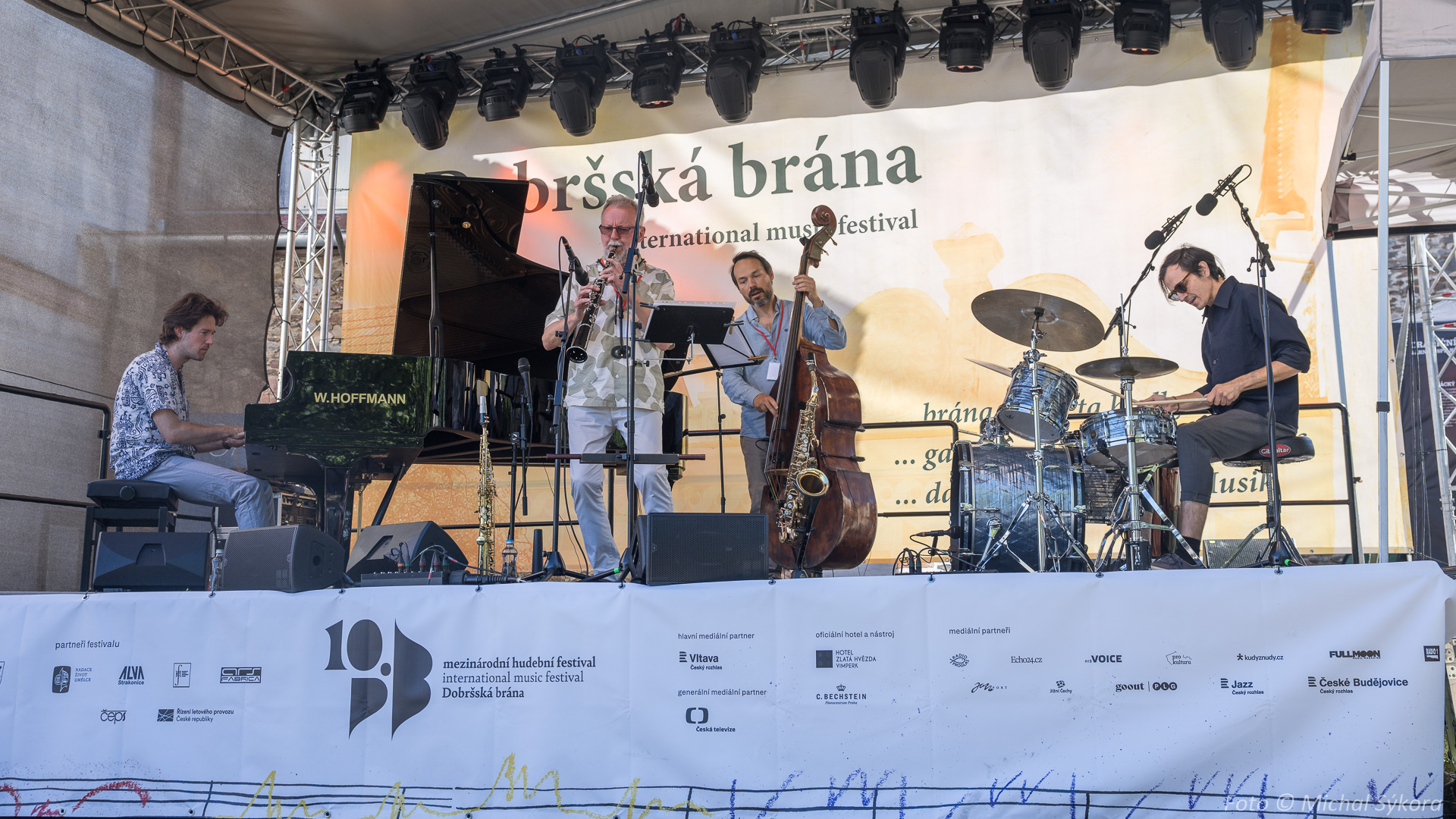
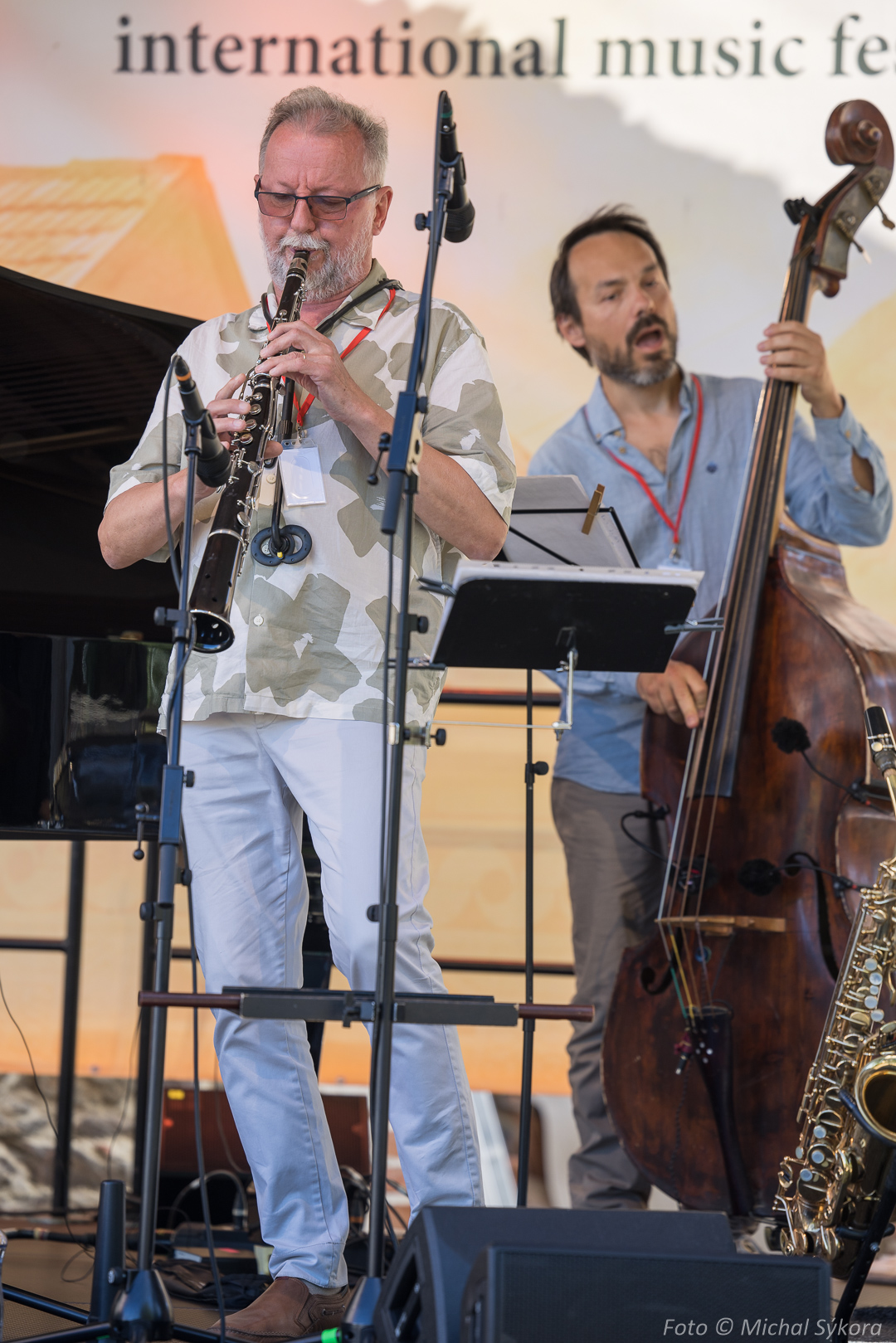
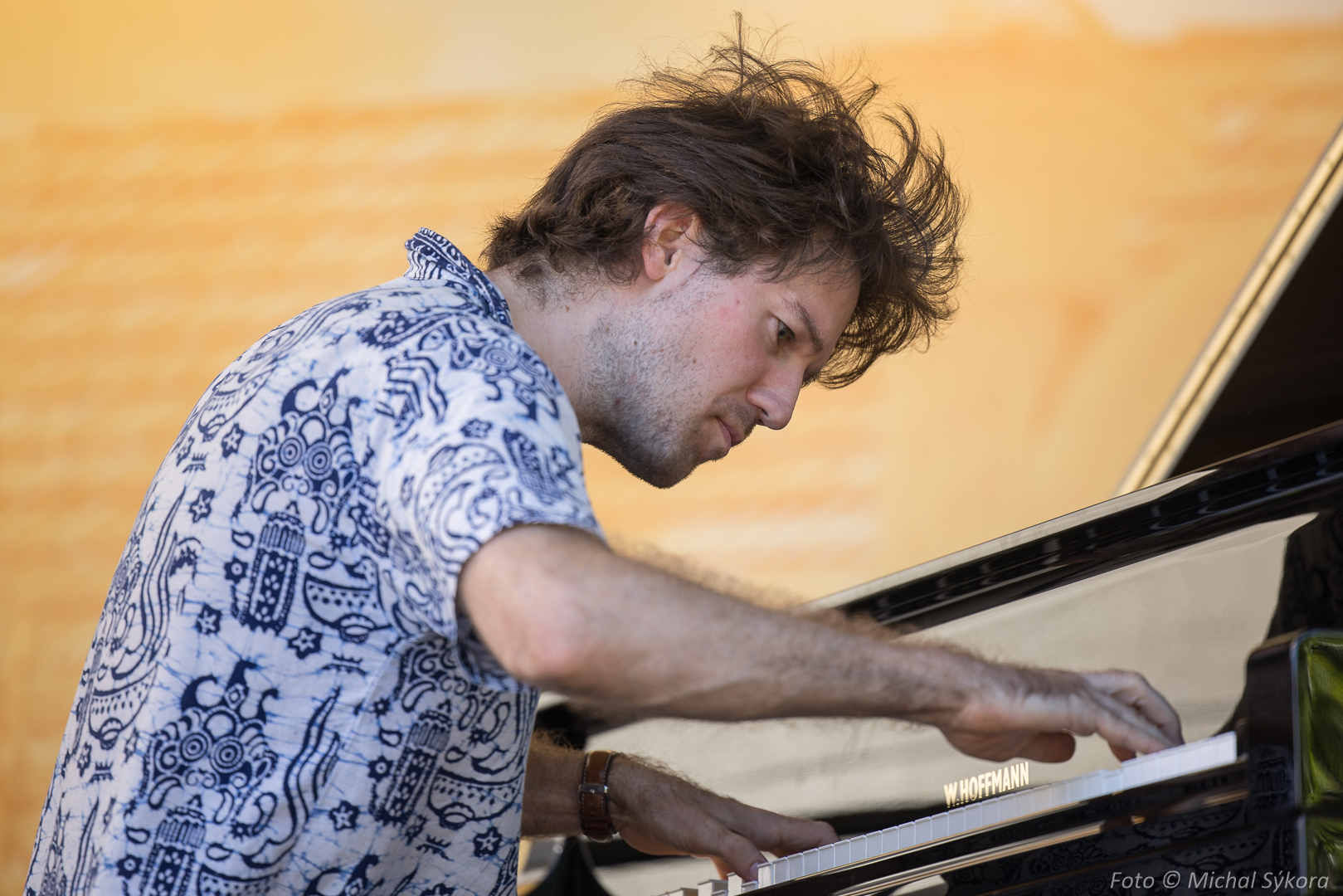
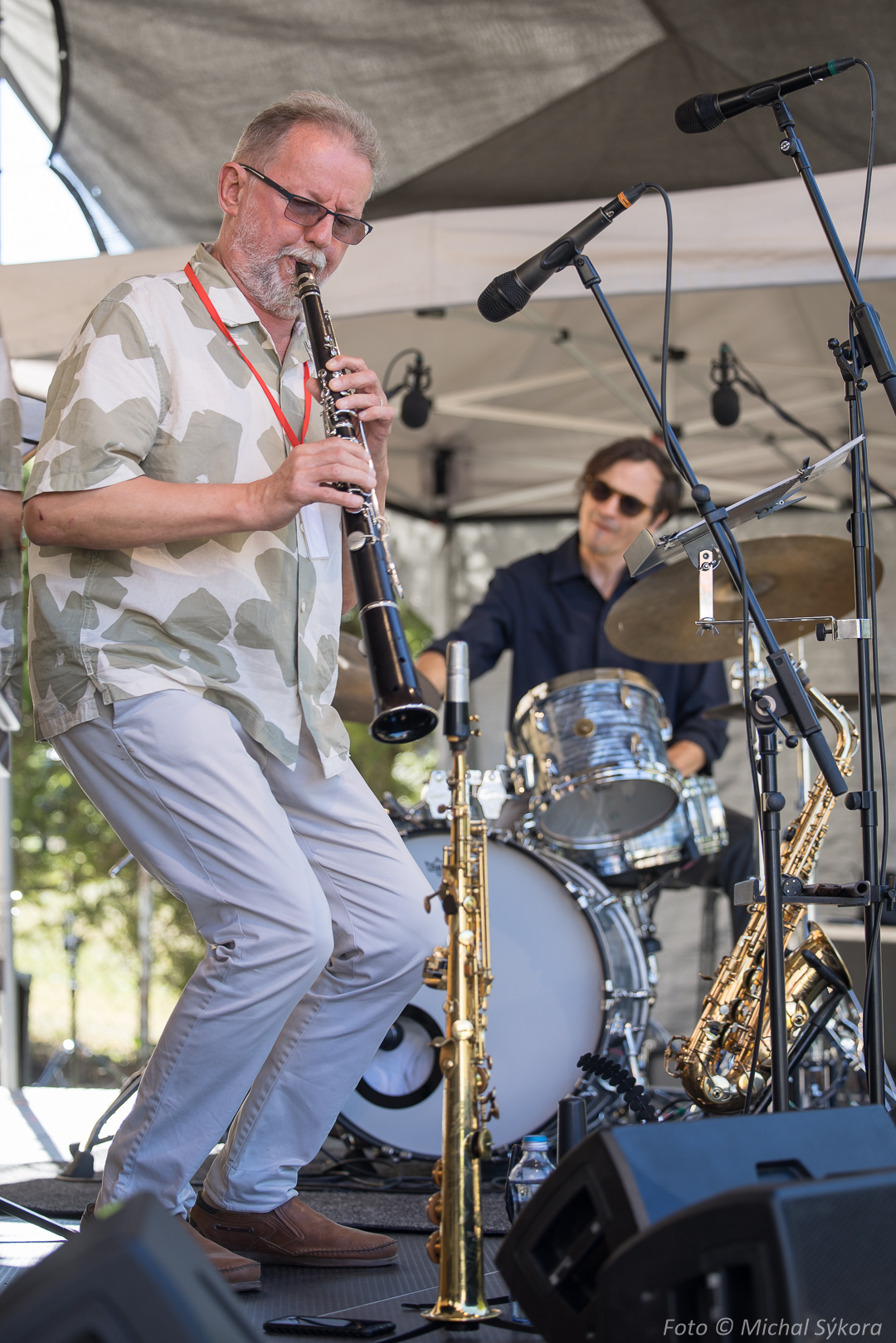
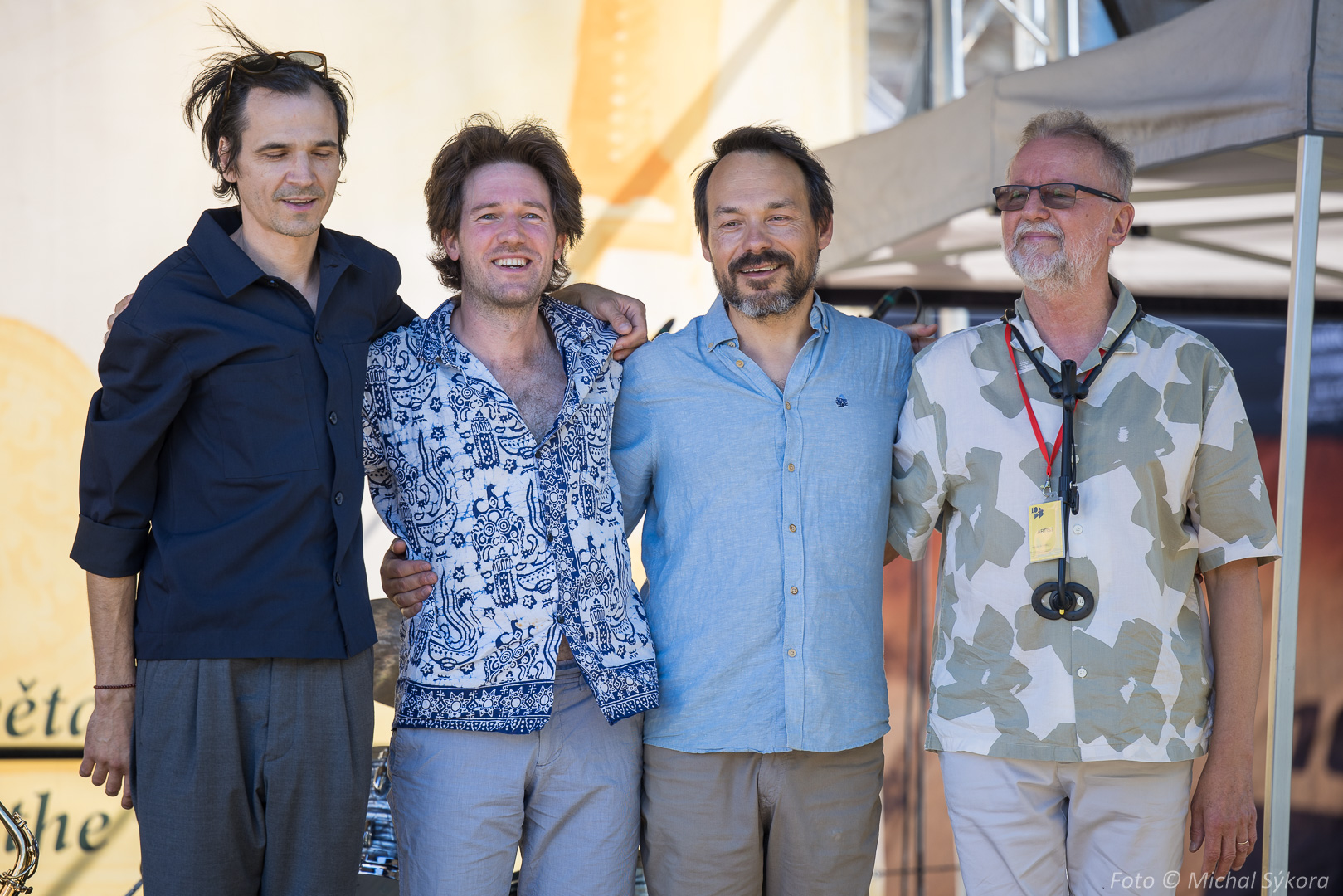
The set also featured the delicate ballad Bear Dance, inspired by folklore and the works of Béla Bartók. The highlight of the set was a rendition of the popular Hungarian standard Silver Summer (Ezüst nyár) by the band Locomotiv GT – see both in the video clip – after which the audience demanded an encore.
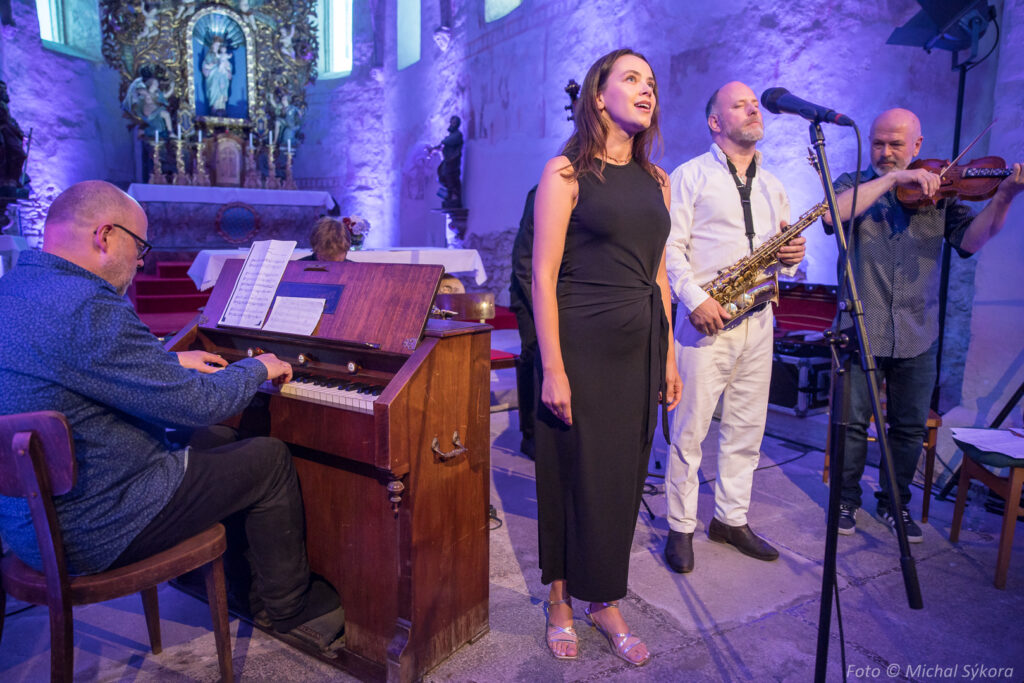
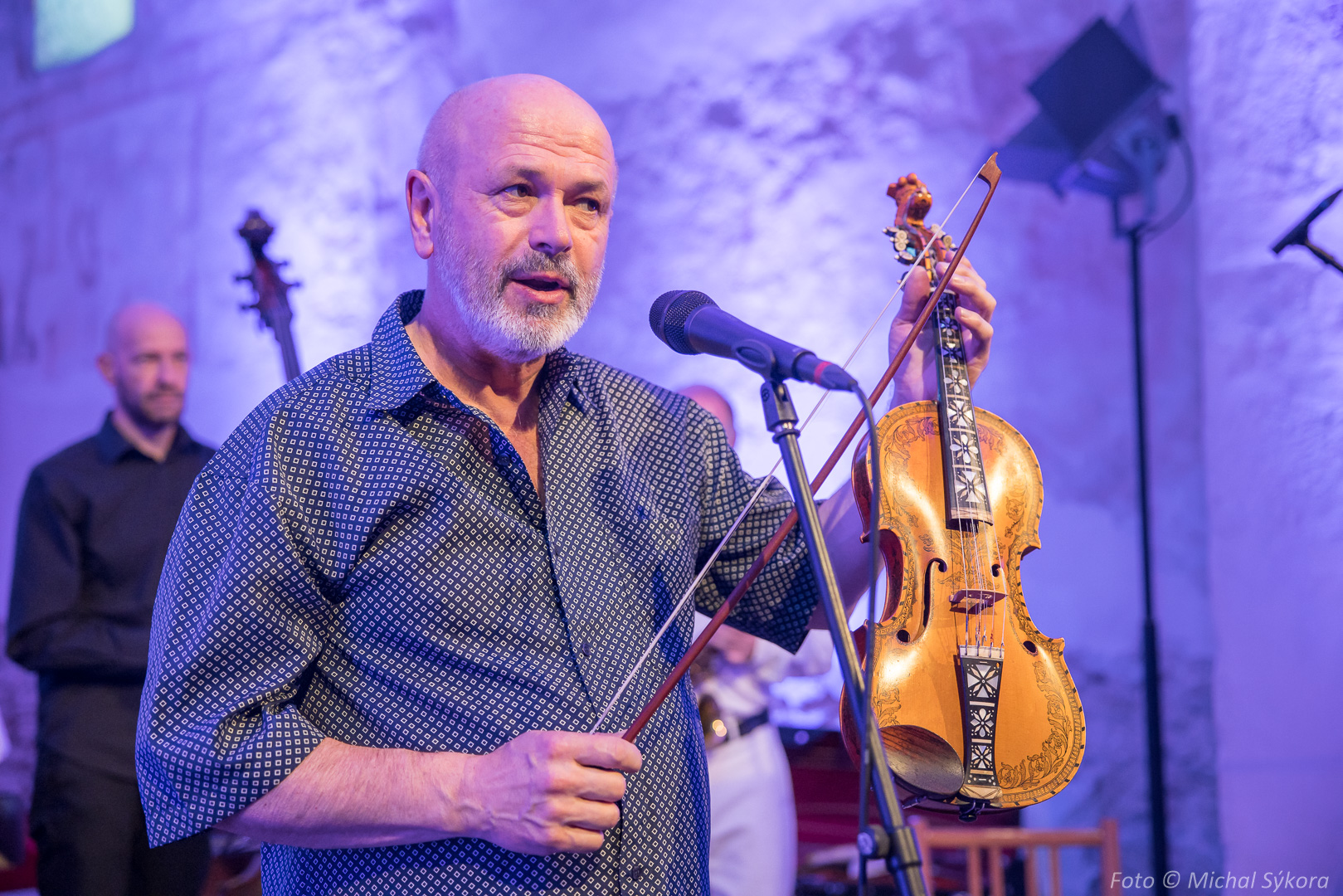
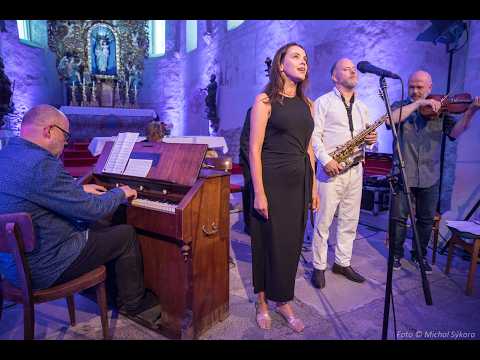
The performance in the church was part of the Norwegian-Slovak-Belgian project Nils Økland Flexsemble. The band performed with an international line-up comprising Nils Økland (Hardanger fiddle, violin), Rolf-Erik Nyström (alto and baritone saxophone), Sigbjørn Apeland (harmonium, Fender Rhodes organ), Ruben Machtelinckx (guitar), Peter Korman (double bass) and Gabriela Kováčiková (vocals). After an opening piece of a more abstract nature, Nils gave a solo performance on his unique eight-string Hardanger fiddle, and I realised that the sound of this traditional Norwegian instrument would not be among my favourites. The project sought to build musical bridges between, for example, Slovak folk music and Nordic folklore.
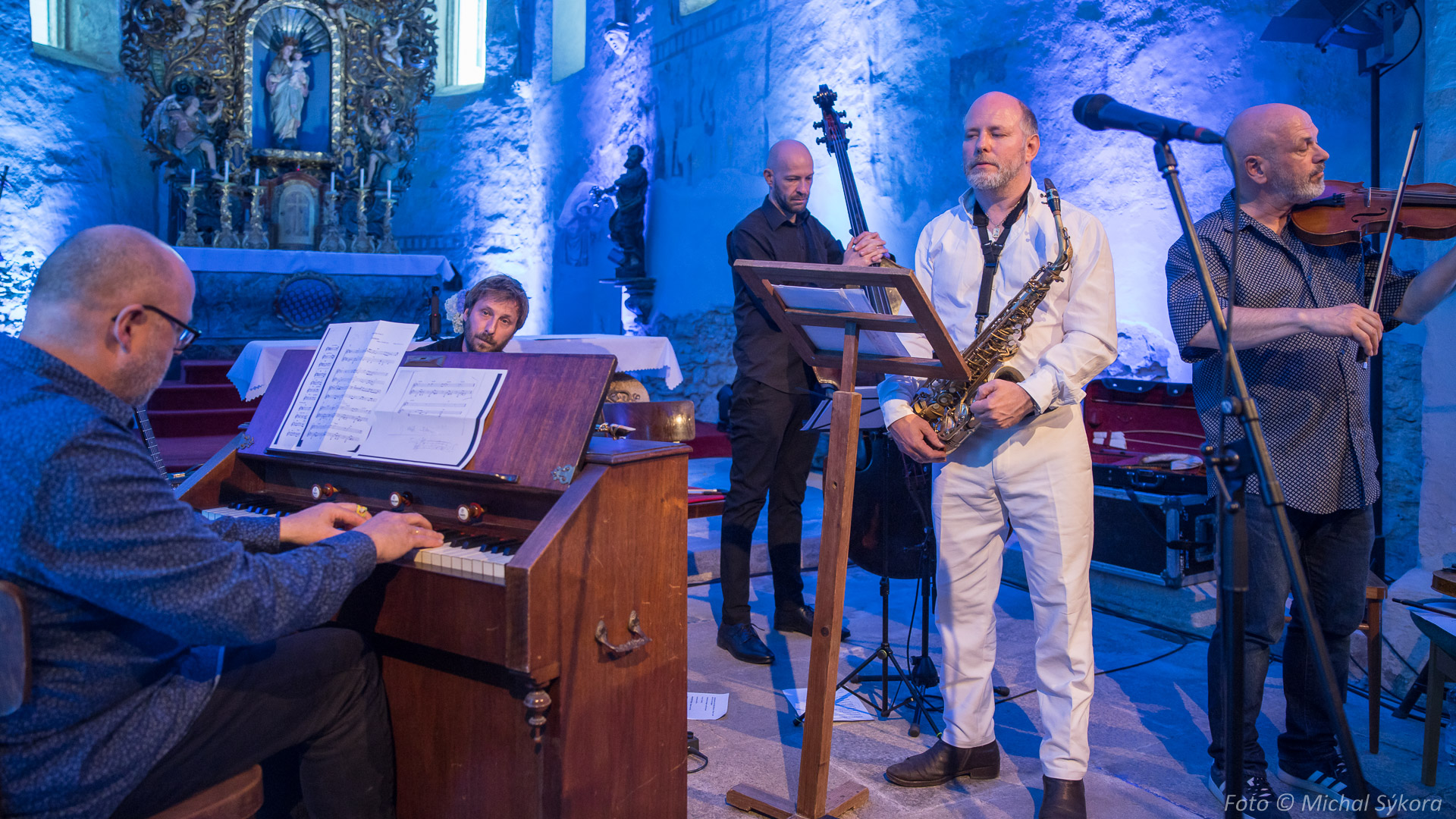
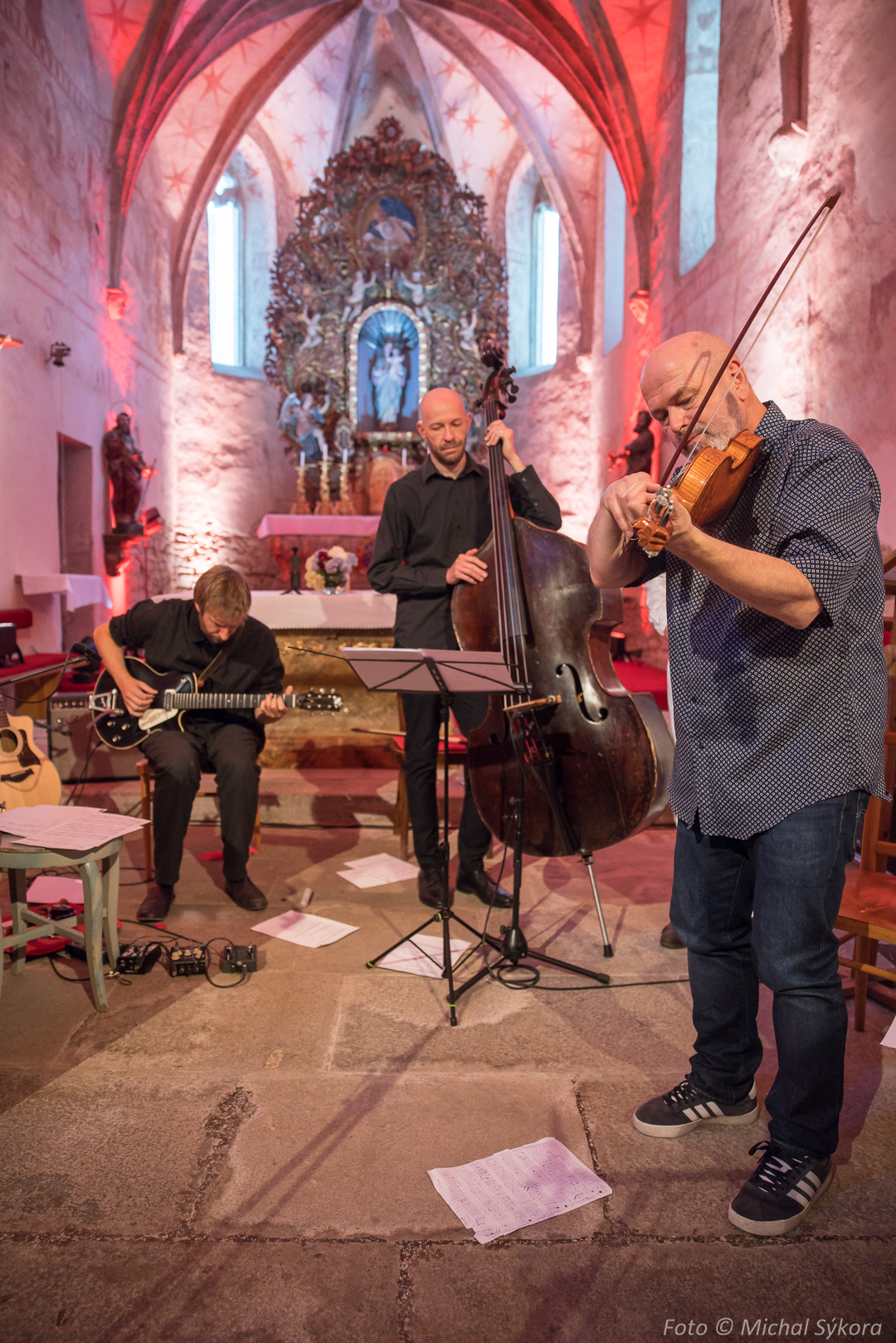
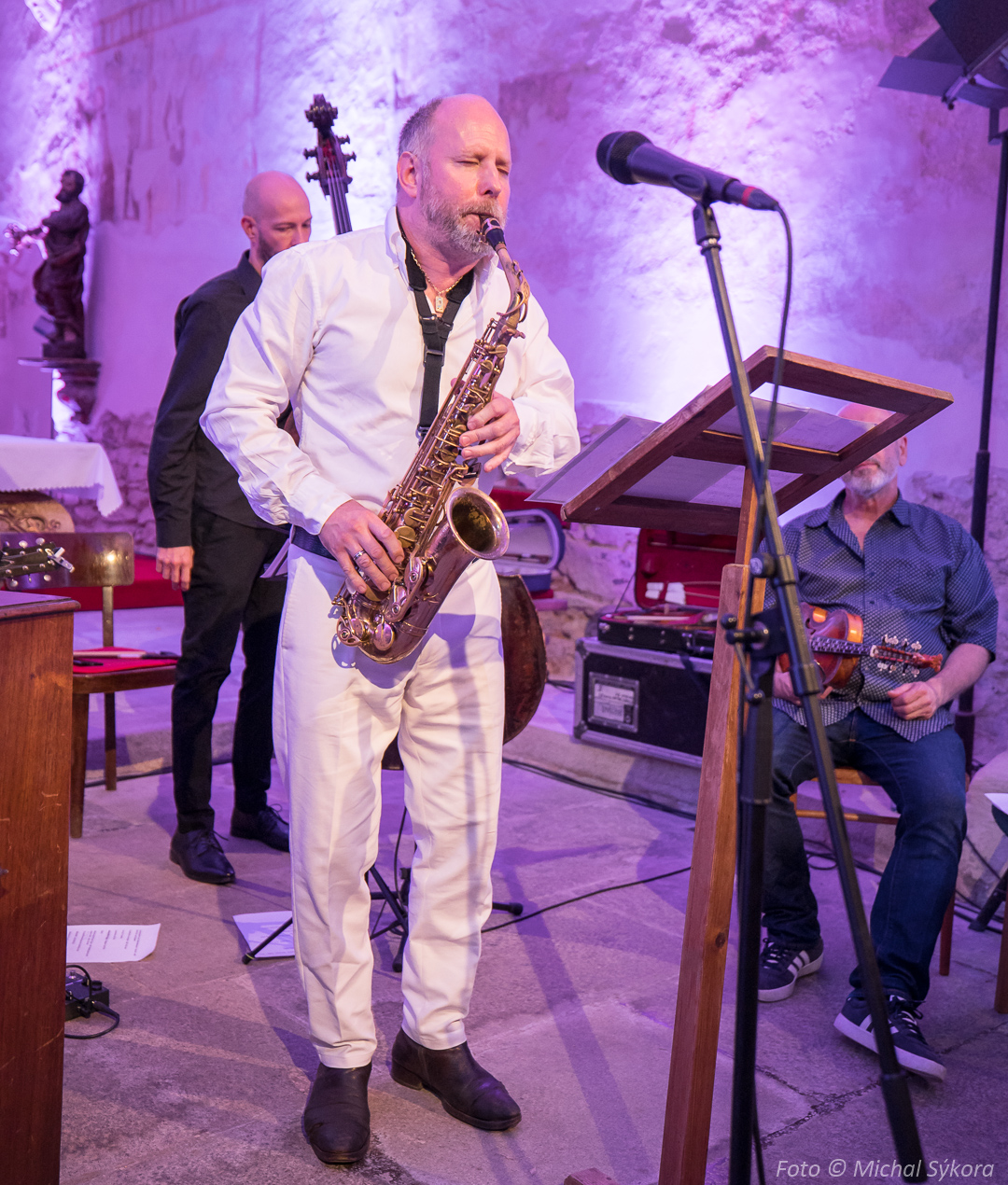
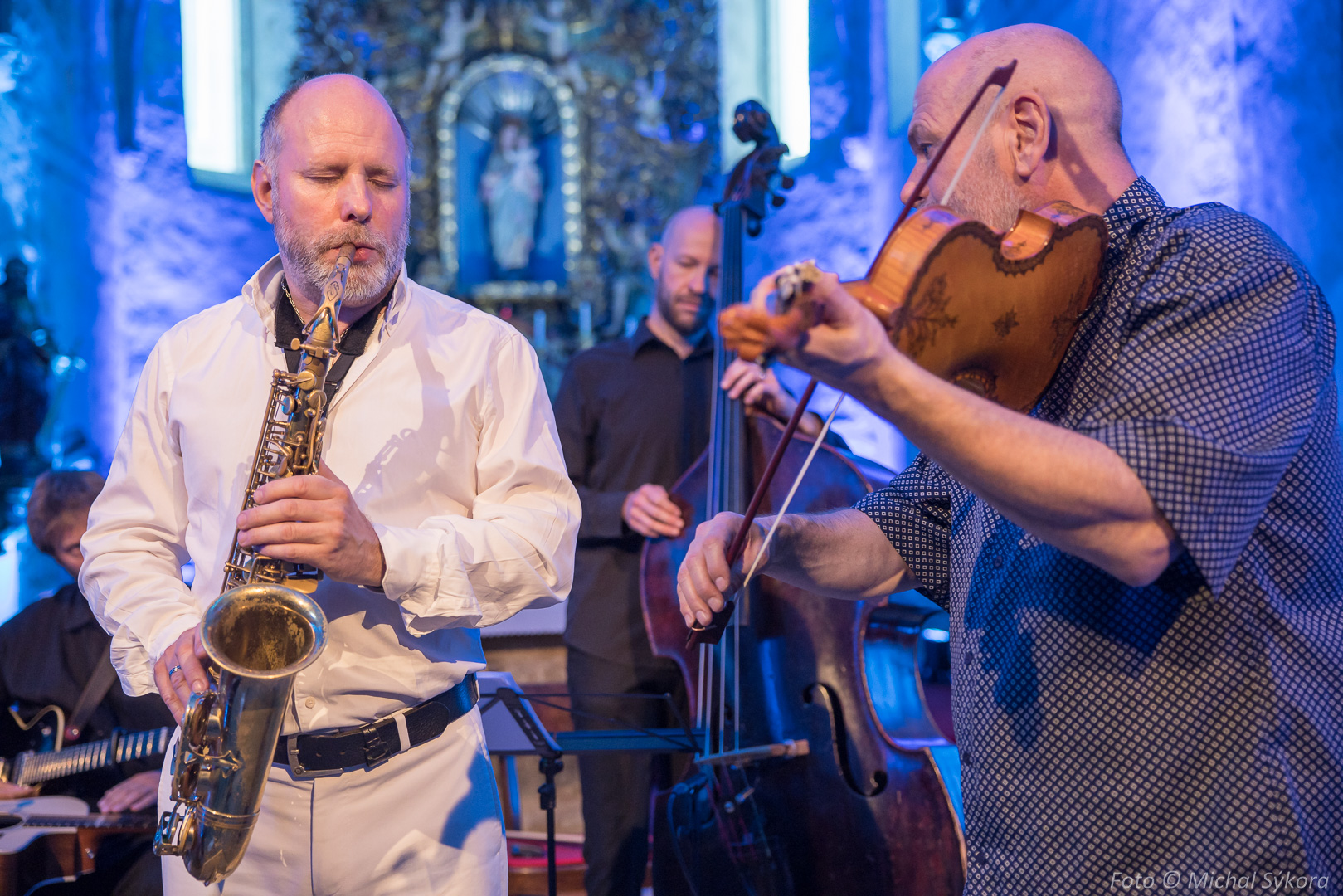
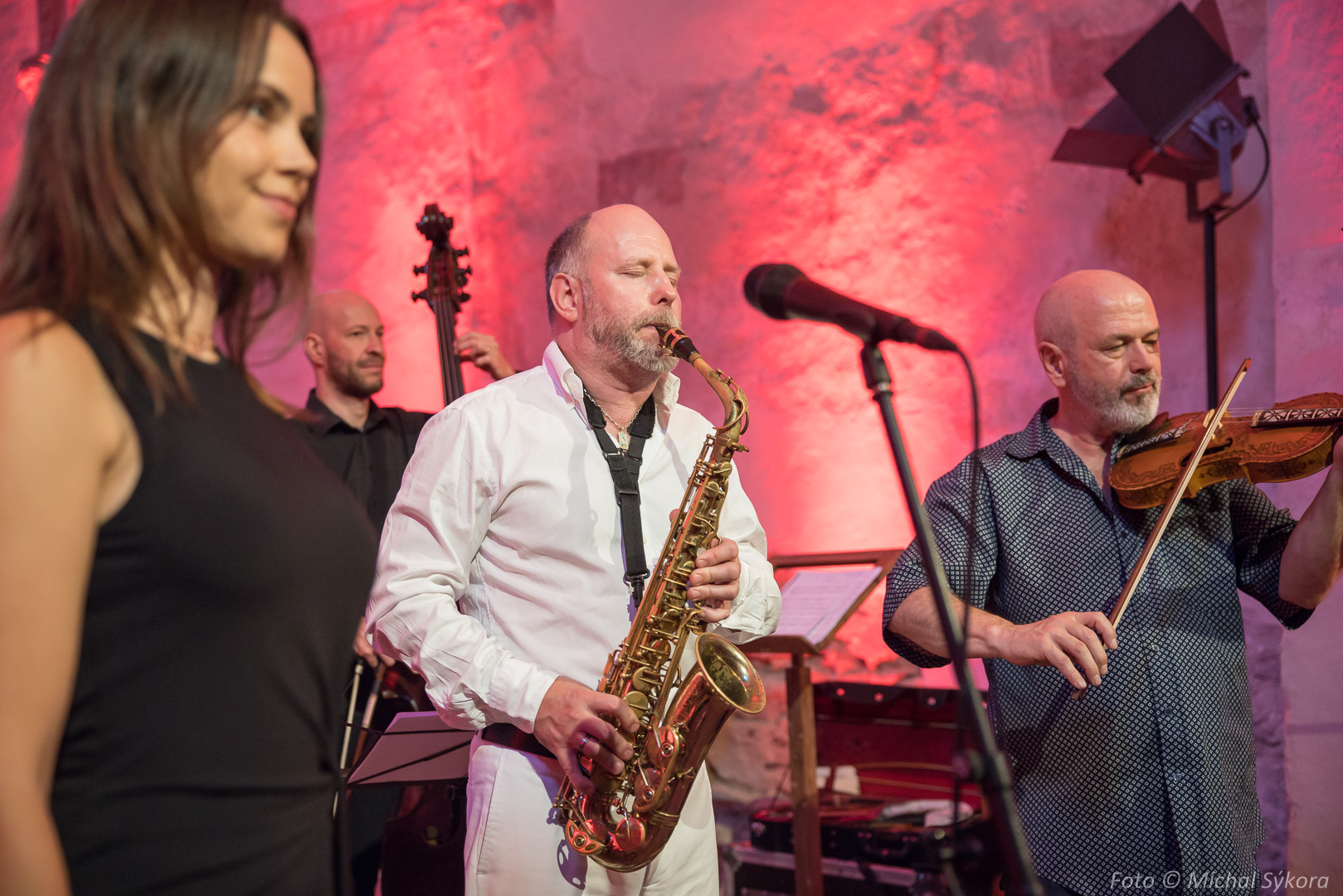
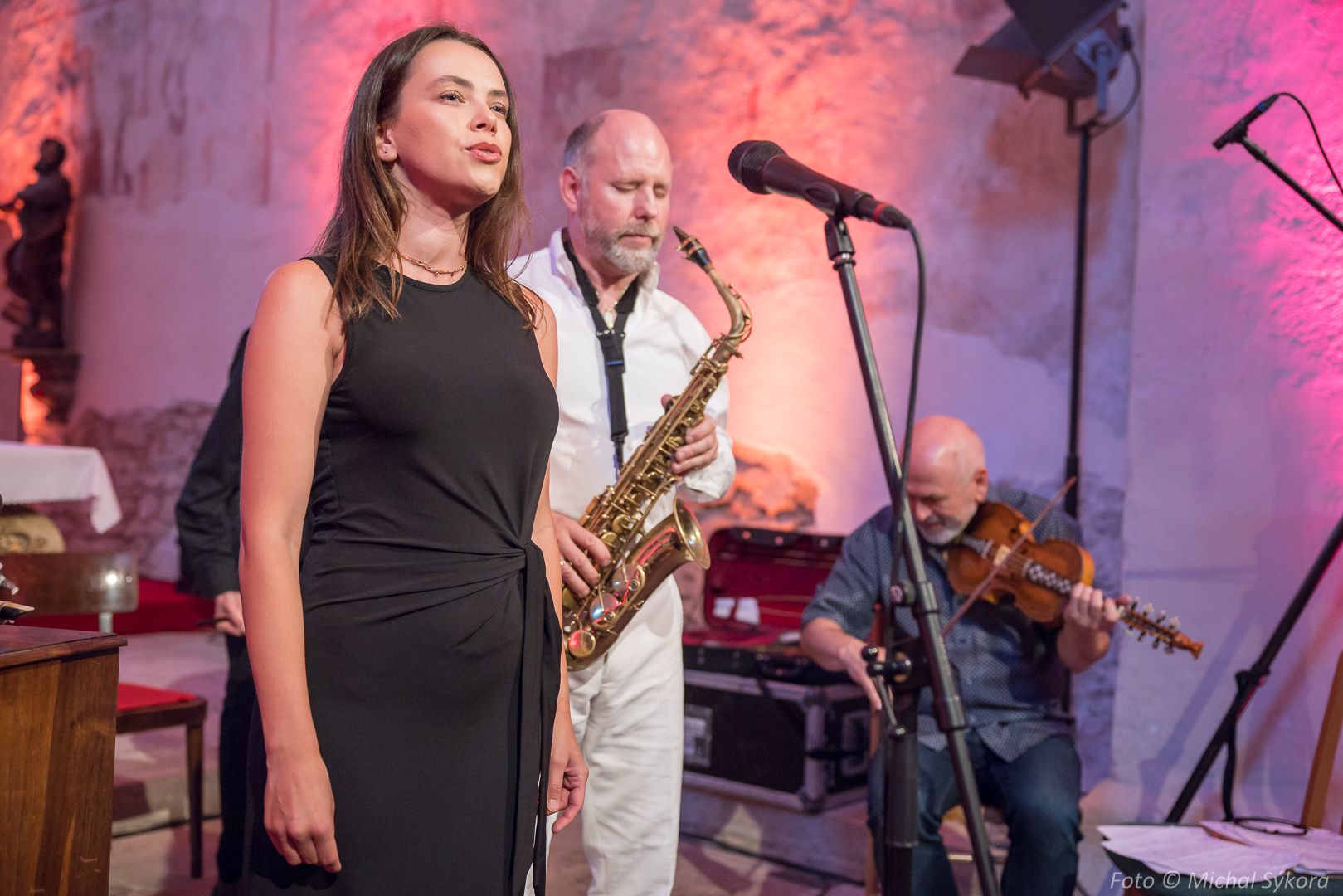
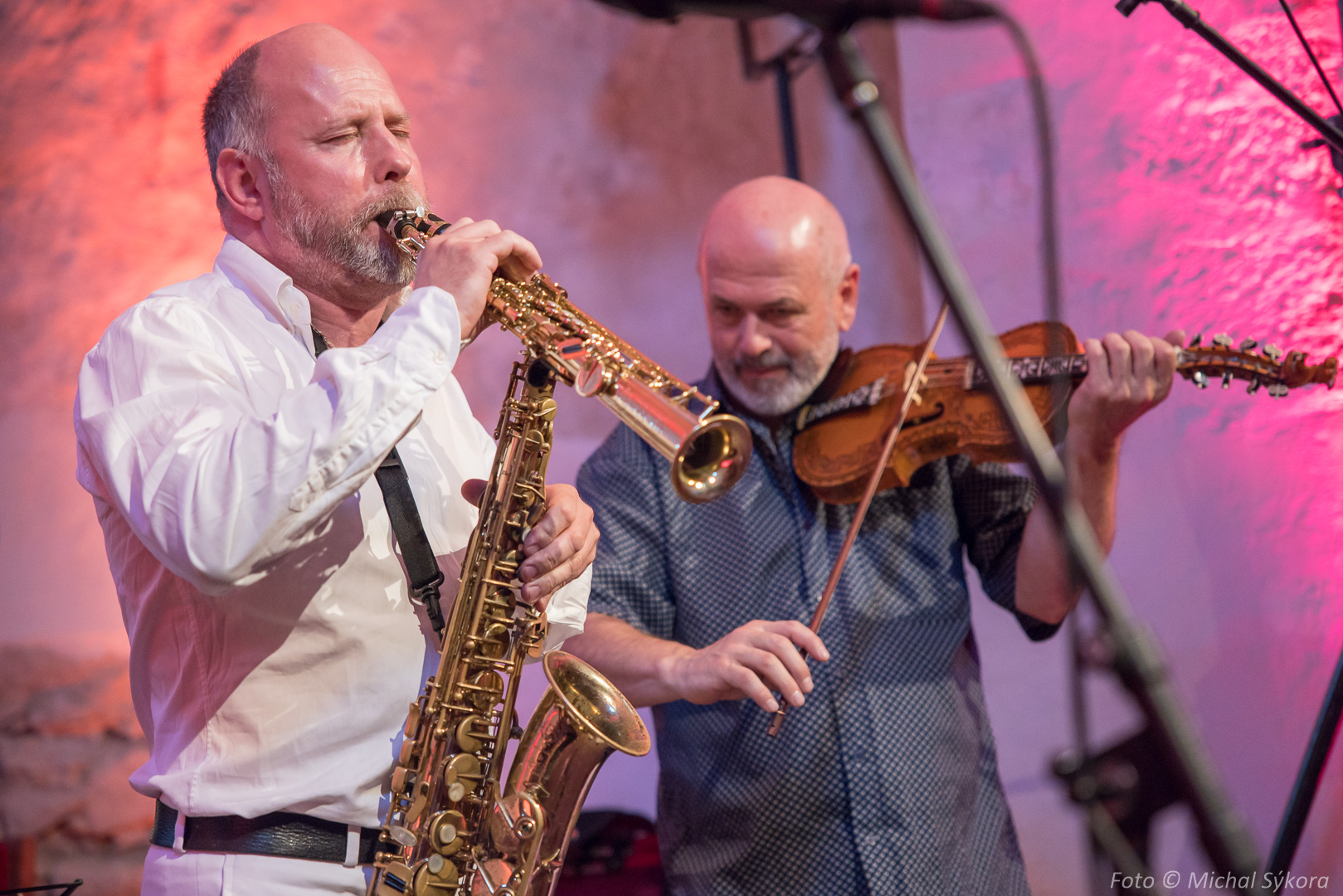
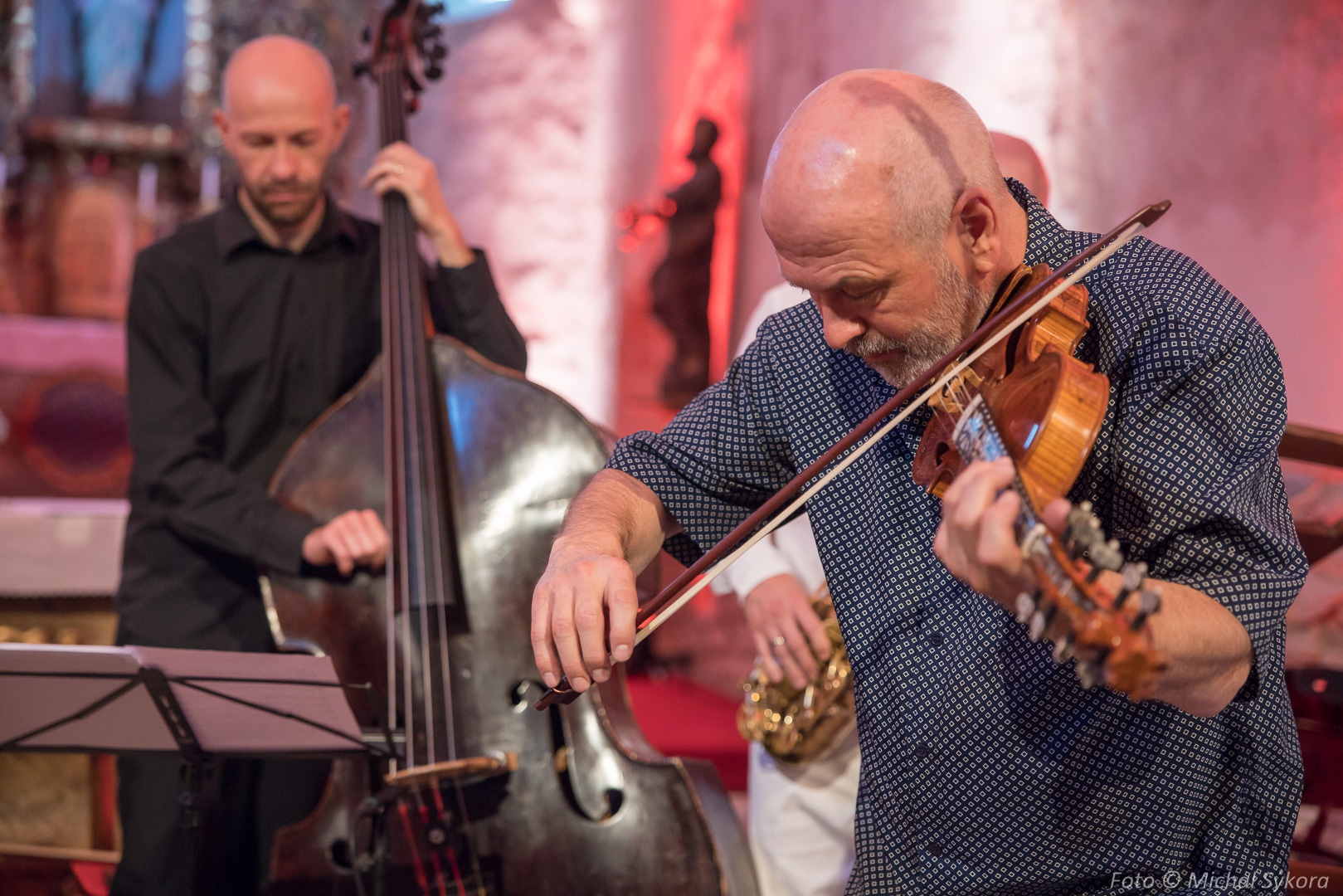
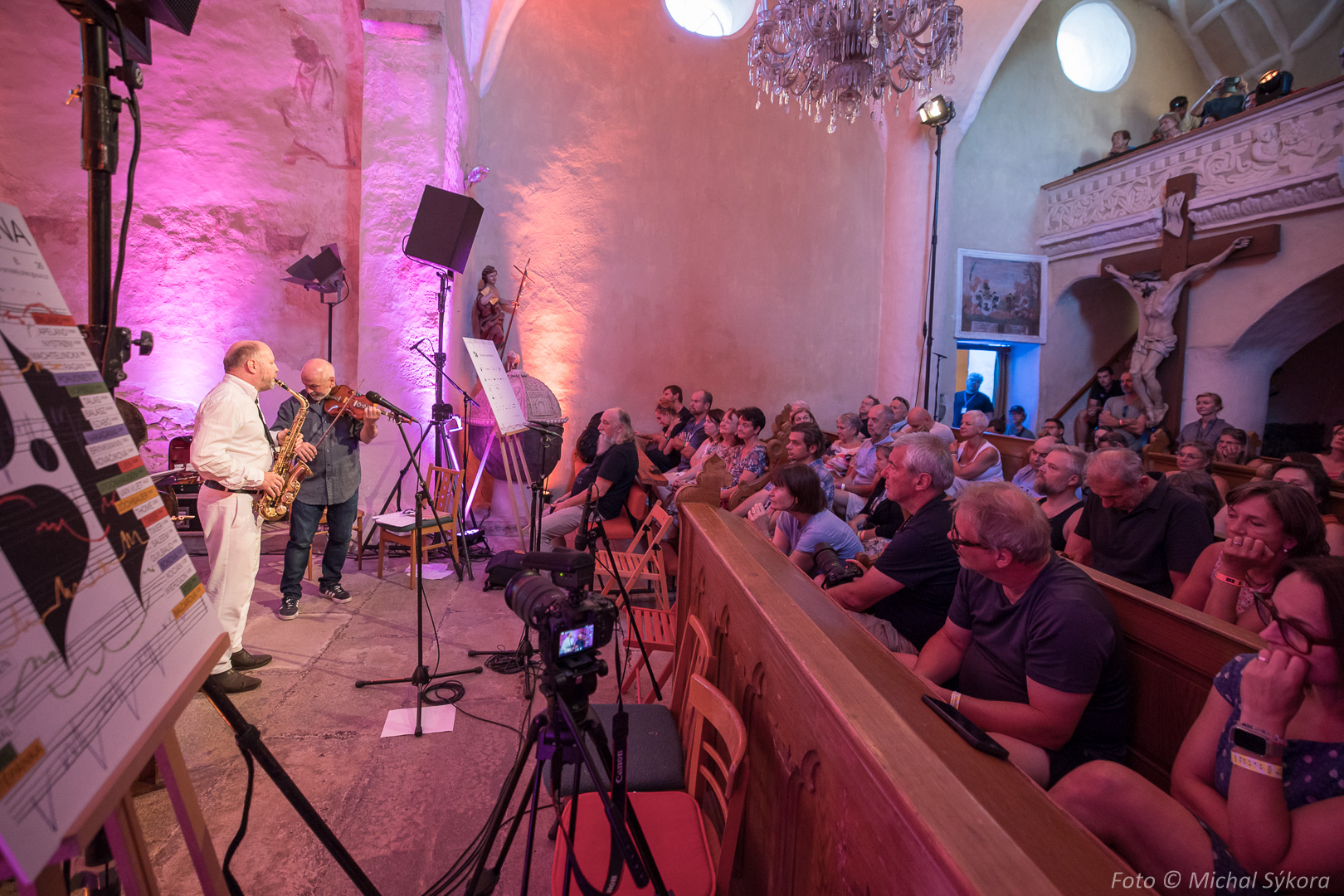
Gabriela Kováčiková masterfully performed her arrangements of folk songs from various regions of Slovakia, whilst the other pieces were performed instrumentally. Personally, I wasn’t particularly taken with the performance, and the set was excessively long, so after an hour and a half of this rather demanding musical fare, I found it really hard to keep my attention focused.
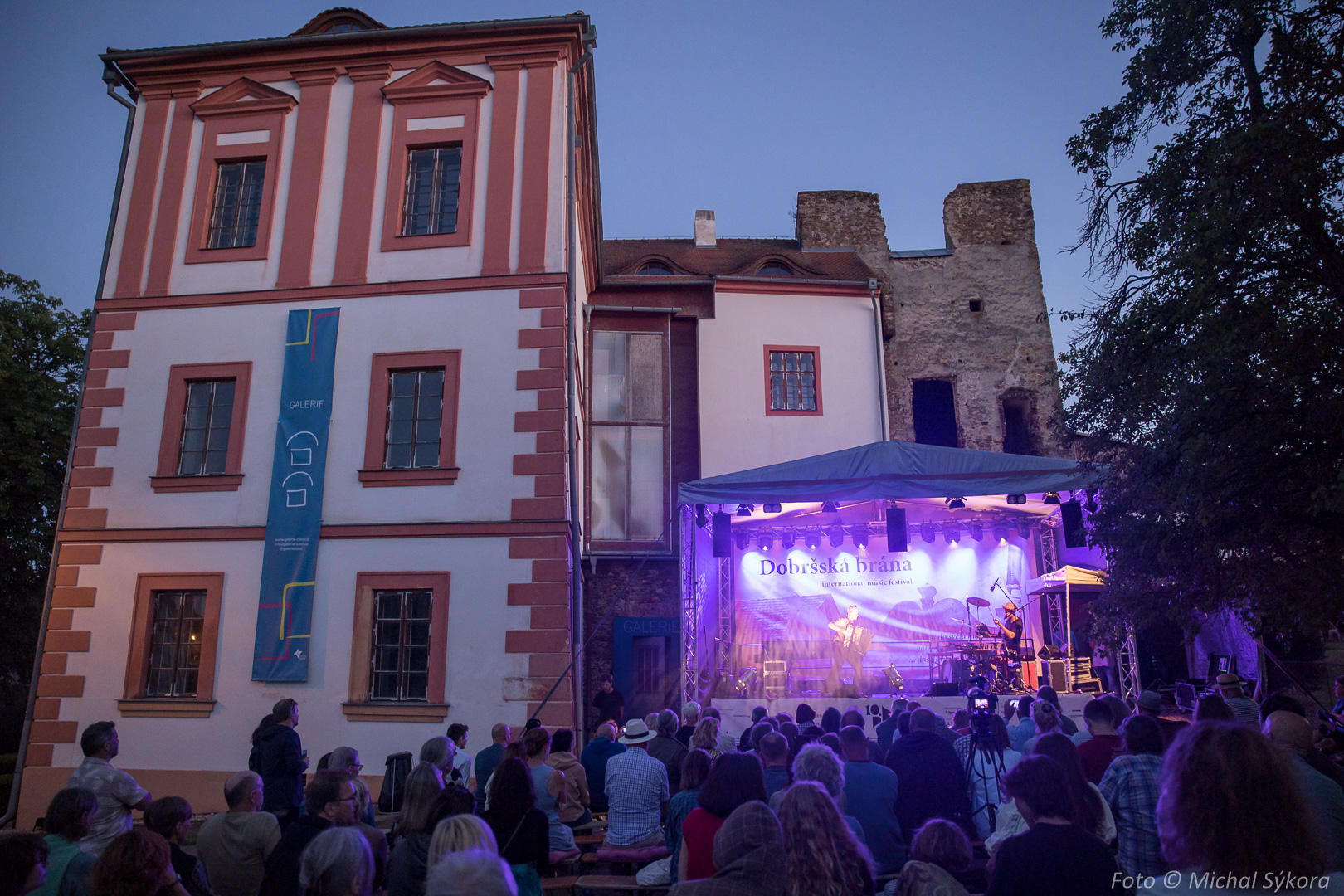
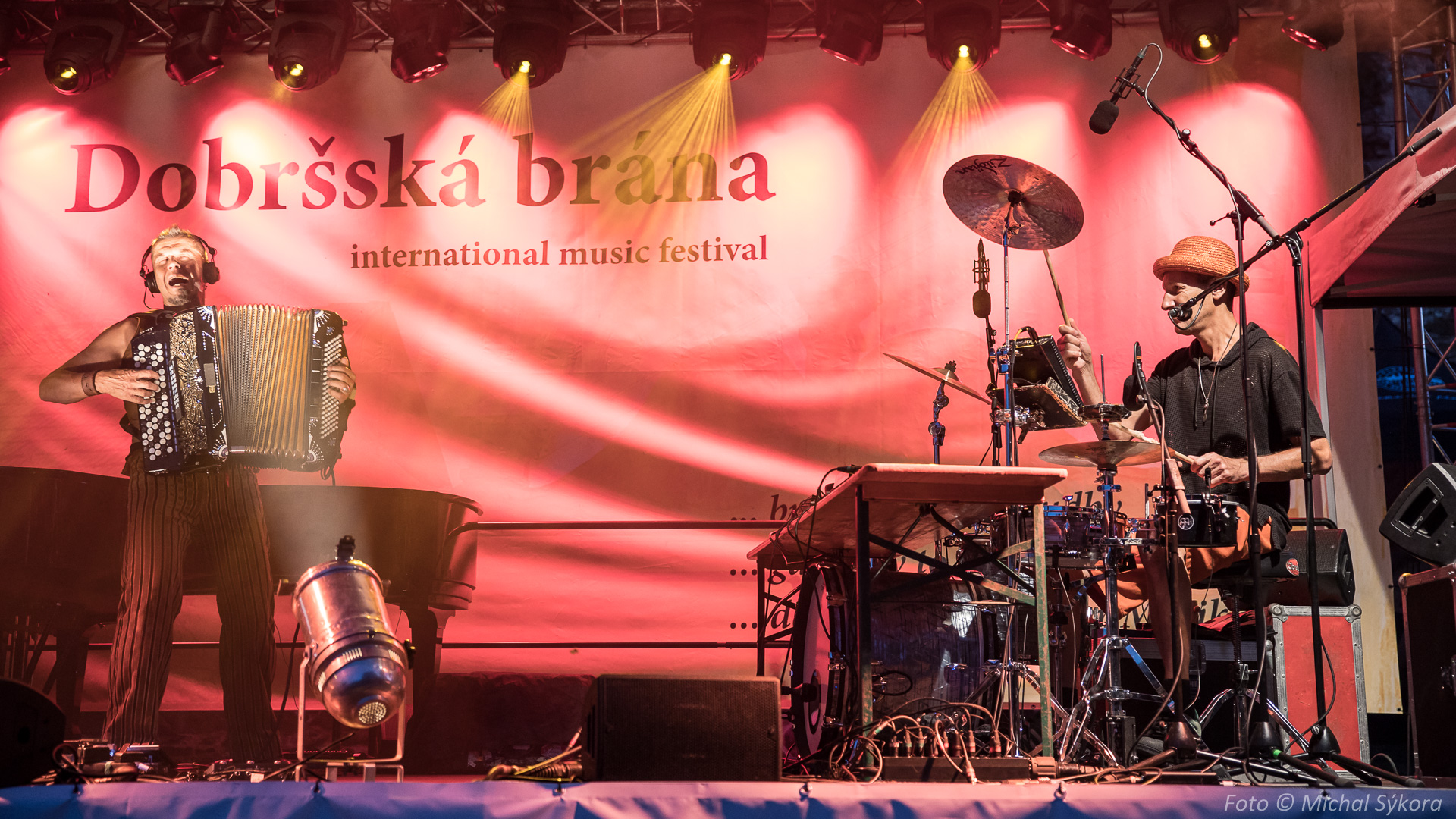
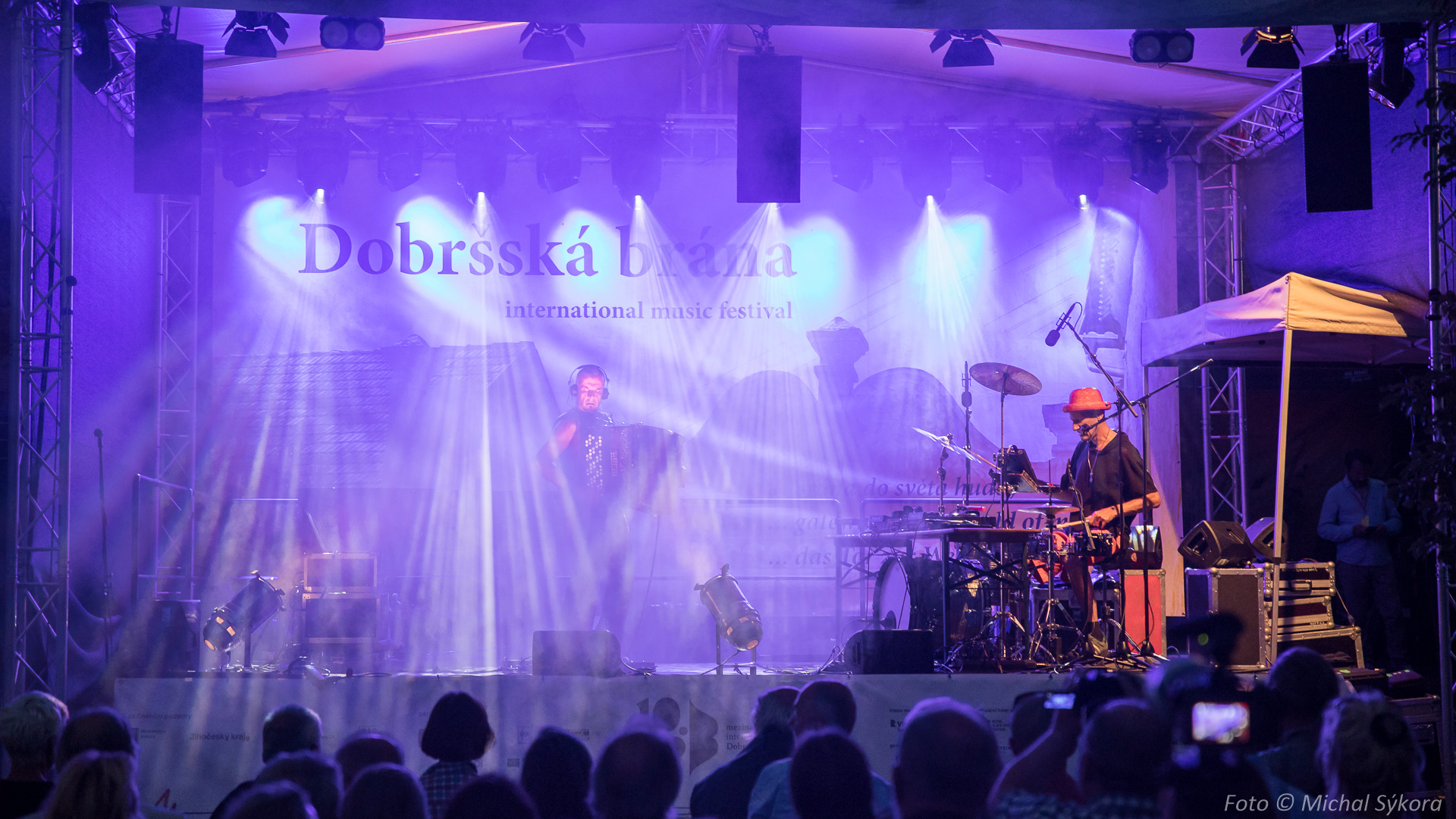
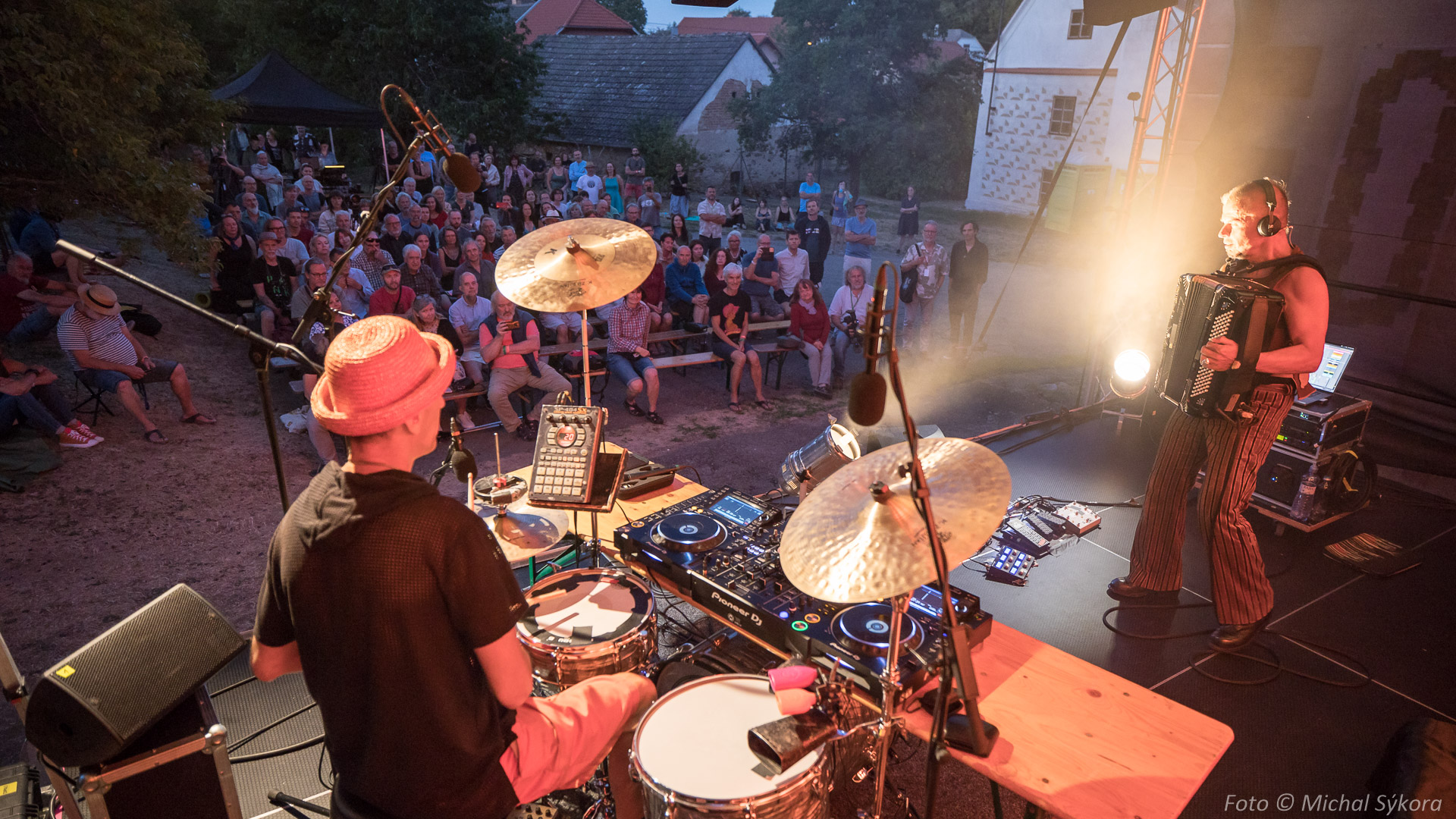
The stage at the castle was then taken over by Finnish accordion virtuoso Kimmo Pohjonen (accordion, electronics, vocals). Pohjonen performed the Czech premiere of his new solo work, Zone 6. Pohjonen plays several harmonic and rhythmic layers simultaneously on a modified accordion, whilst also incorporating his own voice. He uses a bespoke MIDI accordion, live loops and sound effects. I must say that this master of the accordion, complemented by electronic effects, looping and vocals, created a proper madhouse, where intense passages alternated with almost purely acoustic sections.
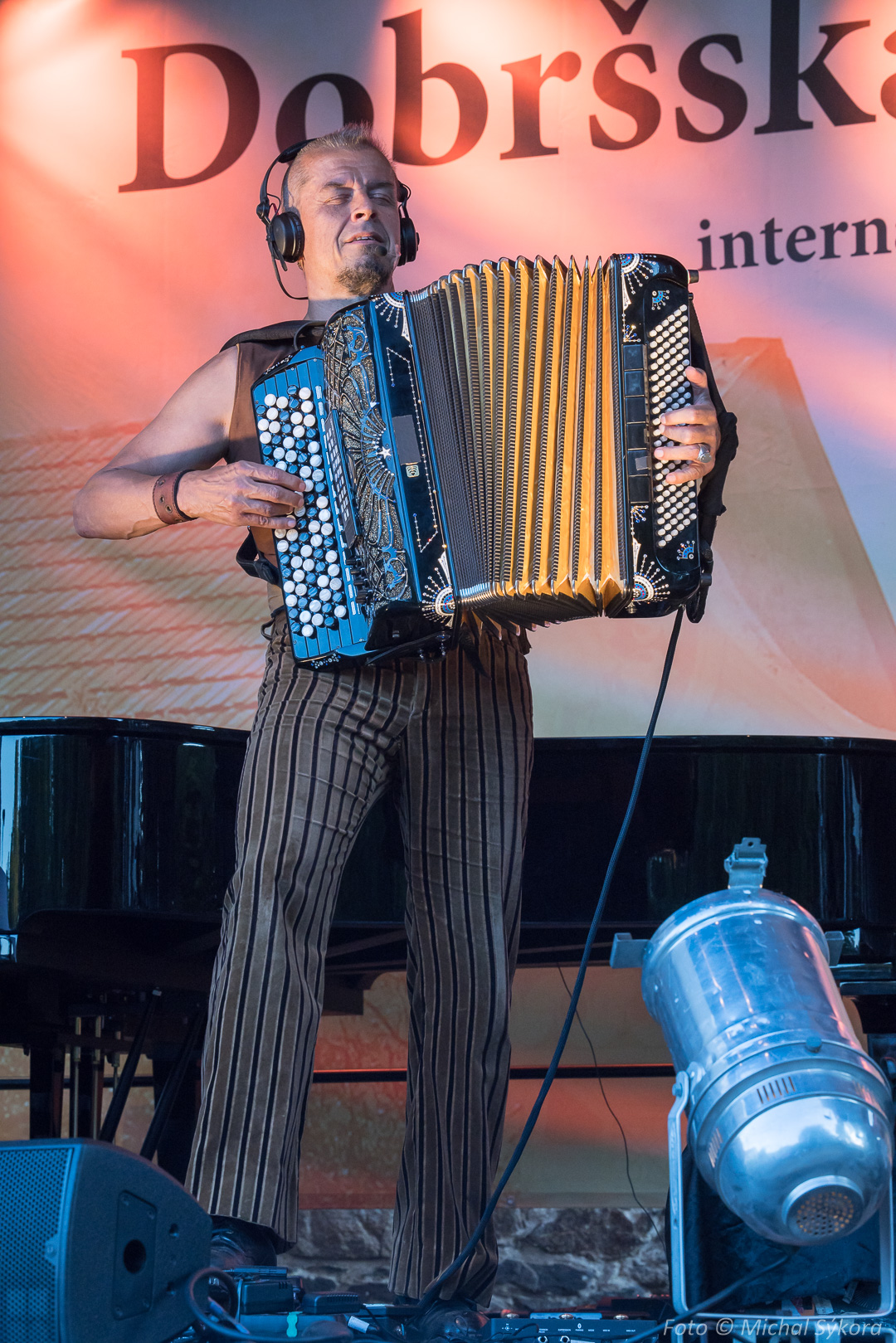
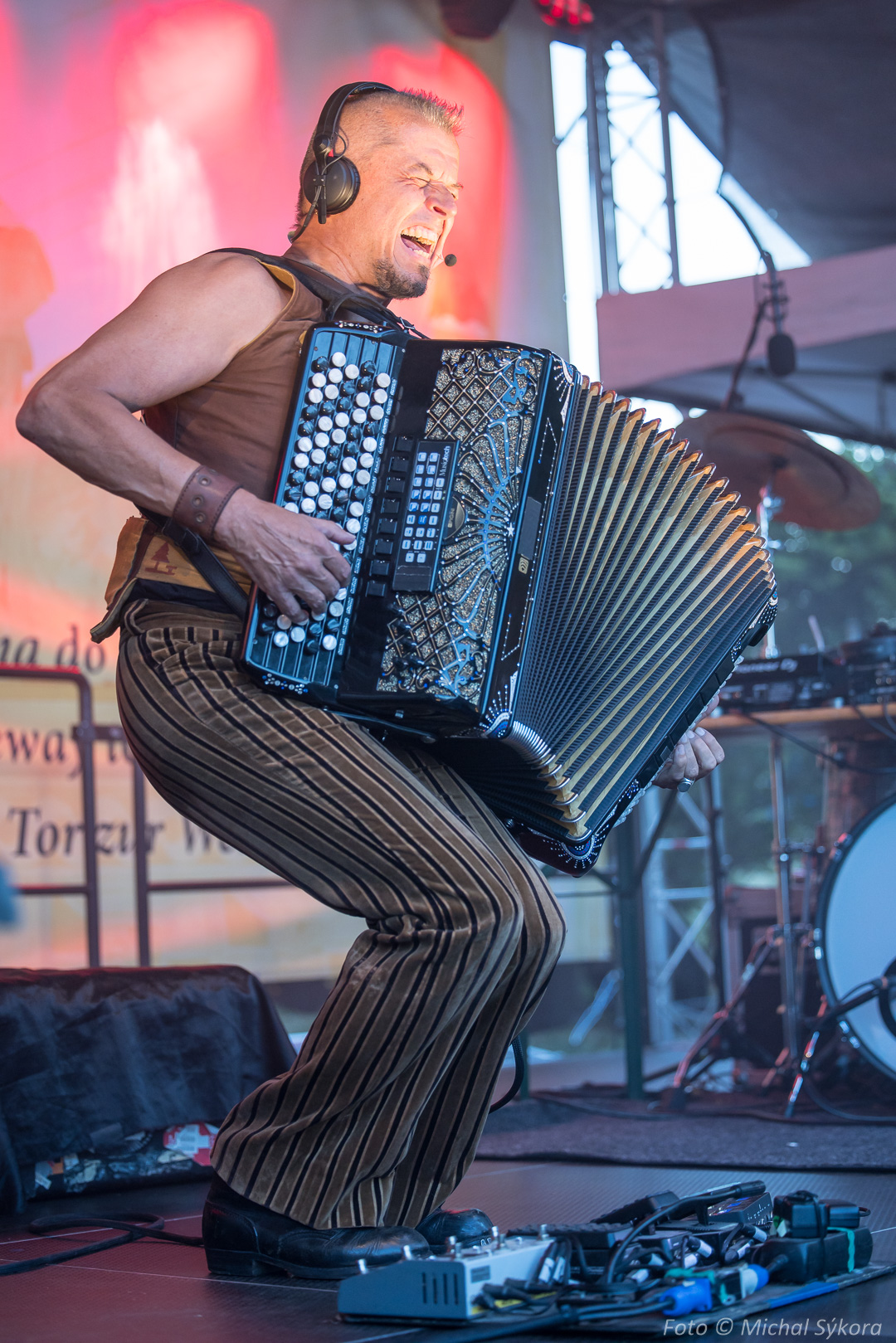
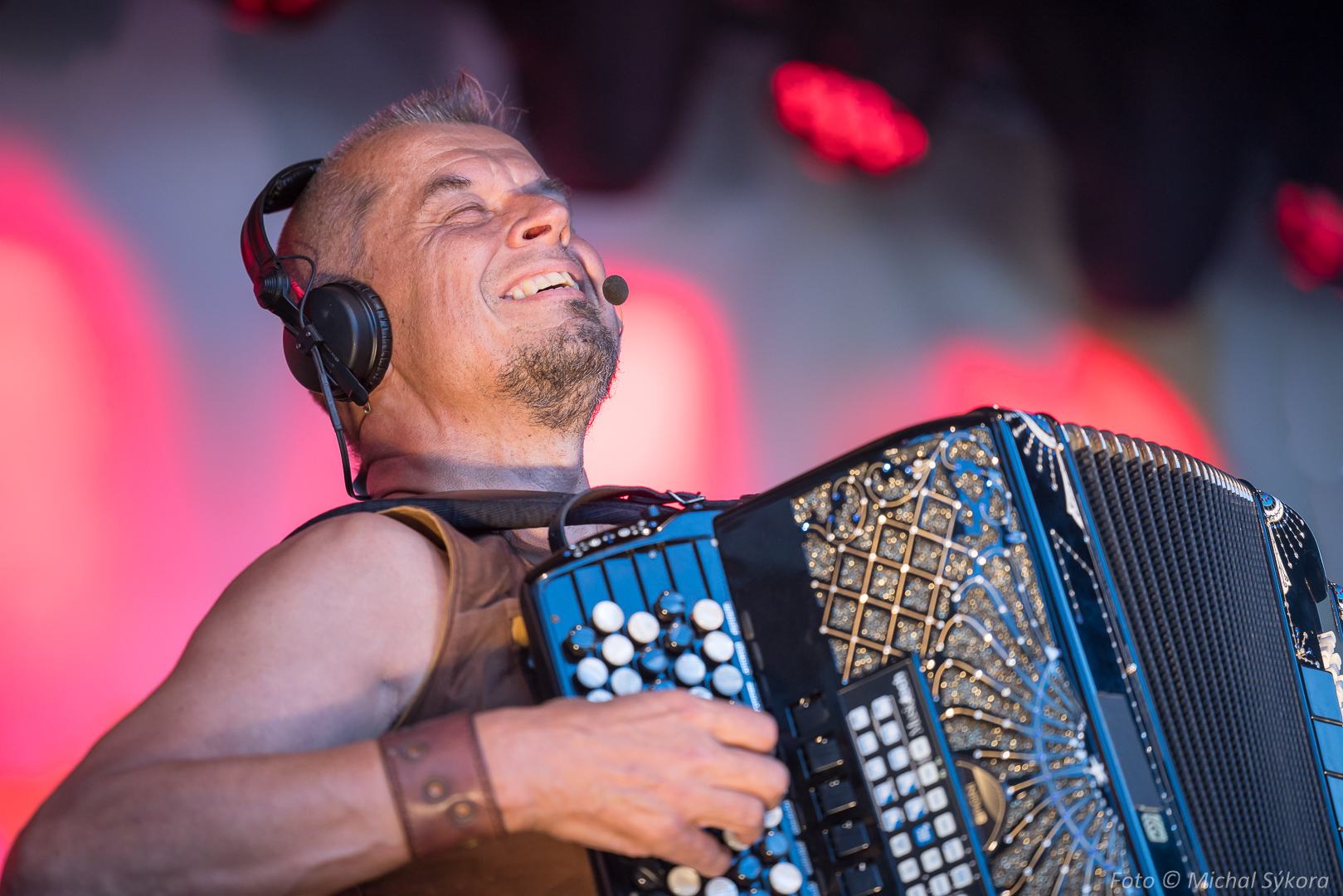
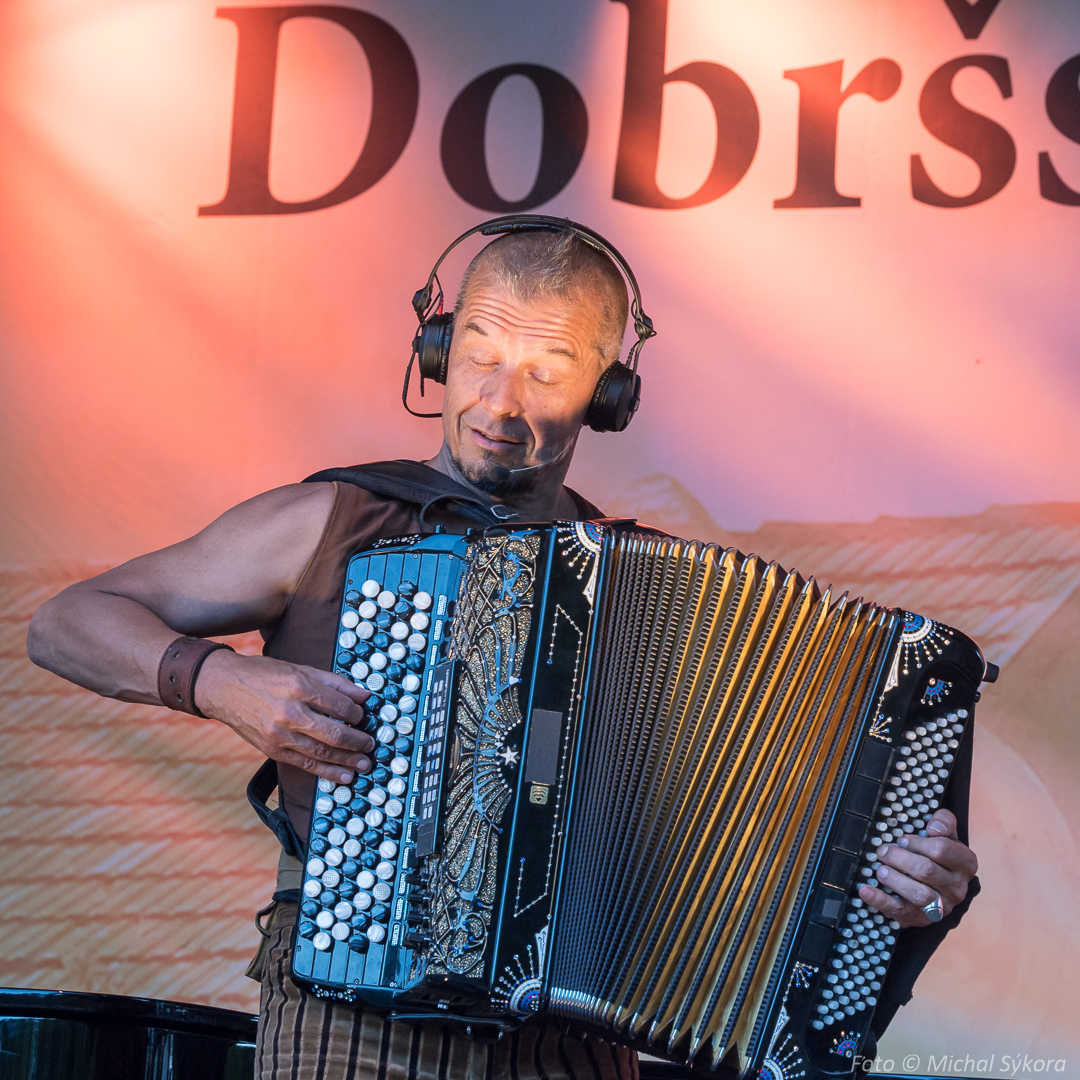
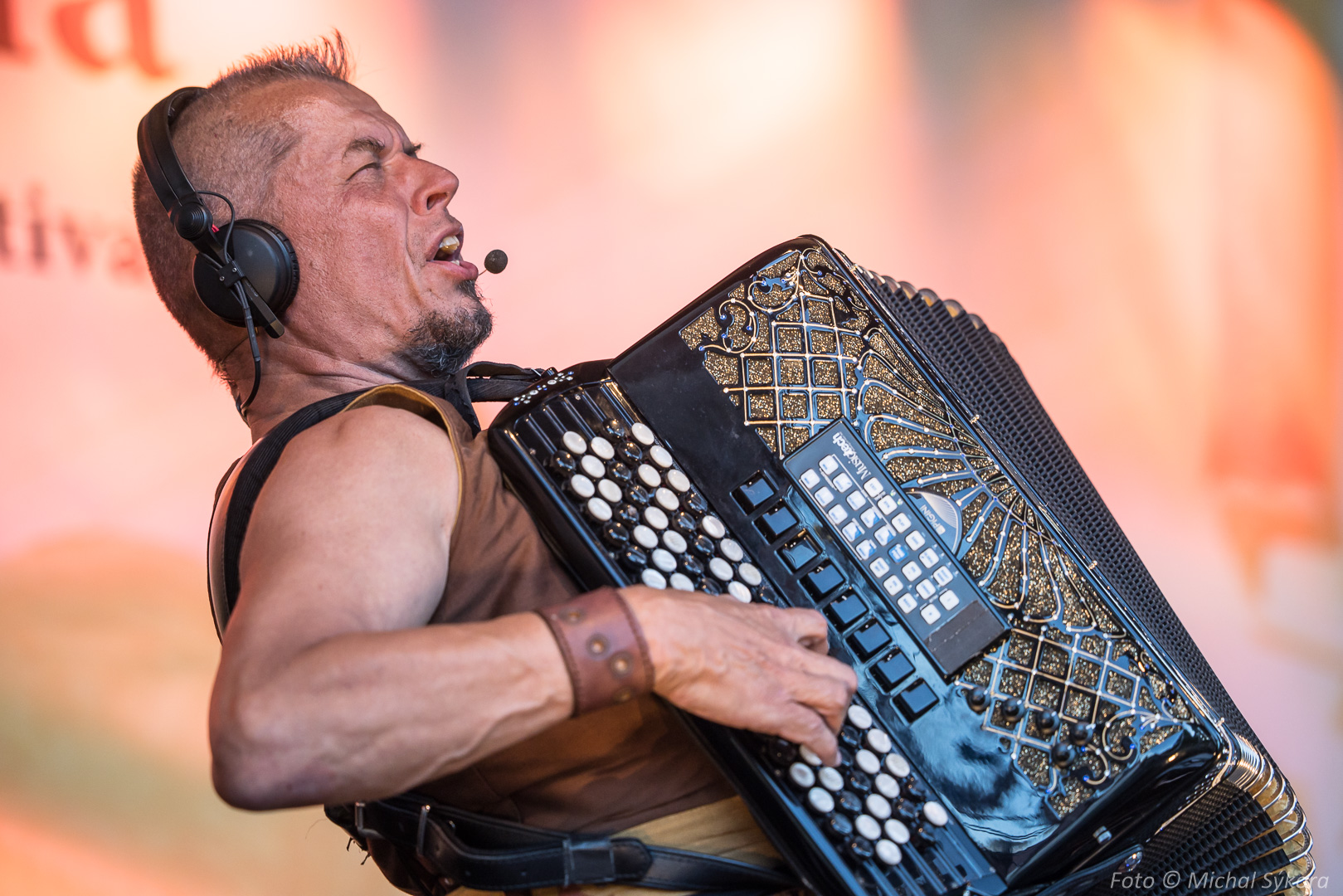
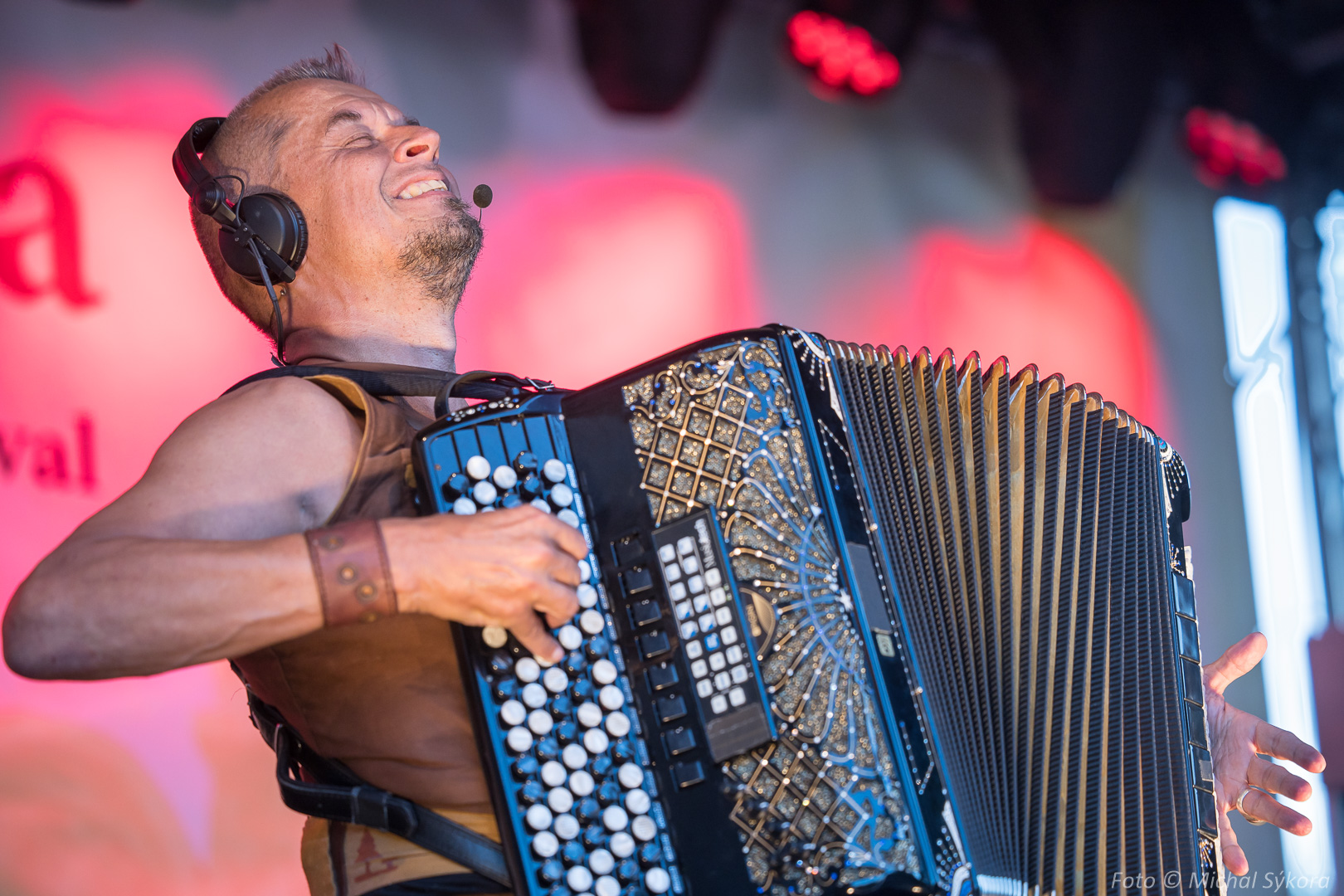
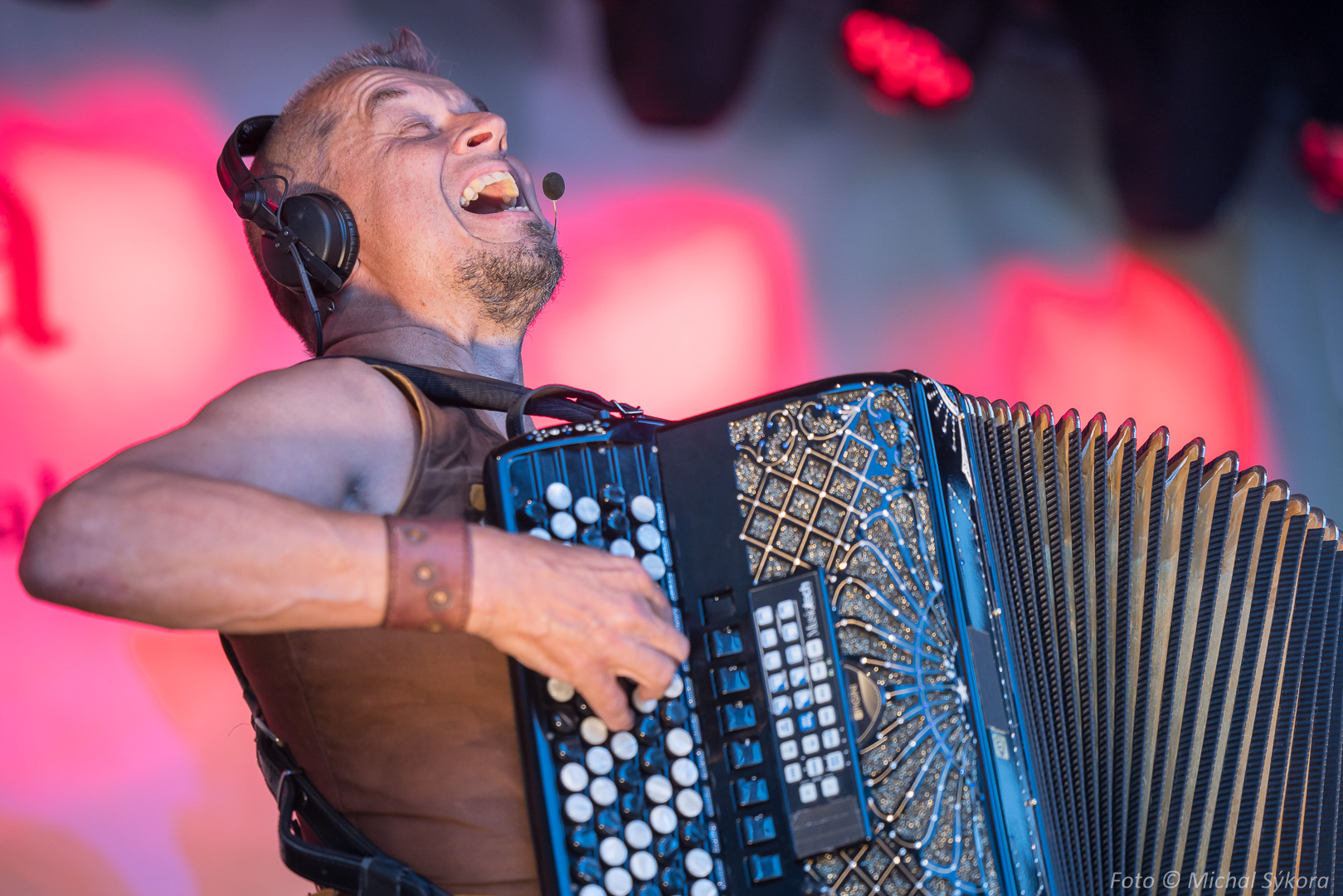
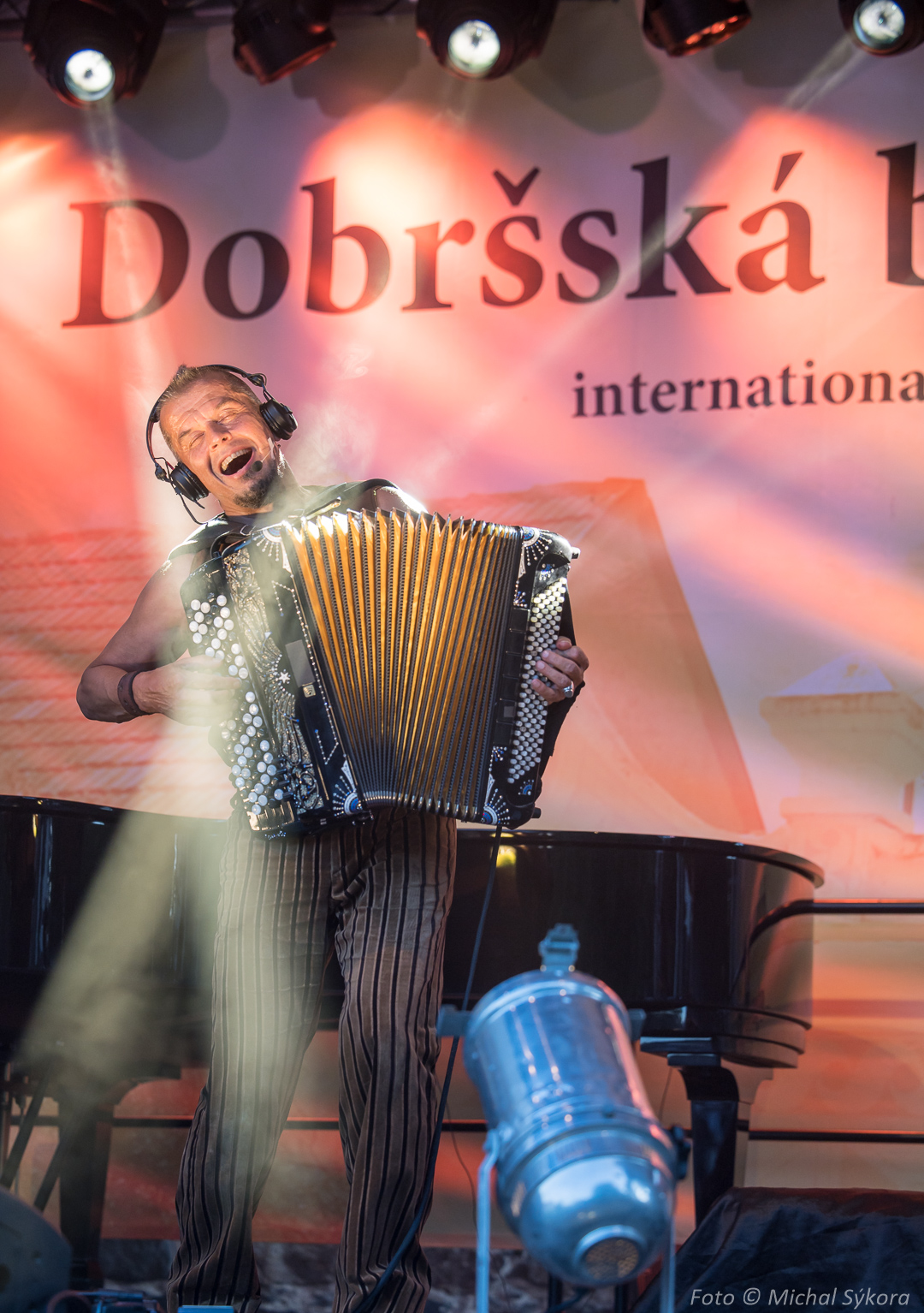
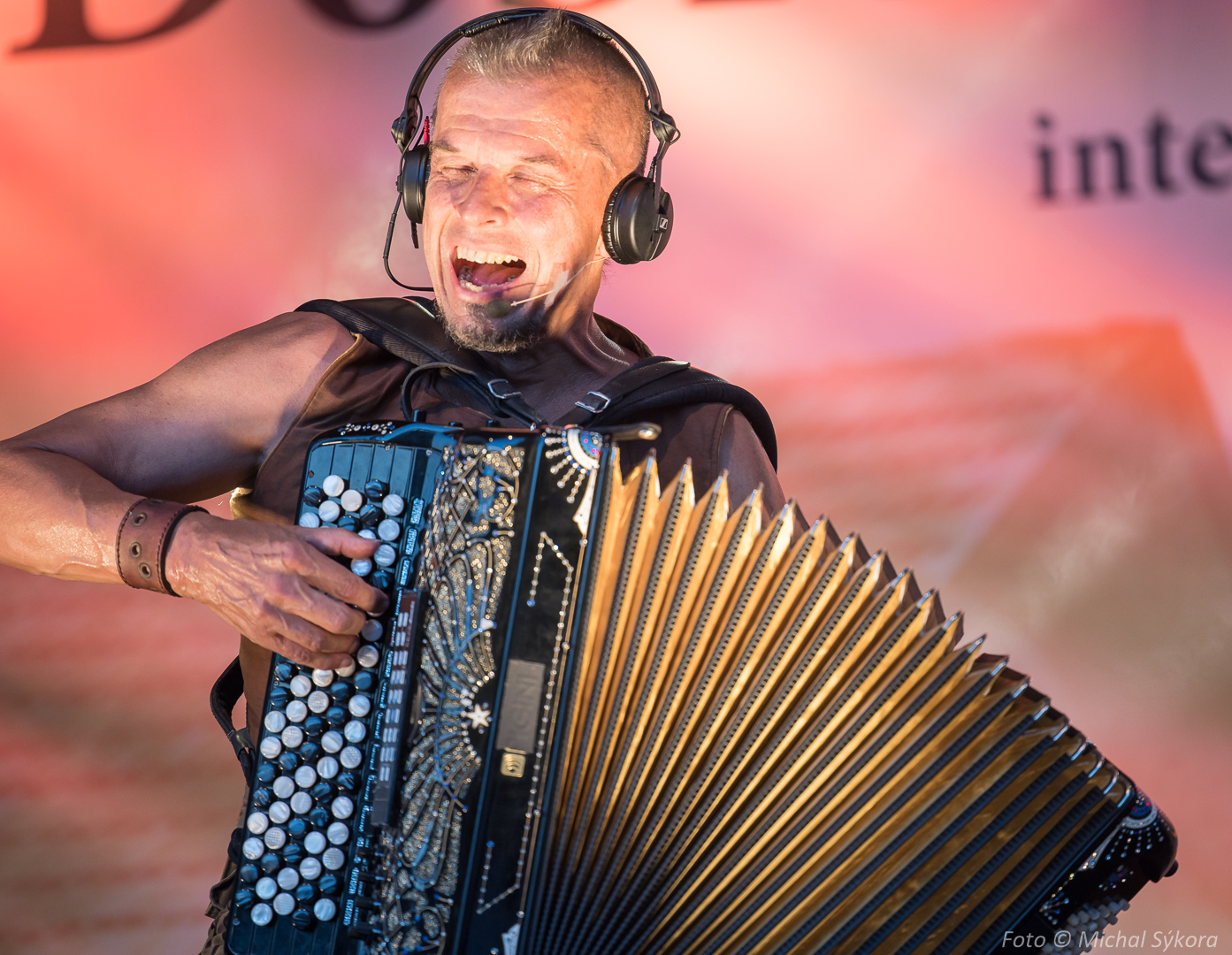
It was an extraordinary performance, enhanced by the brilliant lighting – it looked as though Kimmo was dancing right amongst the beams of light. To be honest, though, it didn’t do it for me, and I searched in vain for a way to get into it and lose myself in the moment. Unfortunately, I didn’t manage it and actually felt like a detached observer, searching in vain for the music. During the set, Kimmo sympathetically expressed a clear, uncompromising stance against war, and at the end he improvised with Cyril Atef, which worked quite well in several passages.

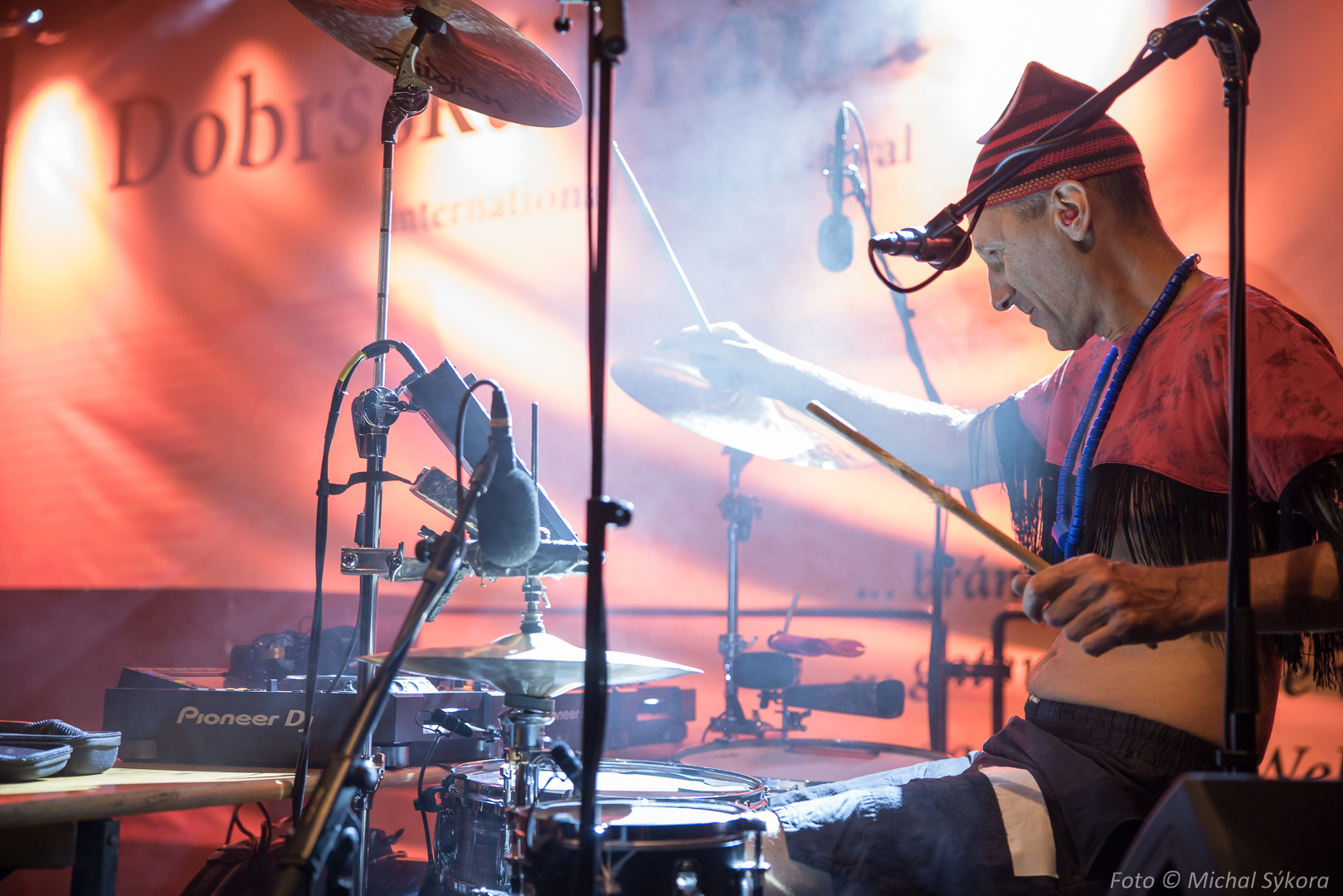
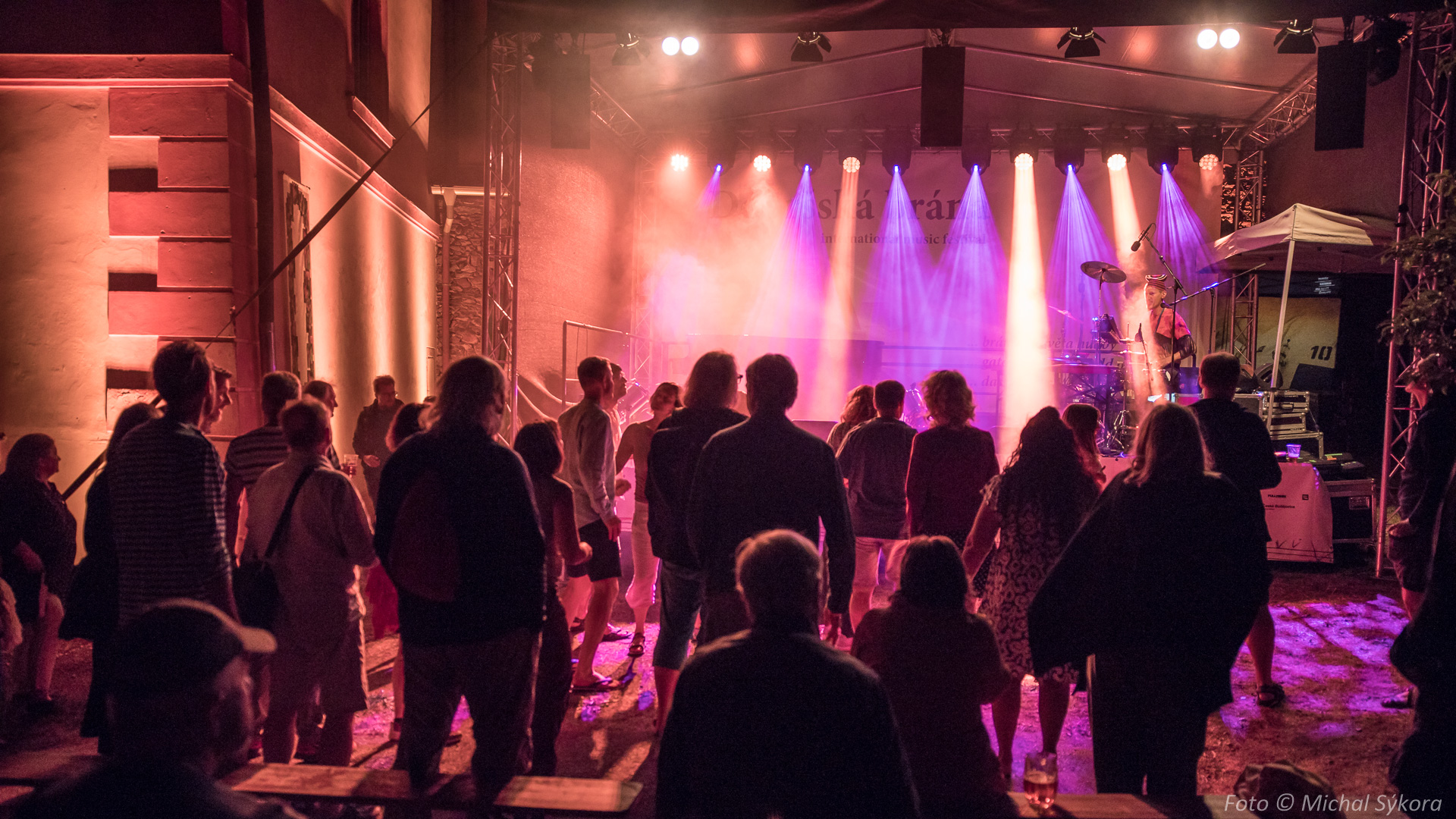
The evening’s finale was provided by the French-Iranian percussionist Cyril Atef Solo (PAPATEF) in a purely solo performance featuring Cyril Atef (drums, percussion, santur, vocals, electronics). Unfortunately, my fears were realised and the same carnival-style performance from a few years ago was repeated – one from which I’d had to make a beeline for the exit after just a few minutes. This year was no different, and the call to ‘come and party’ meant only one thing to me… heading off to bed to recharge my batteries for the festival’s Saturday programme, which I expected to be far more successful.

Štítky