



The First Two Days at the Enter Enea Festival 2026, Nad Jeziorem Strzeszyńskim, Poznań, May 31–June 1, 2026
The Enter Enea Festival has its own unique charm, and we fell in love with it right from our first visit in 2023. Since I missed it last year, I was immediately pleased by one purely practical detail this year—the organizers had finally replaced the uncomfortable beer benches with chairs. The difference in comfort is night and day, and you can appreciate the music much better when your back isn’t aching.
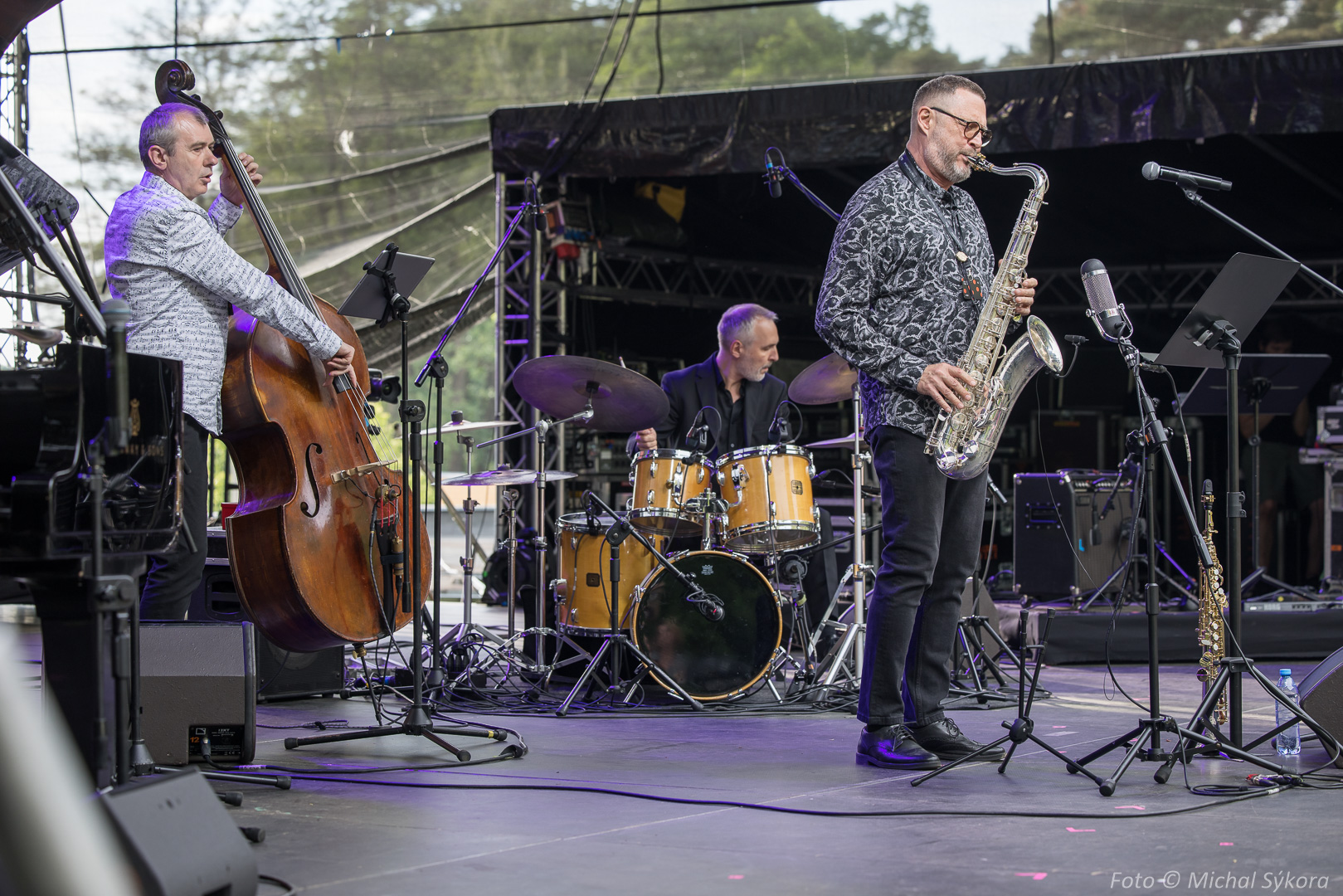
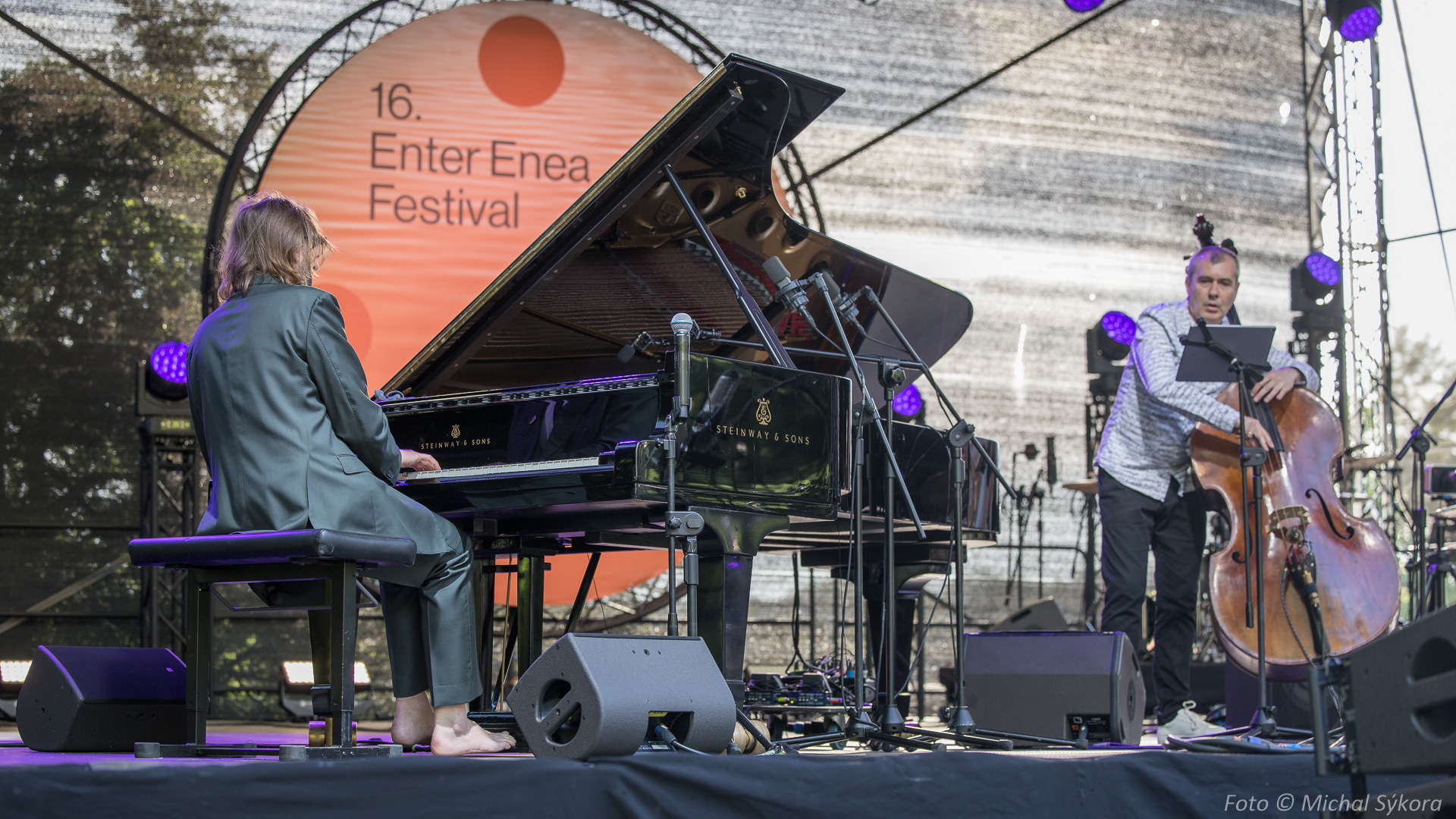
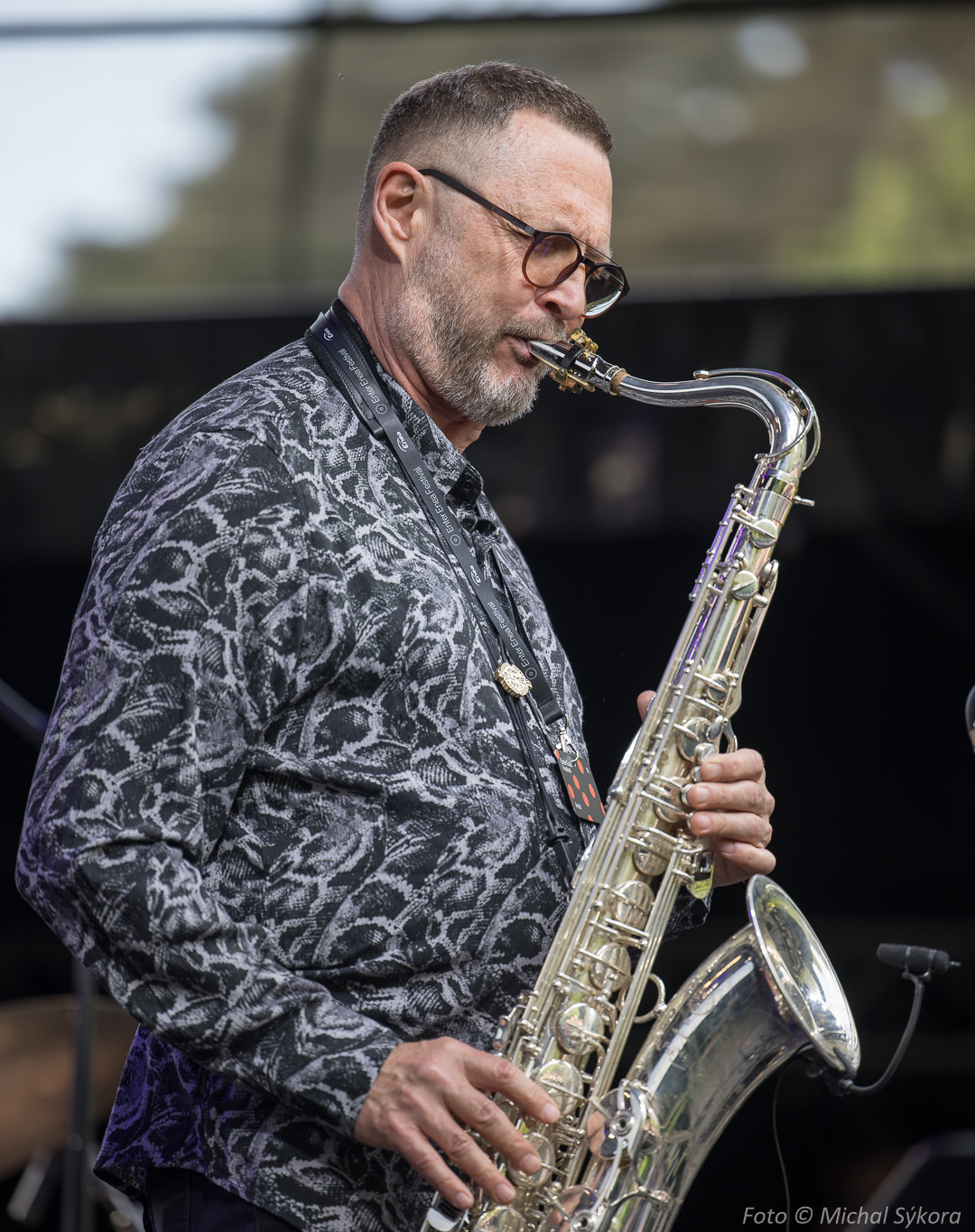
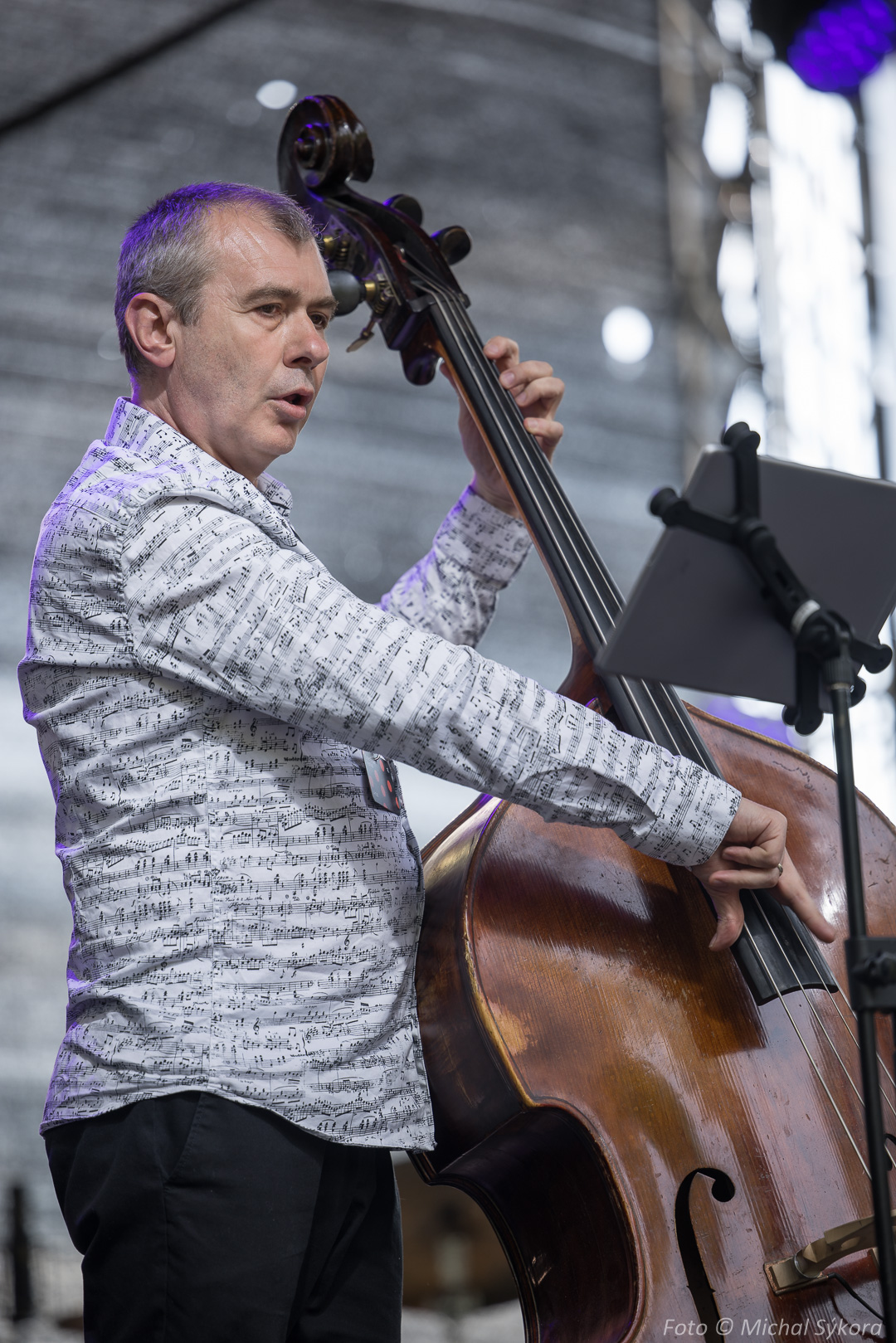
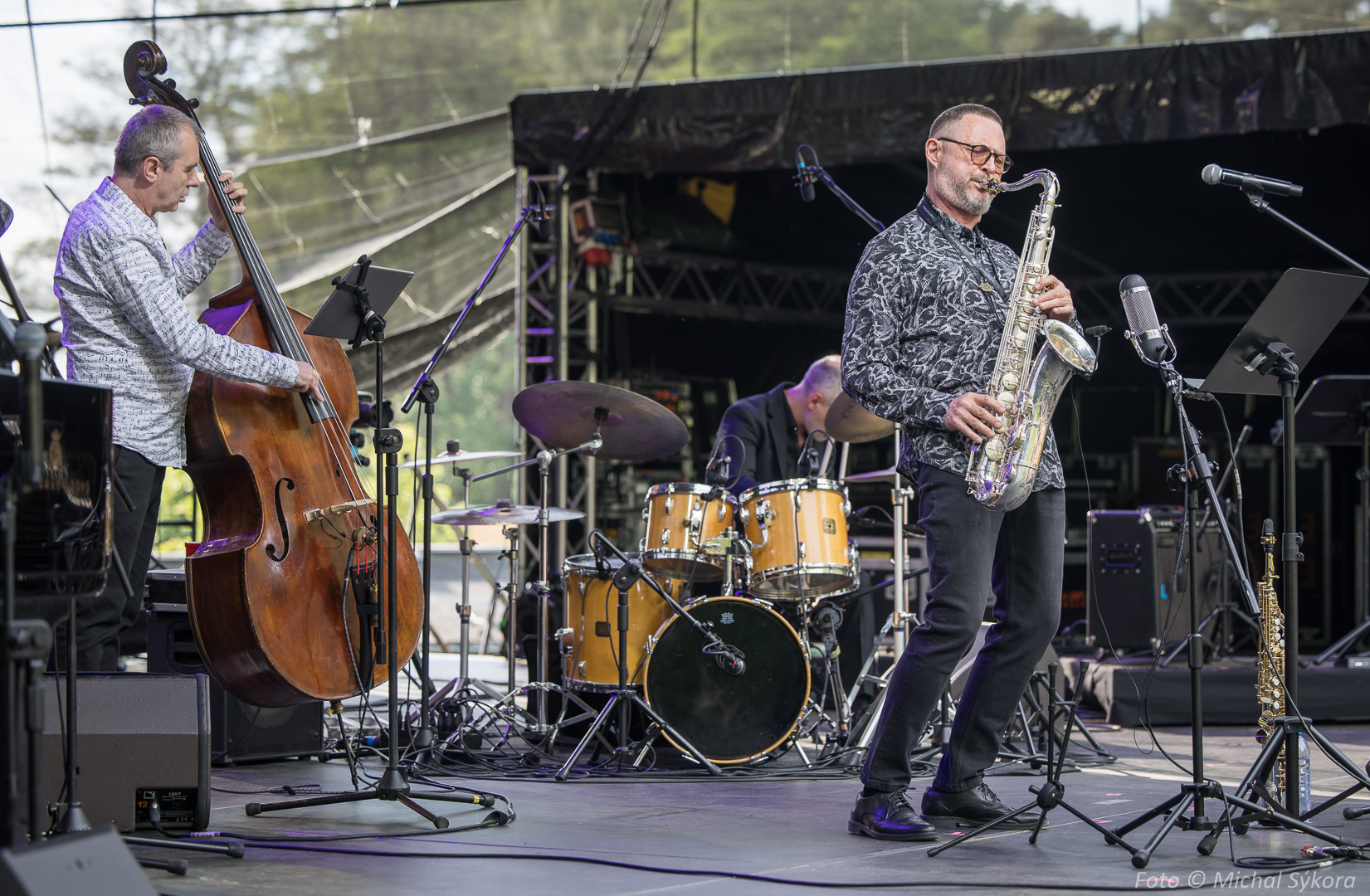
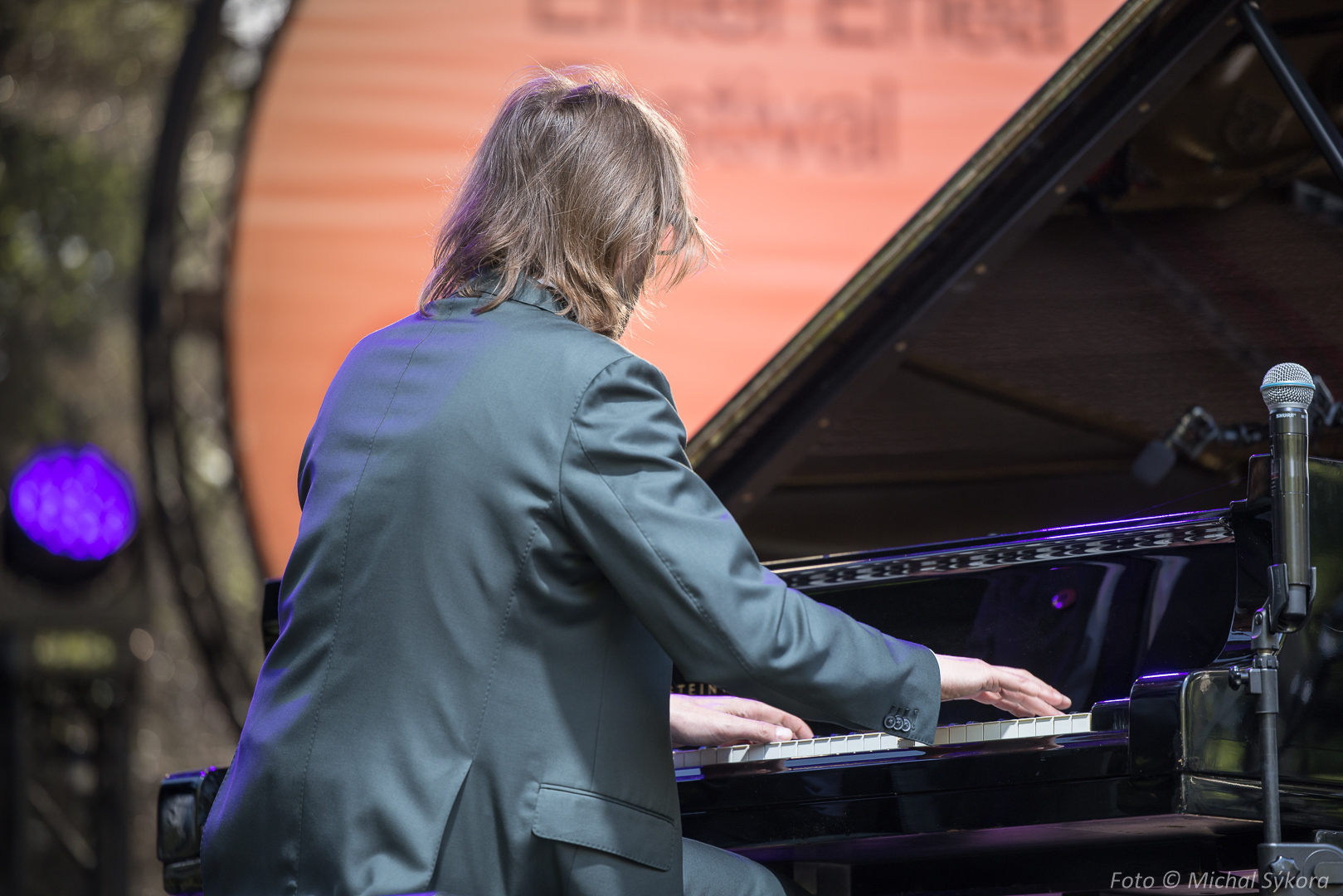
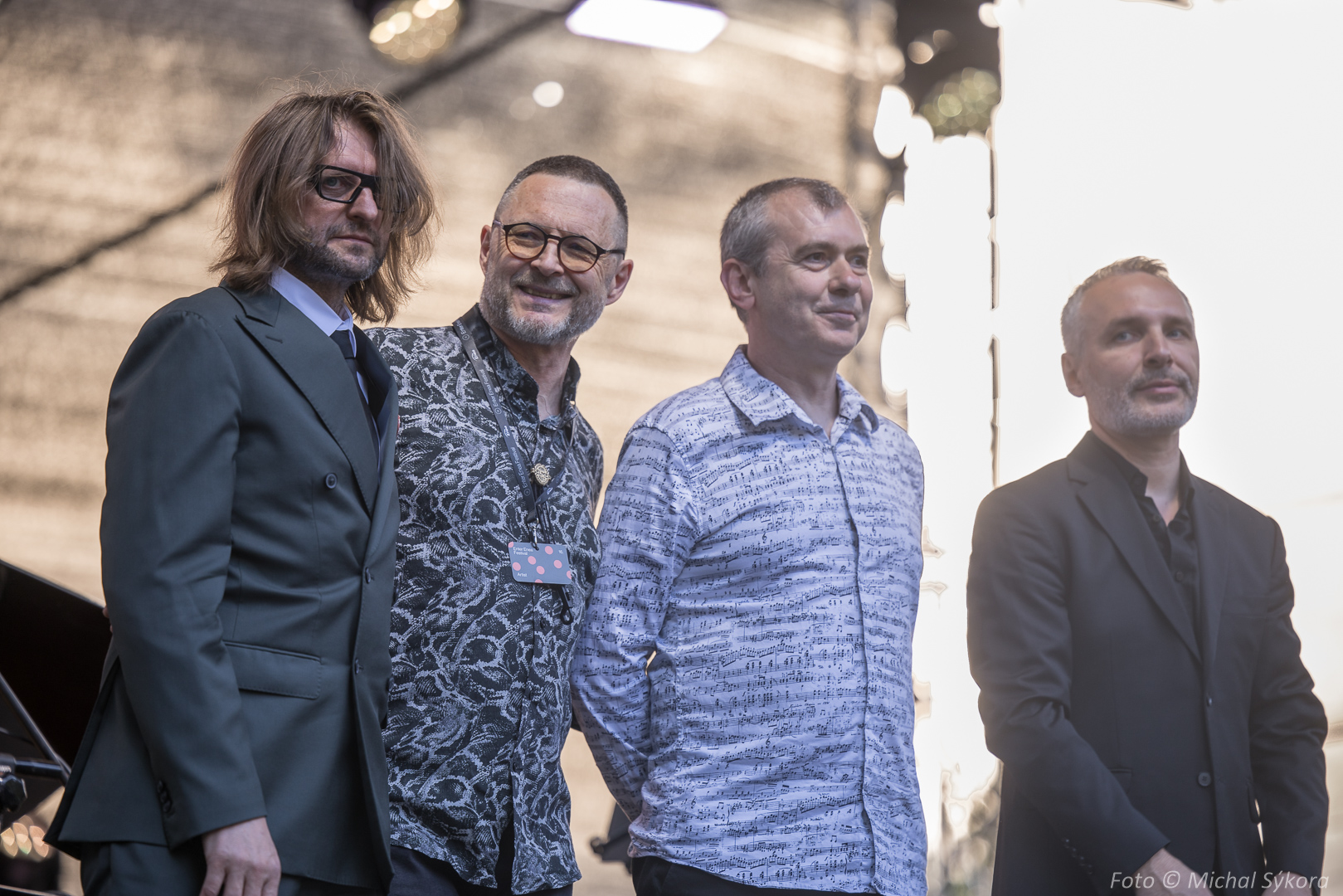
The Maciej Sikała Trio set the bar very high right from the start. Their energetic performance is exactly what I expect from a saxophone trio. The piece Blues for Ornette kicked off with an incredibly inventive, ethereal bass solo that, while lacking traditional melody, perfectly set the stage for the ensuing avant-garde ride full of unexpected tempo changes. When guest Leszek Możdżer appeared on stage, the concert’s dynamics transformed into a magical experience. In Man and His Beauty, his crystal-clear piano playing transported us from the waters of bebop into the realms of modern jazz, and Sikała literally worked his magic on the soprano saxophone. It was very compelling, and Możdżer stayed with the trio until the end, including for the next piece, Prophecy. He greatly enriched the trio’s sound, and the concert became a very successful opening to the festival.

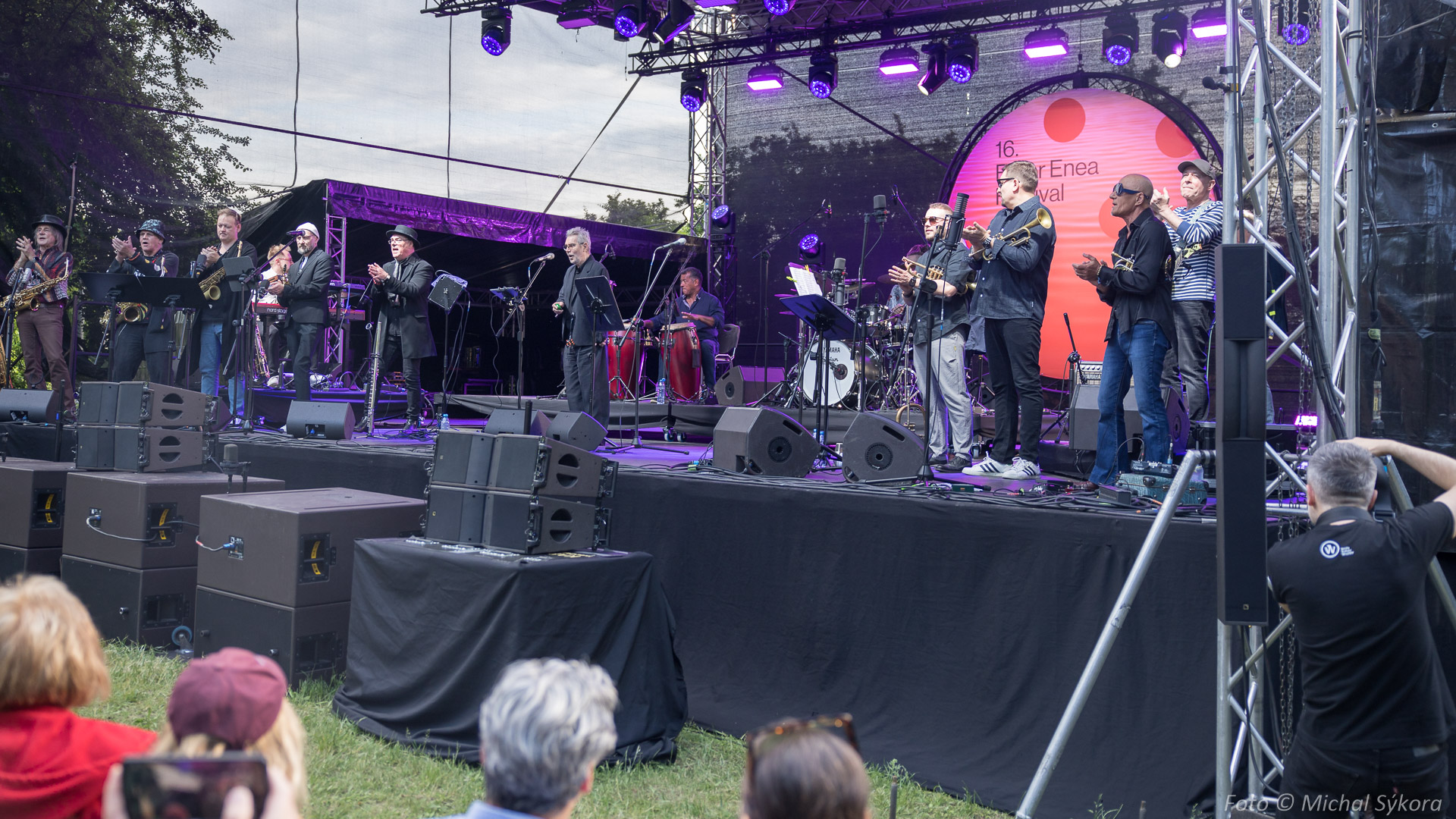
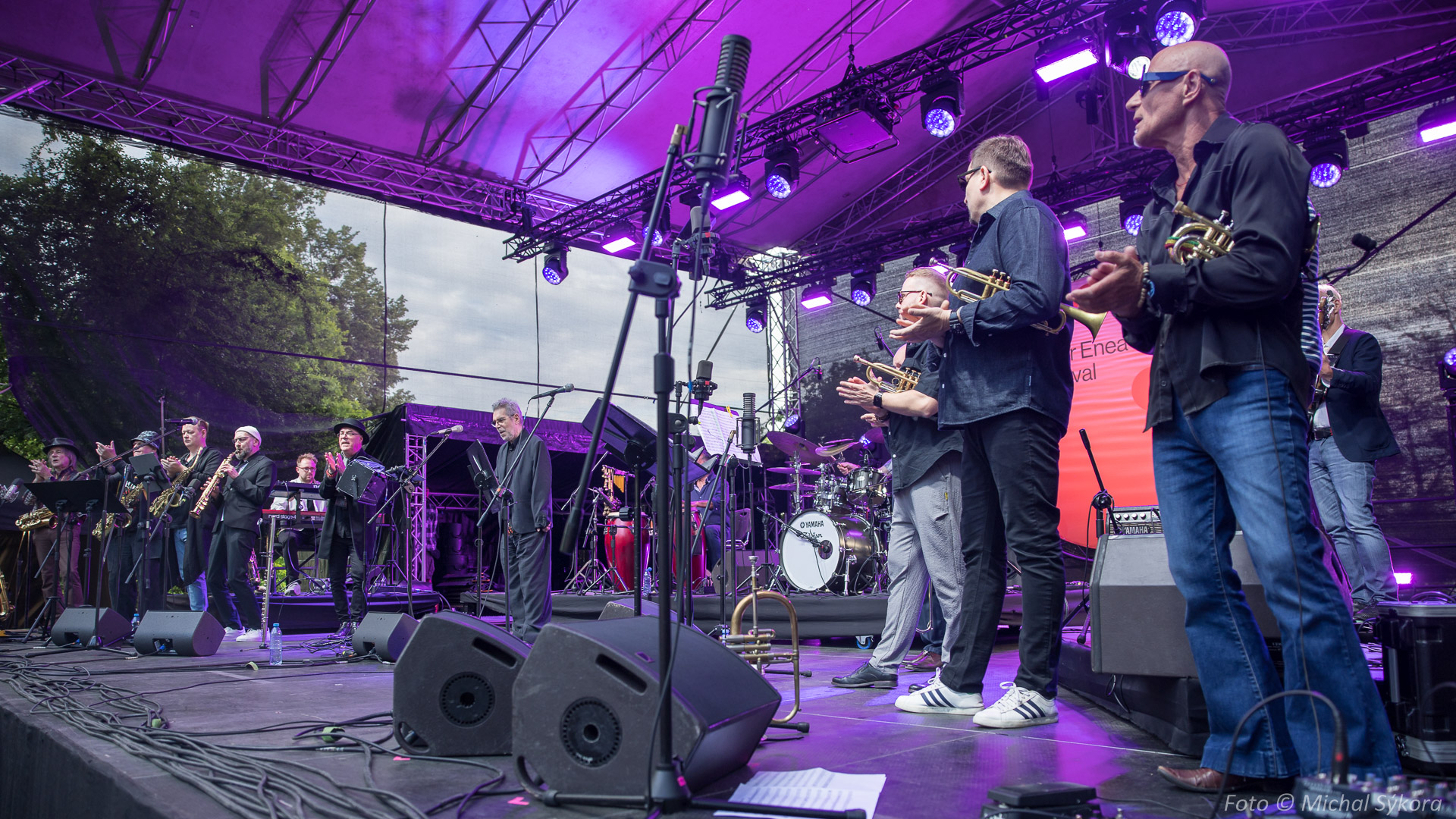
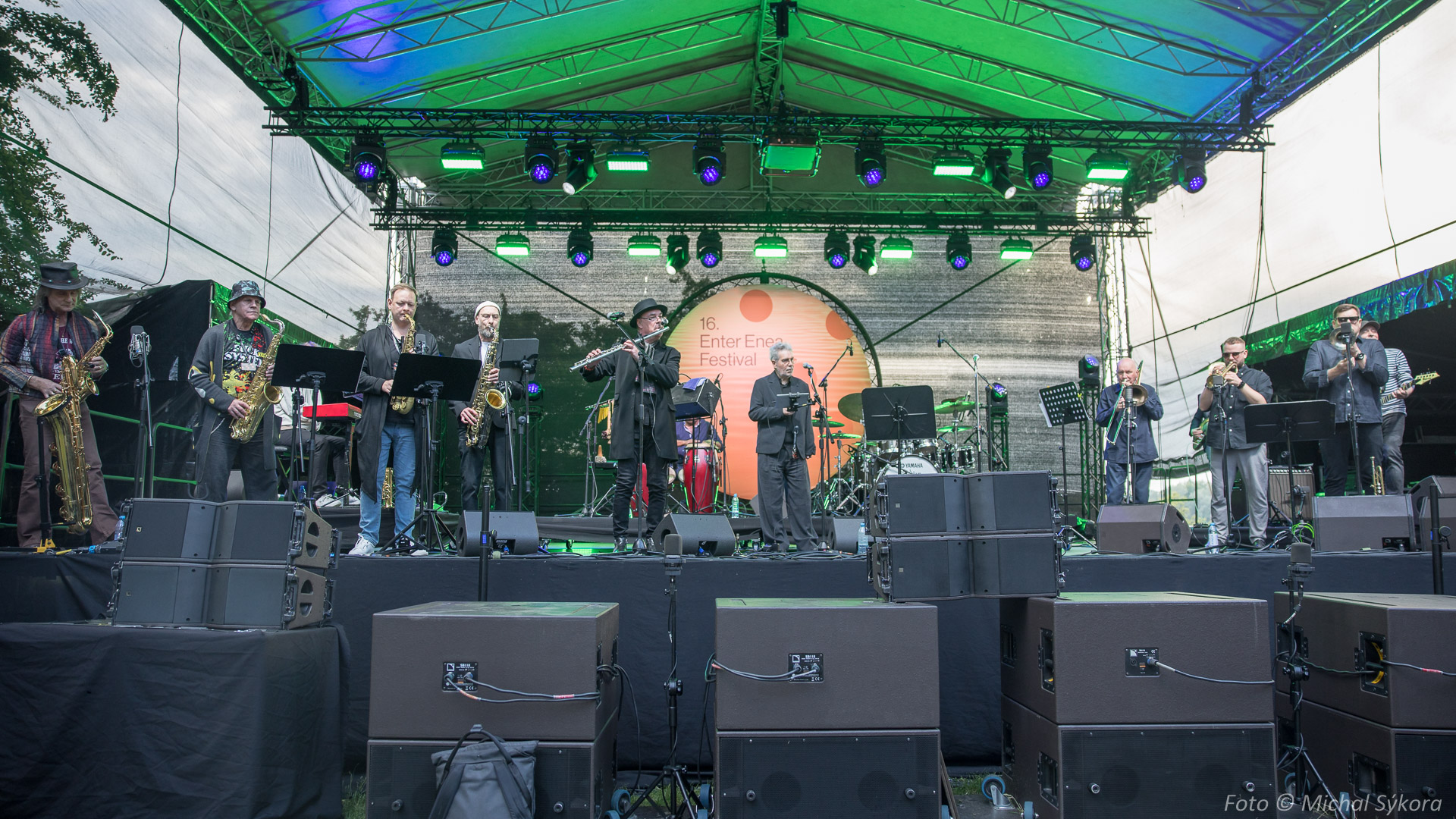
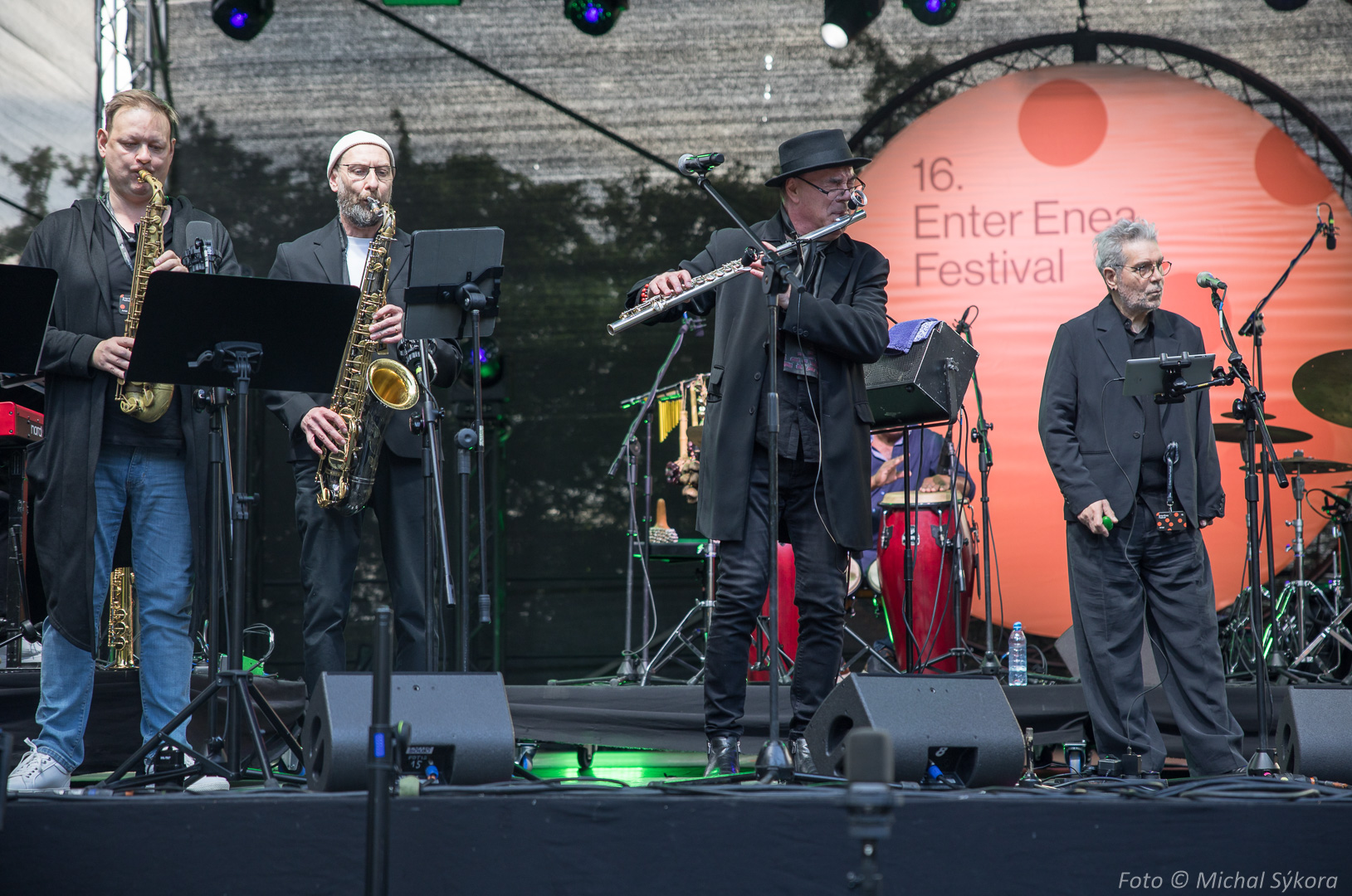
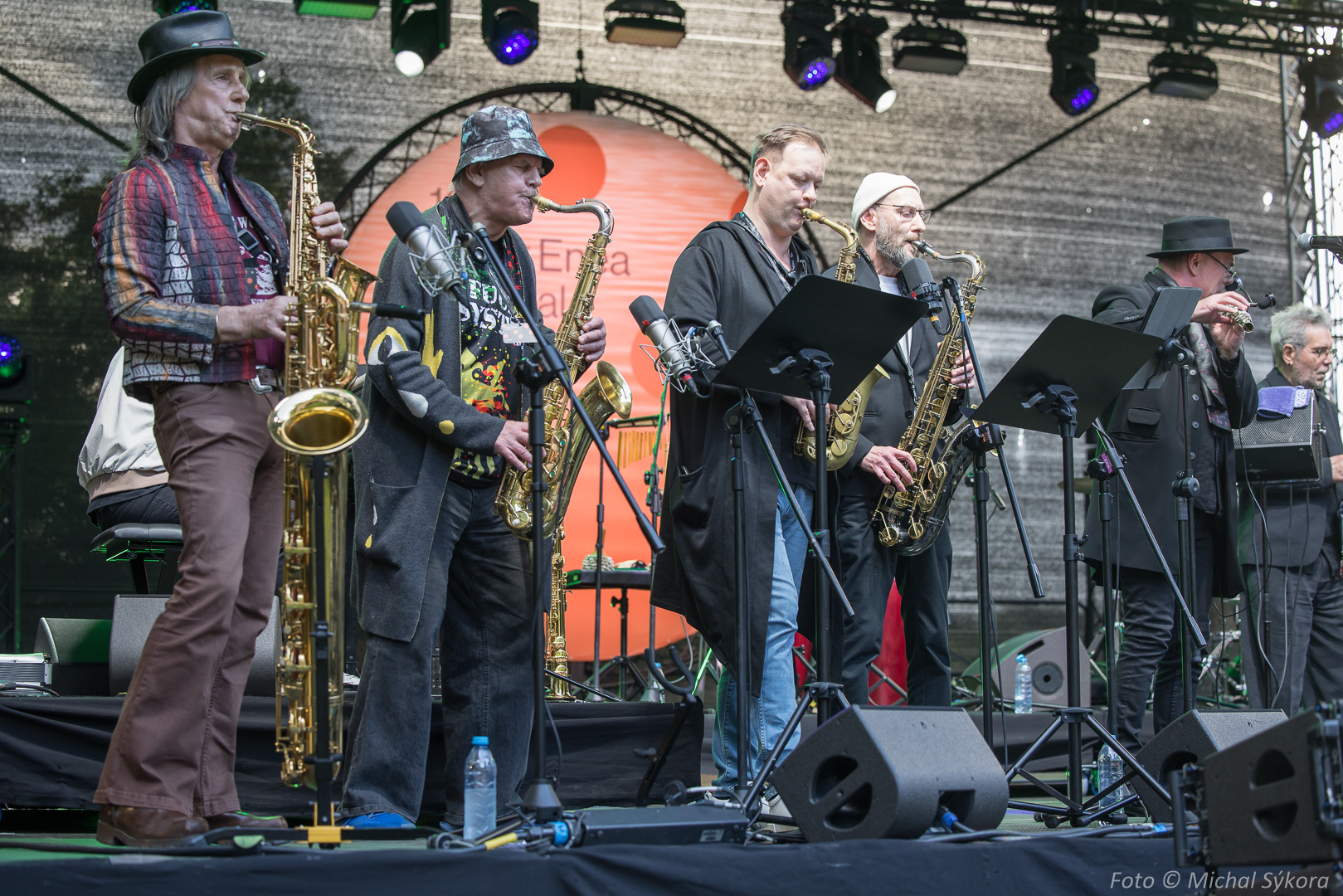
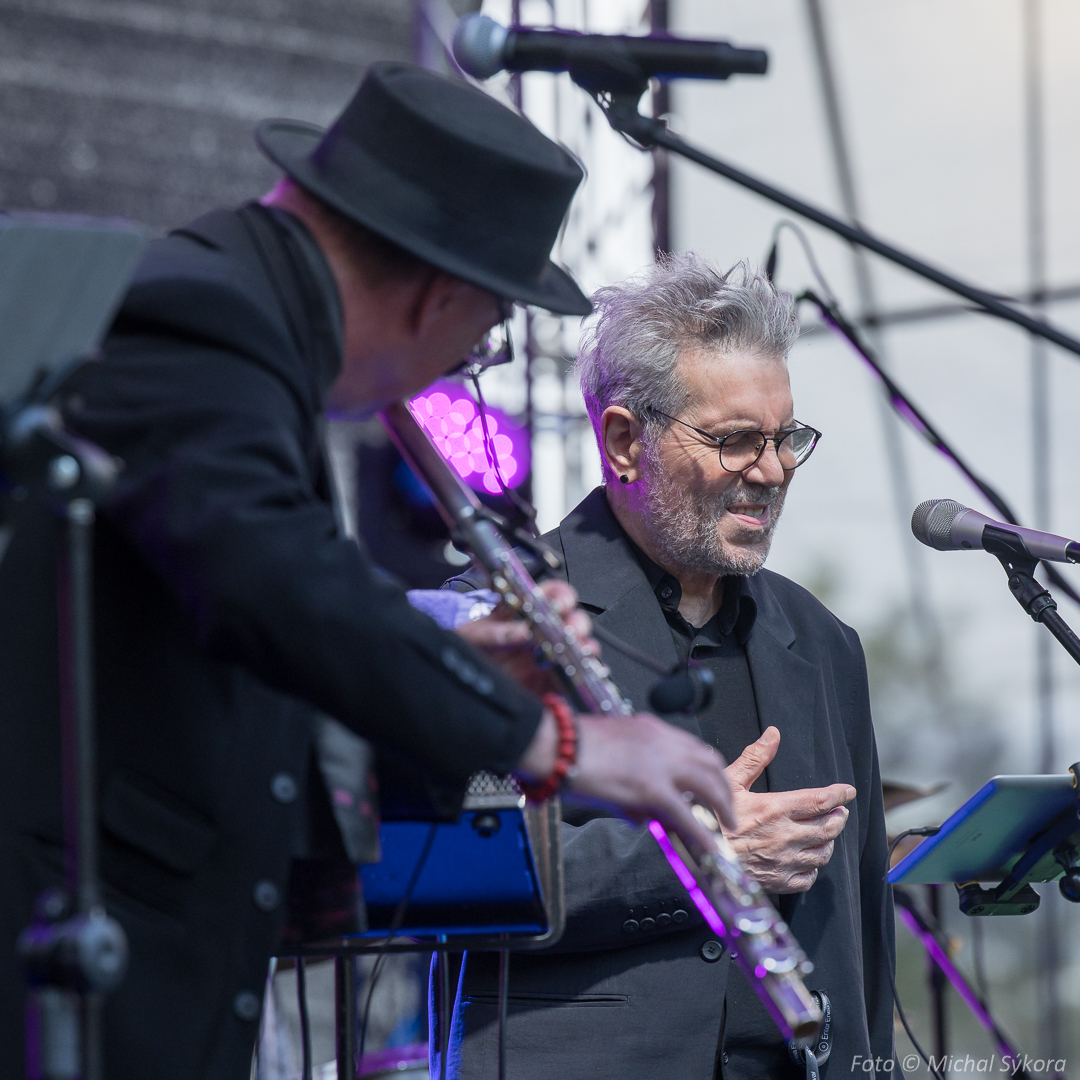
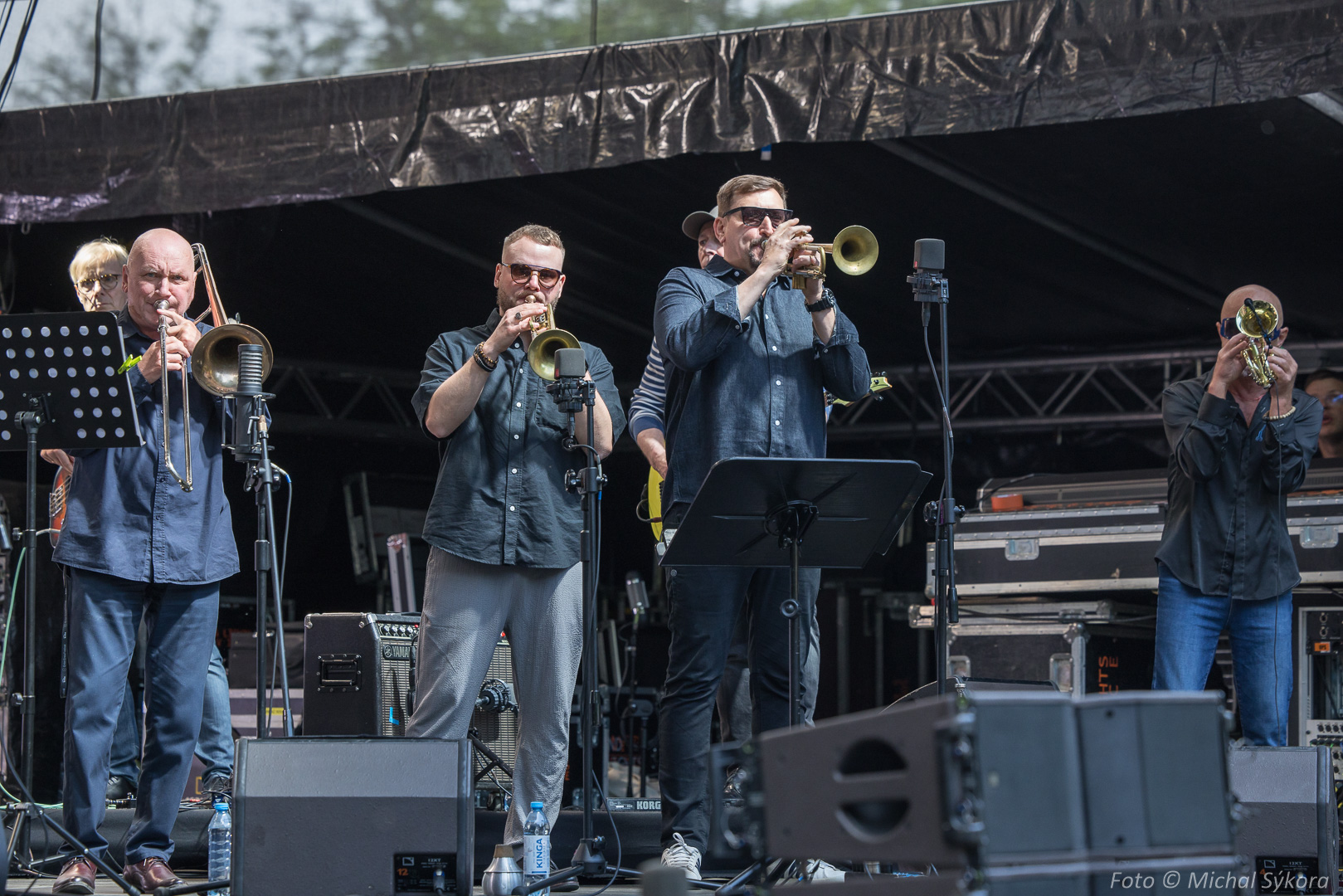
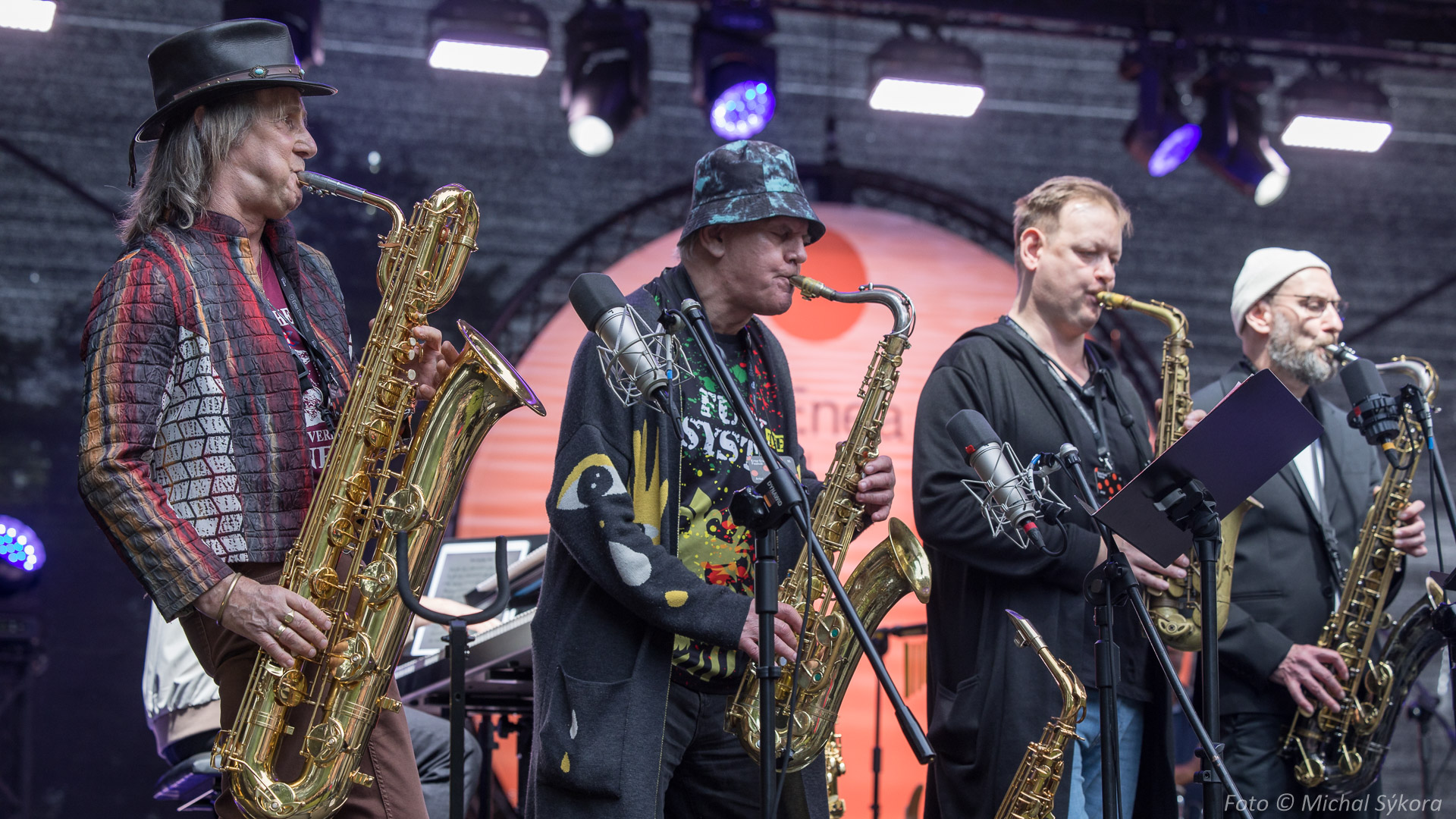
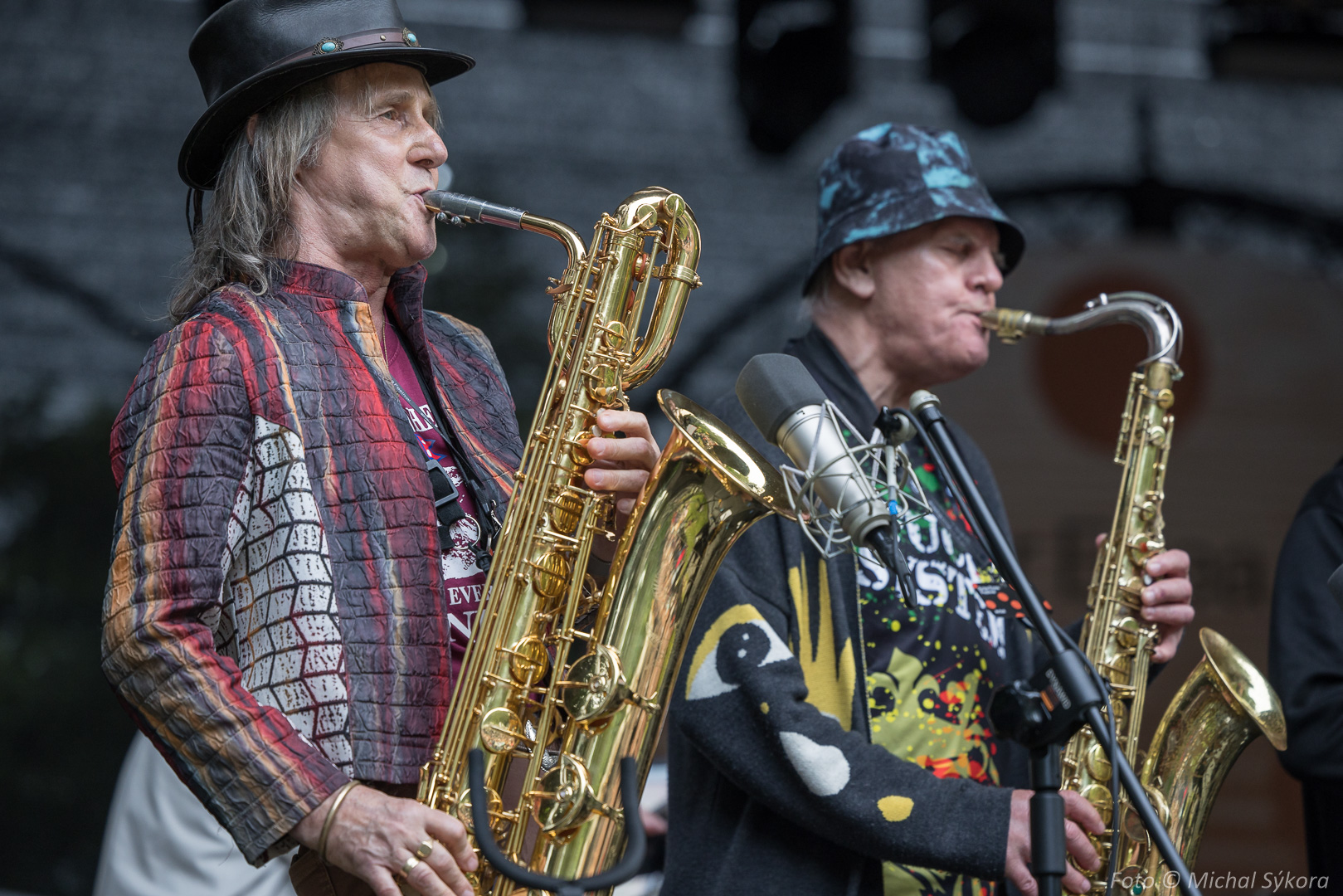
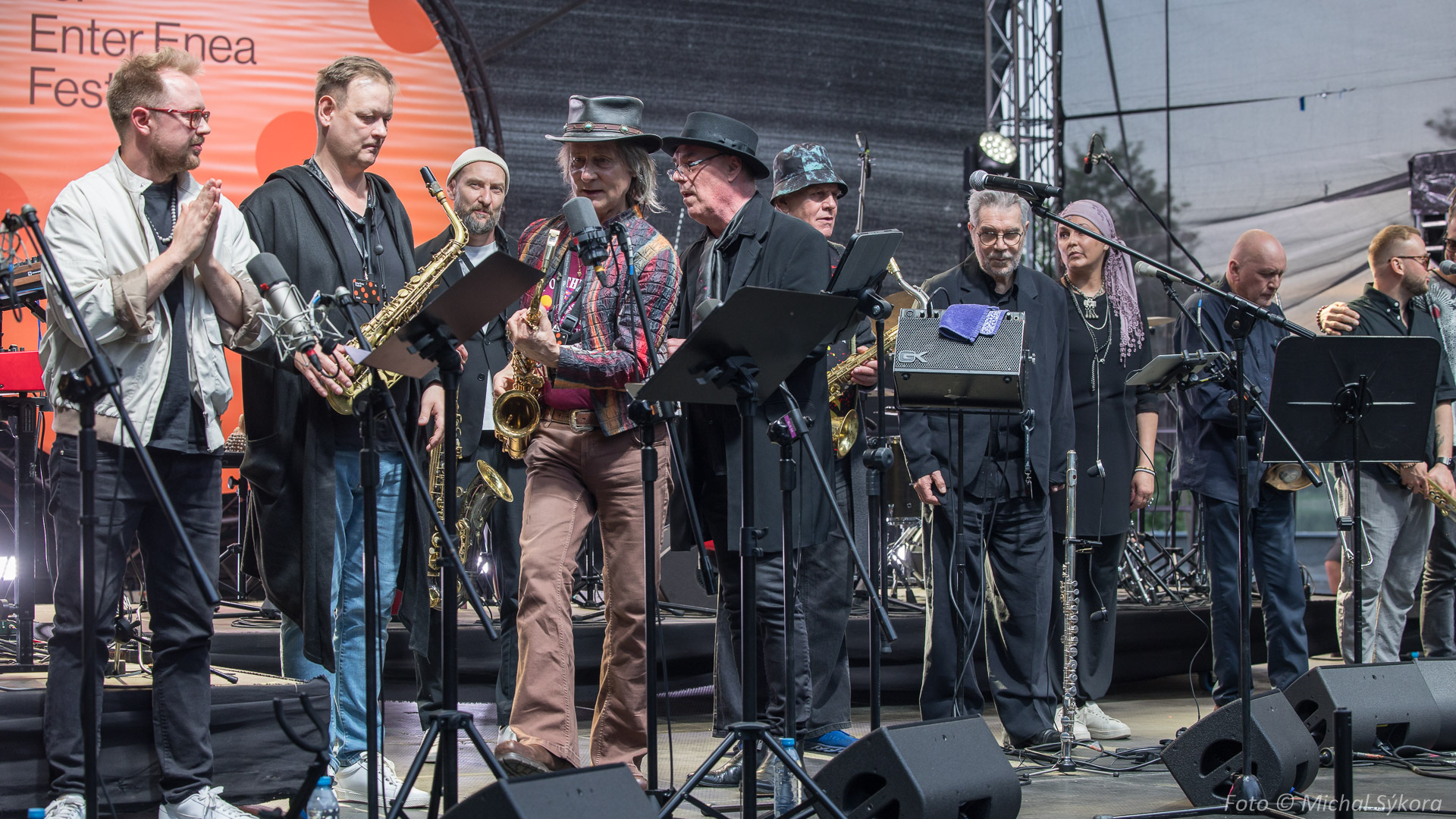
Unfortunately, the following set by Young Power New Edition didn’t leave me with such clear-cut feelings. The opening, with musicians gradually taking the stage until the full big band was assembled, promised an exciting funk-fusion ride, but the result felt more like a nostalgic trip down memory lane to a time long gone. This really wasn’t my cup of tea, and I honestly didn’t understand the standing ovation at the end. But the other Michal enjoyed it, so check out the video and judge for yourselves…

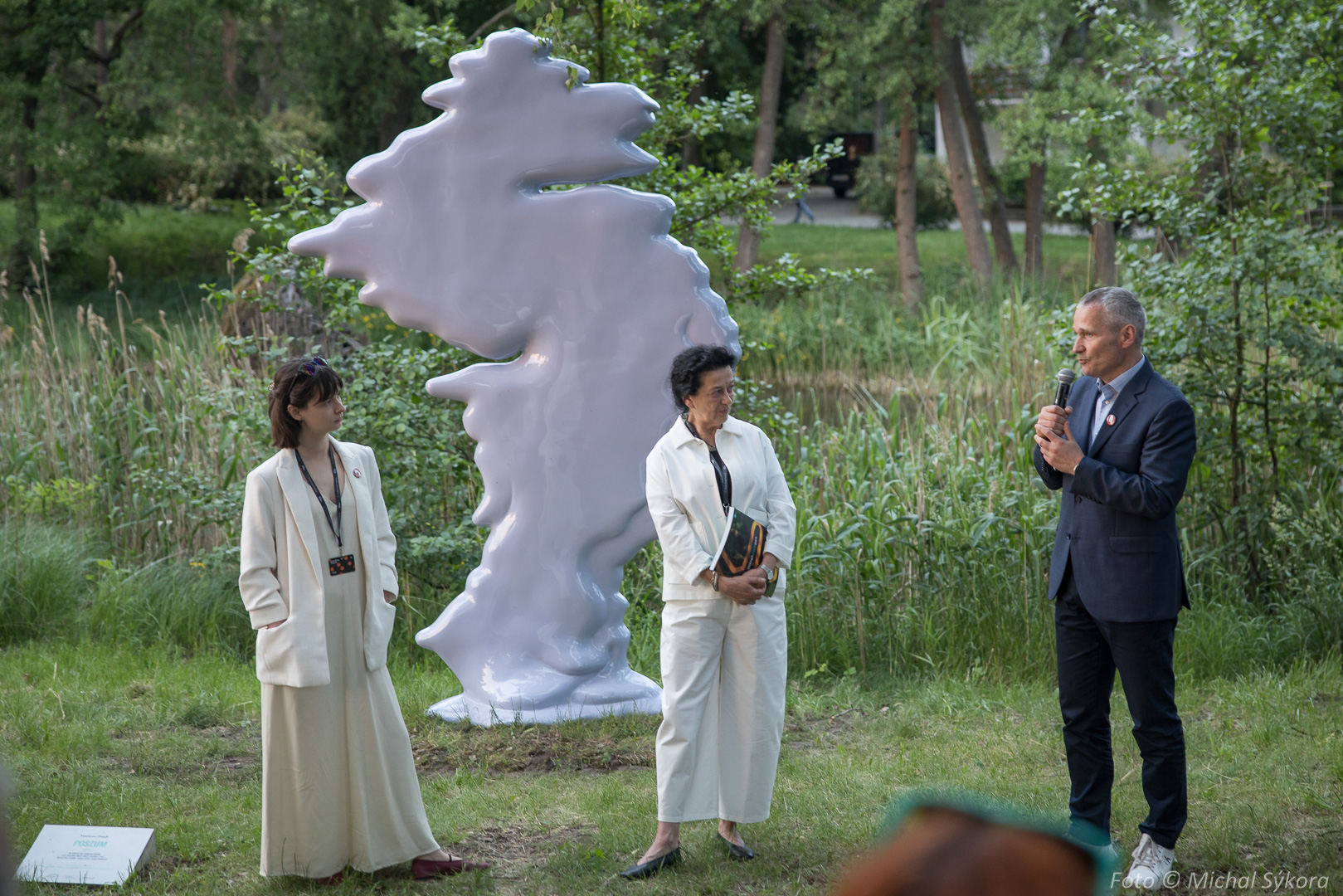
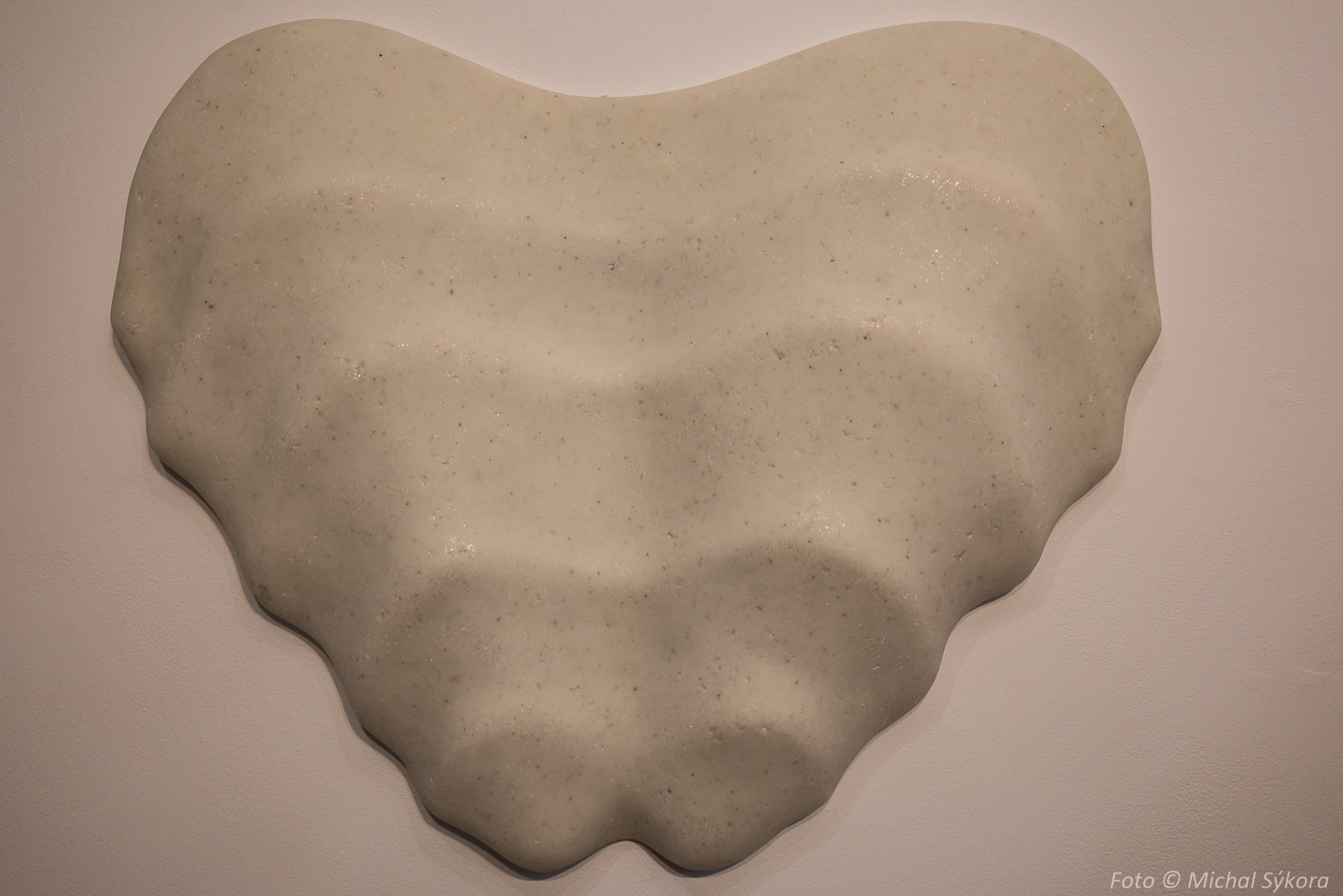
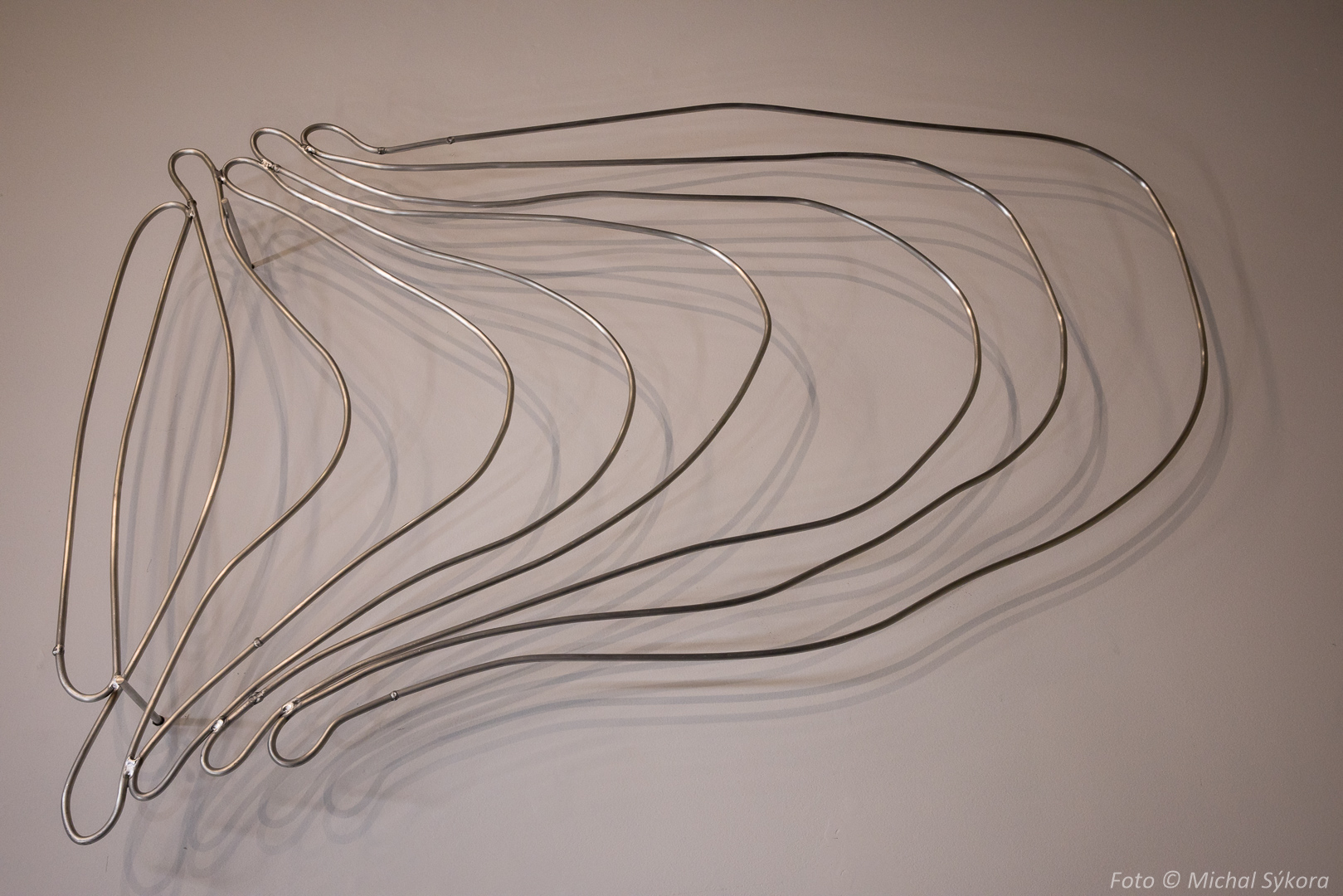
Then, as is our custom, we headed to the park to admire Martyna Pajak’s newly unveiled artwork, and we also stopped by the ABC Gallery for the opening.
The second day of the festival, curated by John Zorn, offered a completely different dynamic, and once again proved that this man has a knack for bringing together only the very best.
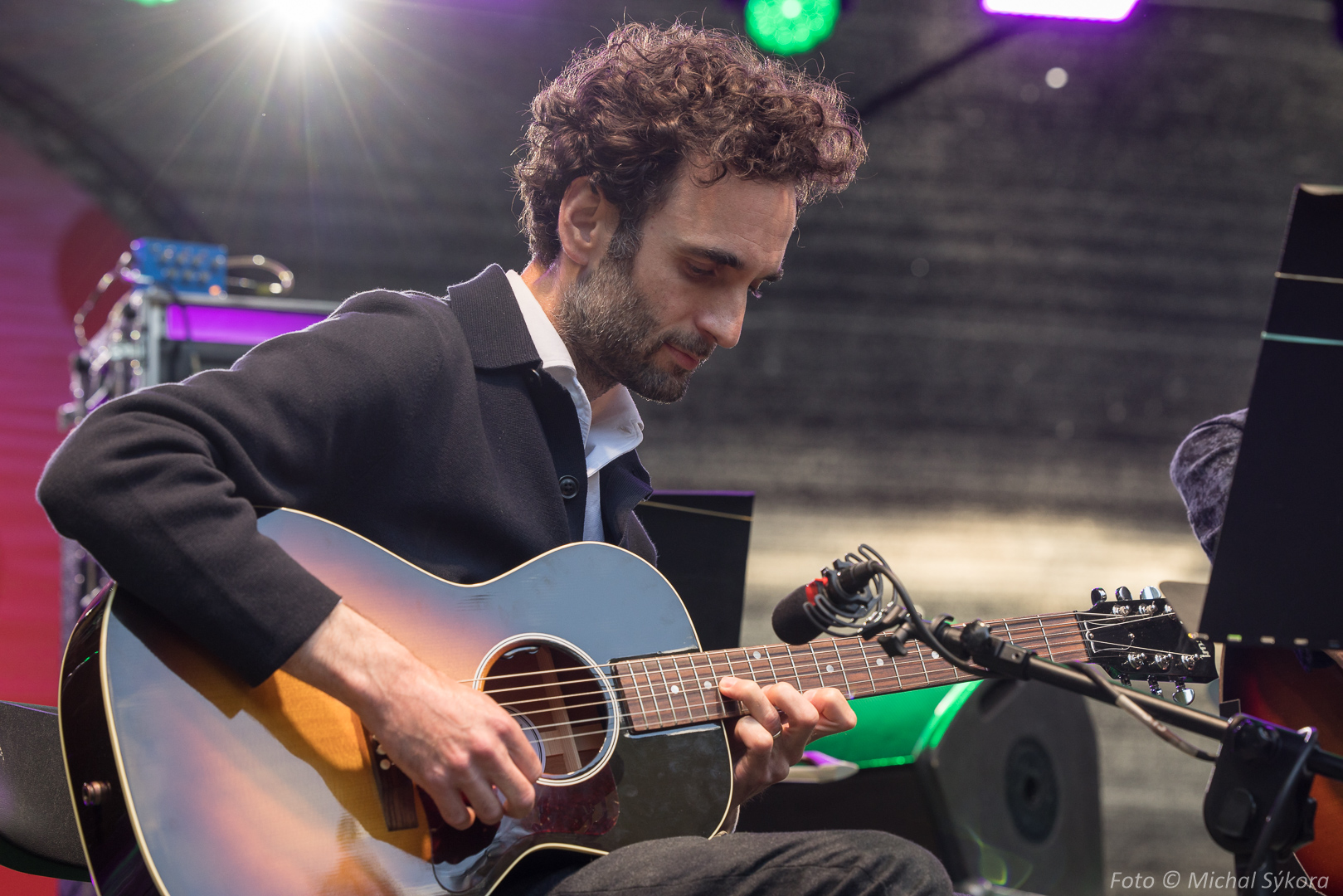
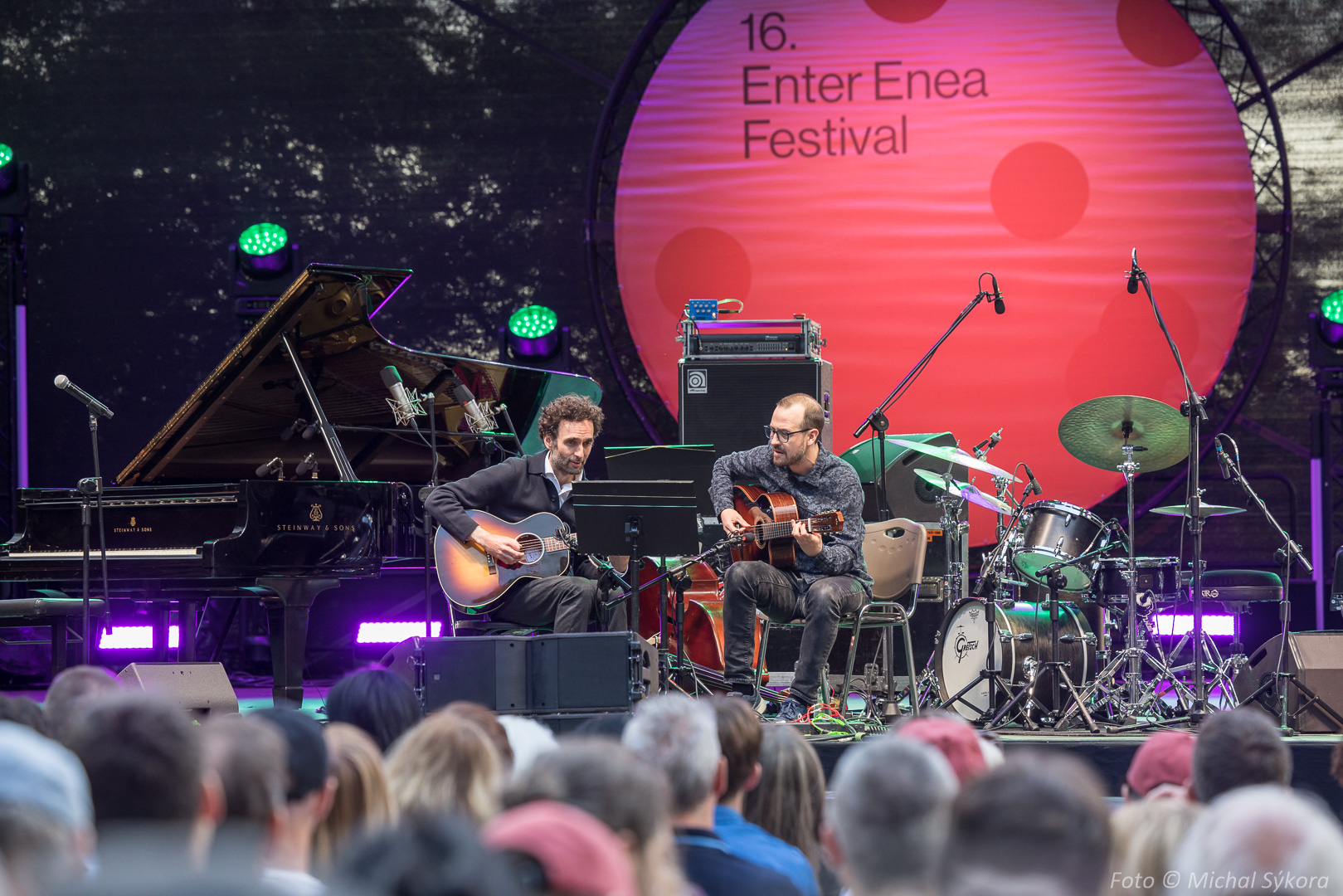
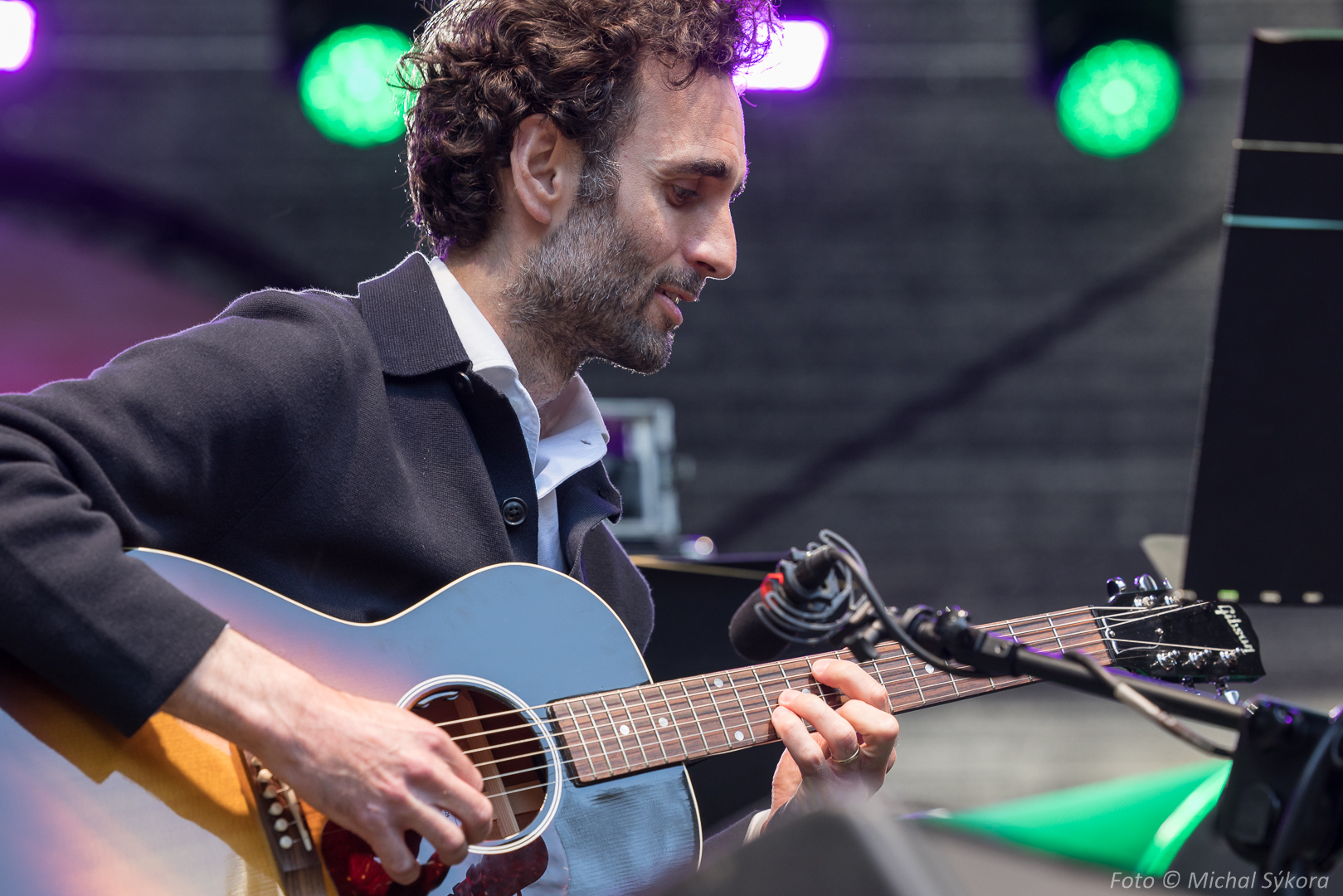
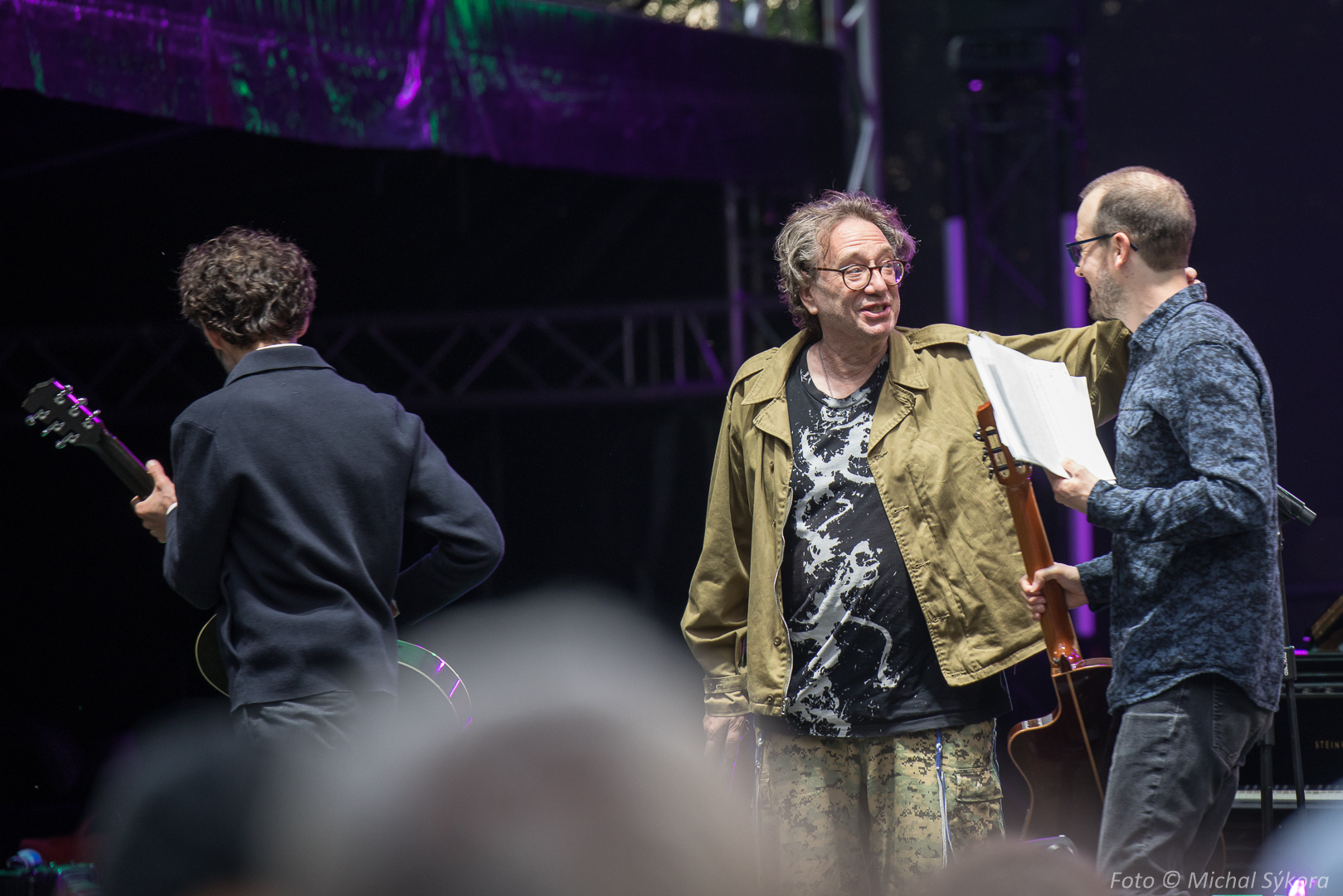
Julian Lage and Gyan Riley, performing Zorn’s compositions, were absolutely captivating. Zorn introduced them to the stage himself, and from the very first notes, it was clear that this would be a concert full of delicate beauty. They began very melodically, with the guitars intertwining, all while the ethereal song of birds filled the air—nature perfectly complemented the evening atmosphere. It was clear that the musicians themselves were aware of this, and they clearly enjoyed this natural accompaniment. Their entire interplay was so pure and heartfelt that even John Zorn himself watched it with visible delight, having settled right on the steps by the stage and not missing a single detail.
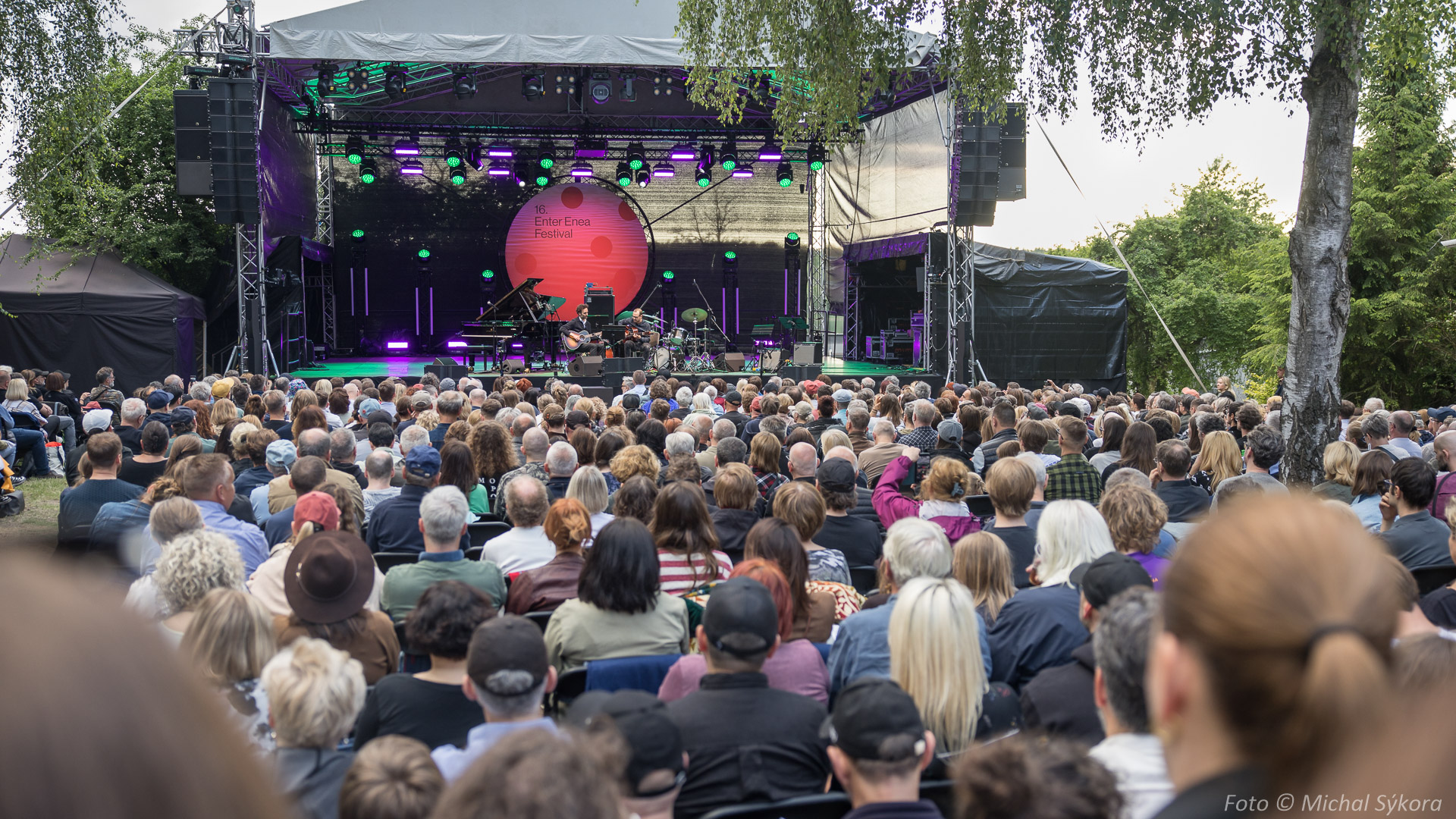
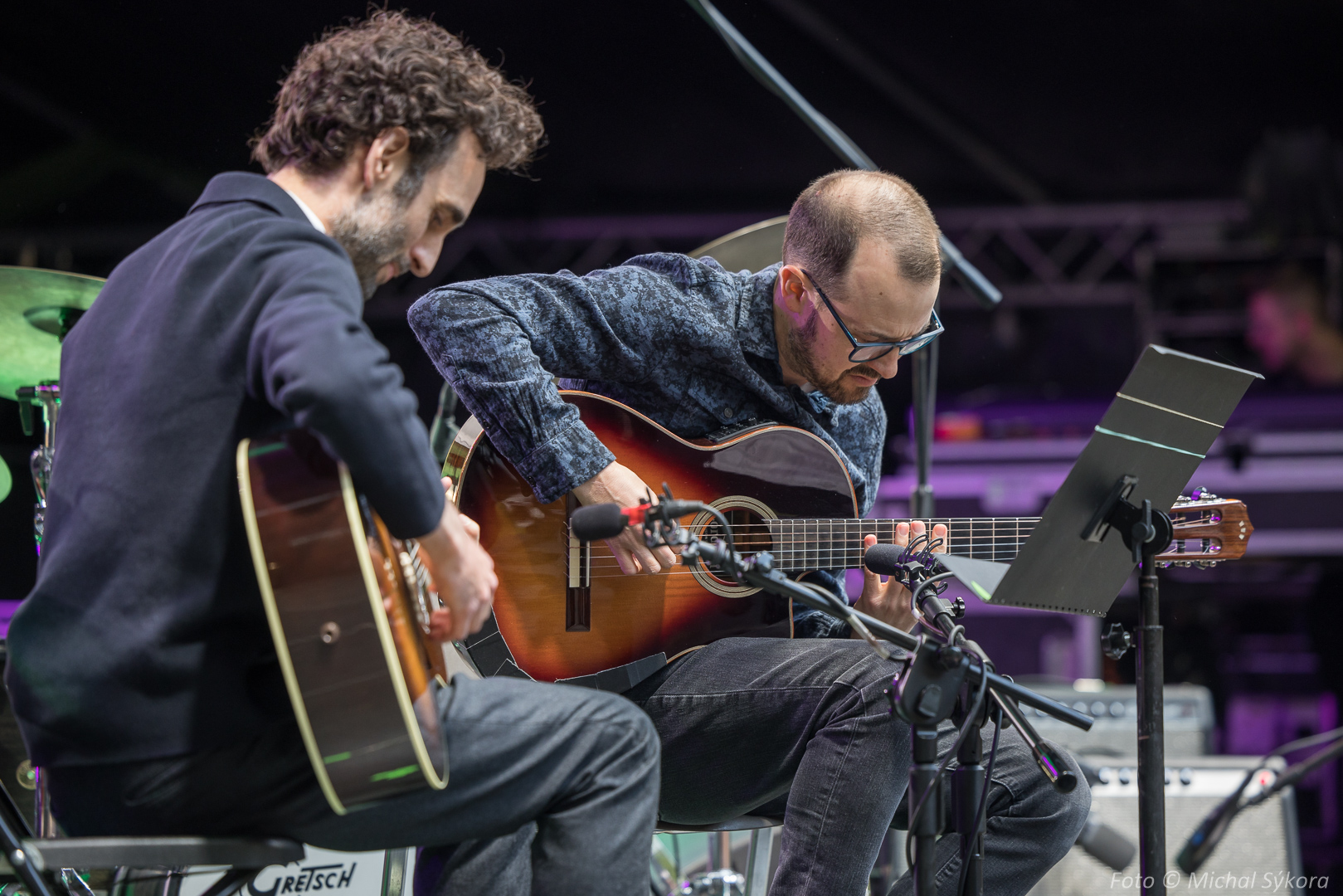
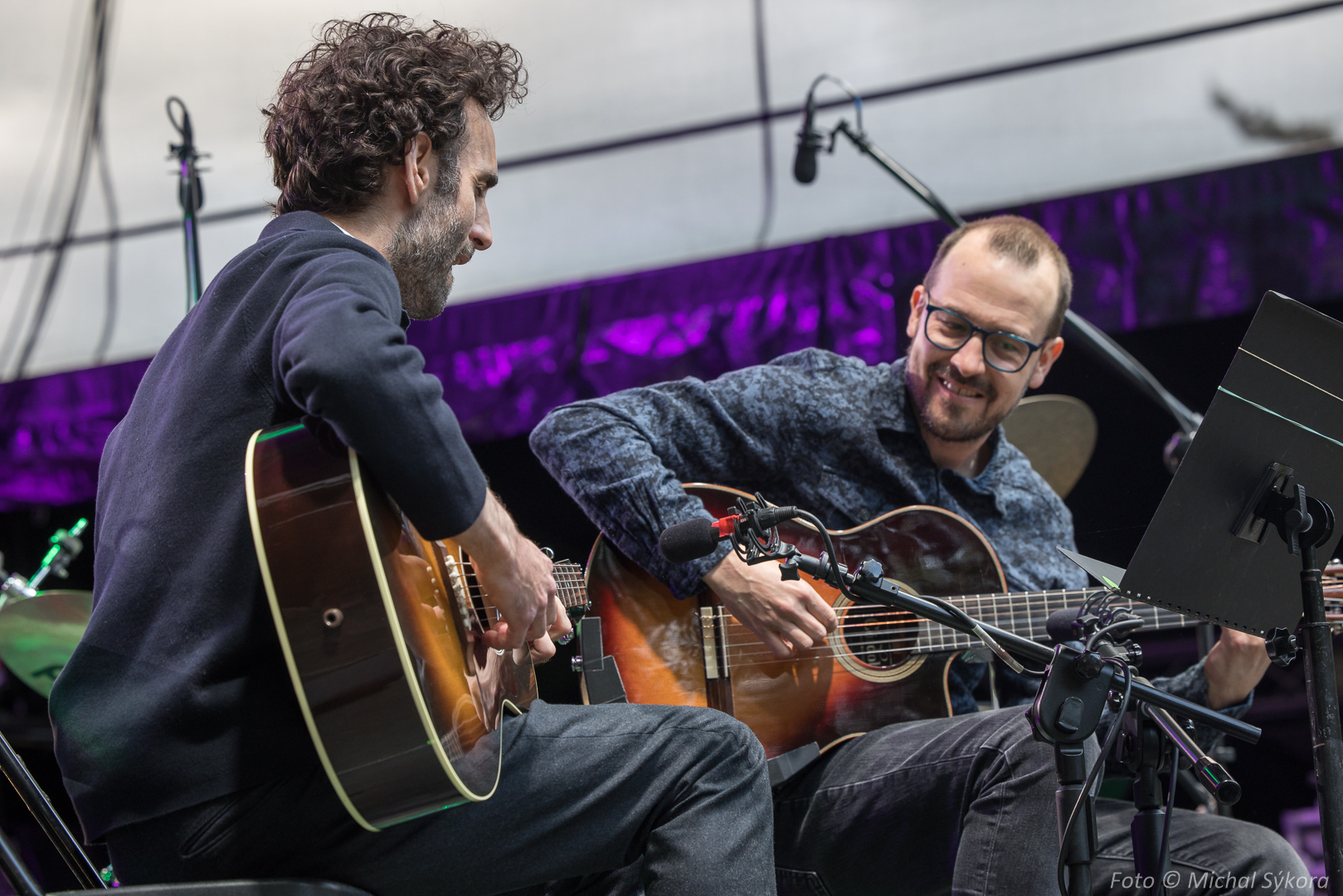
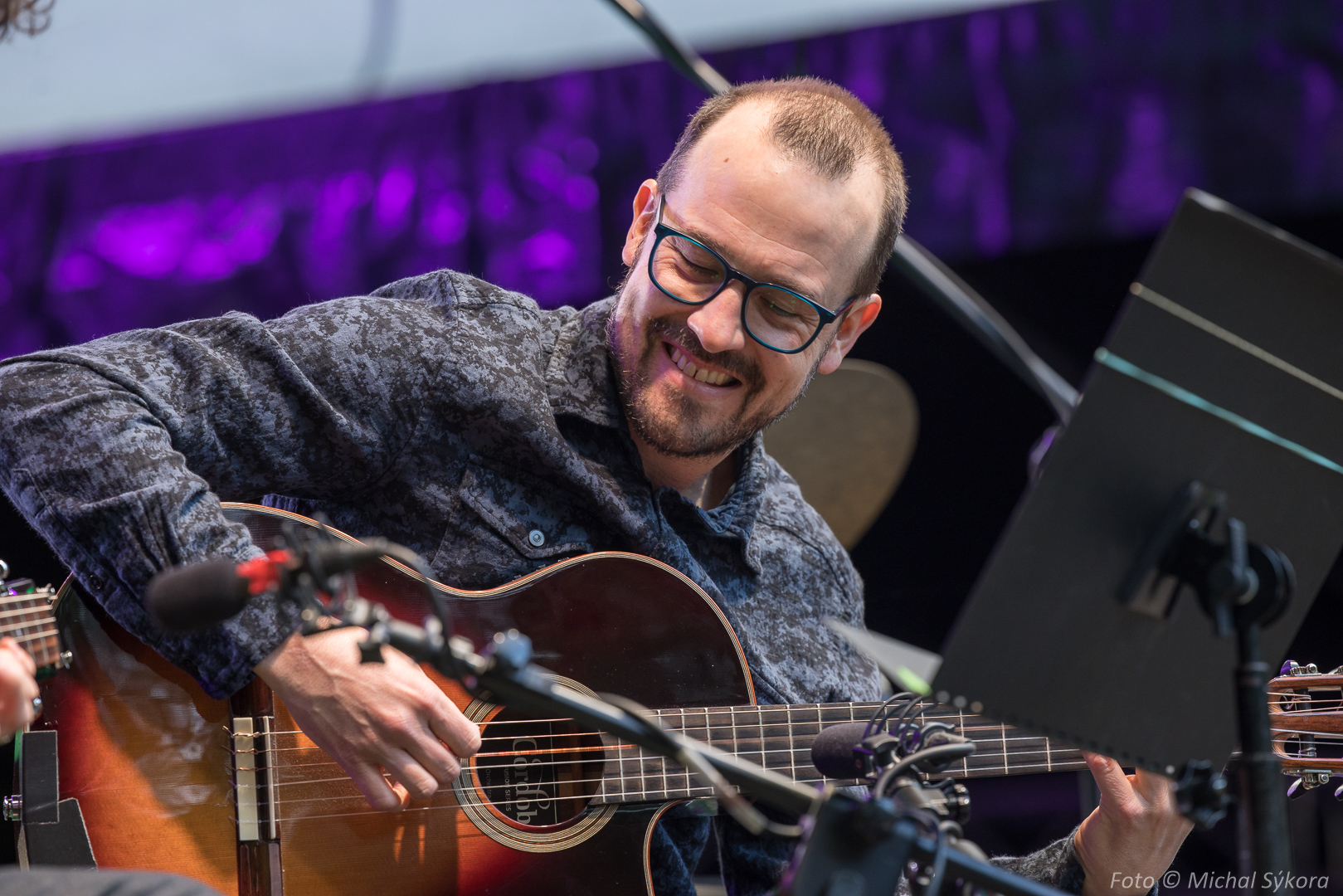

Next up were Brian Marsella, Jorge Roeder, and Ches Smith with their program Impromptus, Nocturnes, and Ballades. At one point, Zorn’s conducting prowess was fully on display as he guided the band from the sidelines in real time and motioned to Ches to switch from brushes to sticks, instantly transforming the entire sound. The transition from tranquil, almost meditative balladic passages to utterly intense moments had a stunning build-up. When the birds joined in with their singing again during the beautiful, balladic finale, it was one of those magical festival moments when the music and the surroundings merge into a single whole.
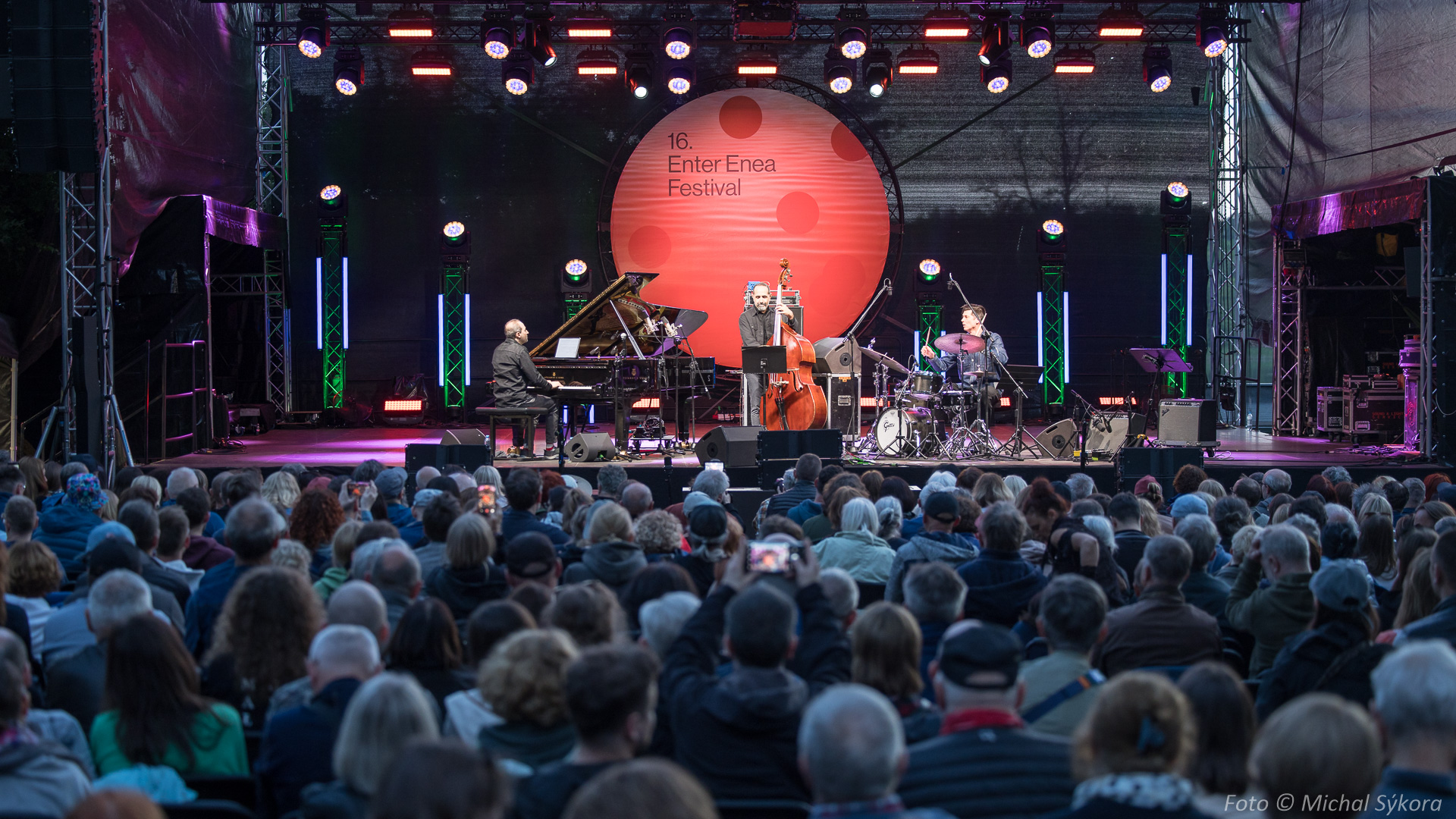
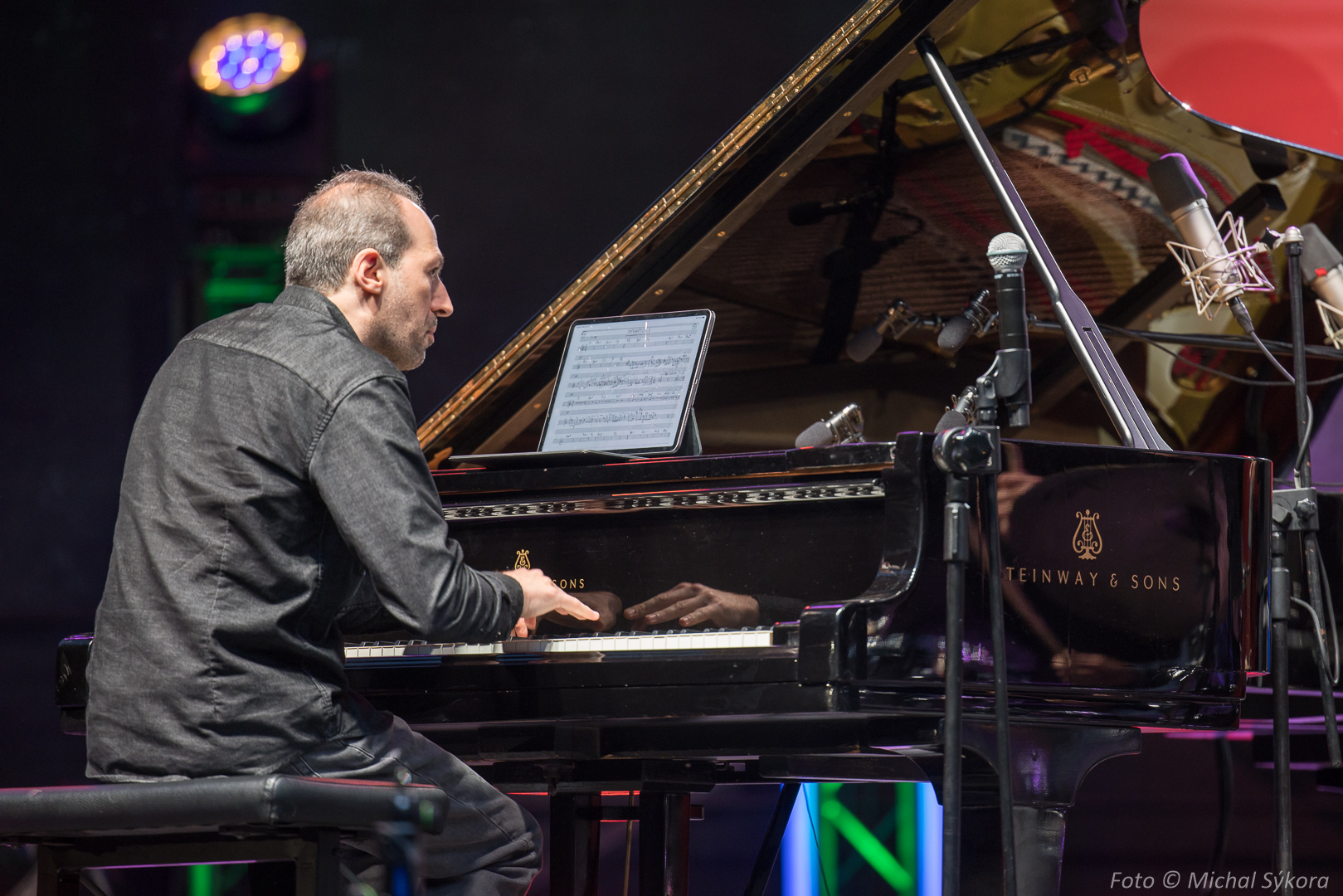
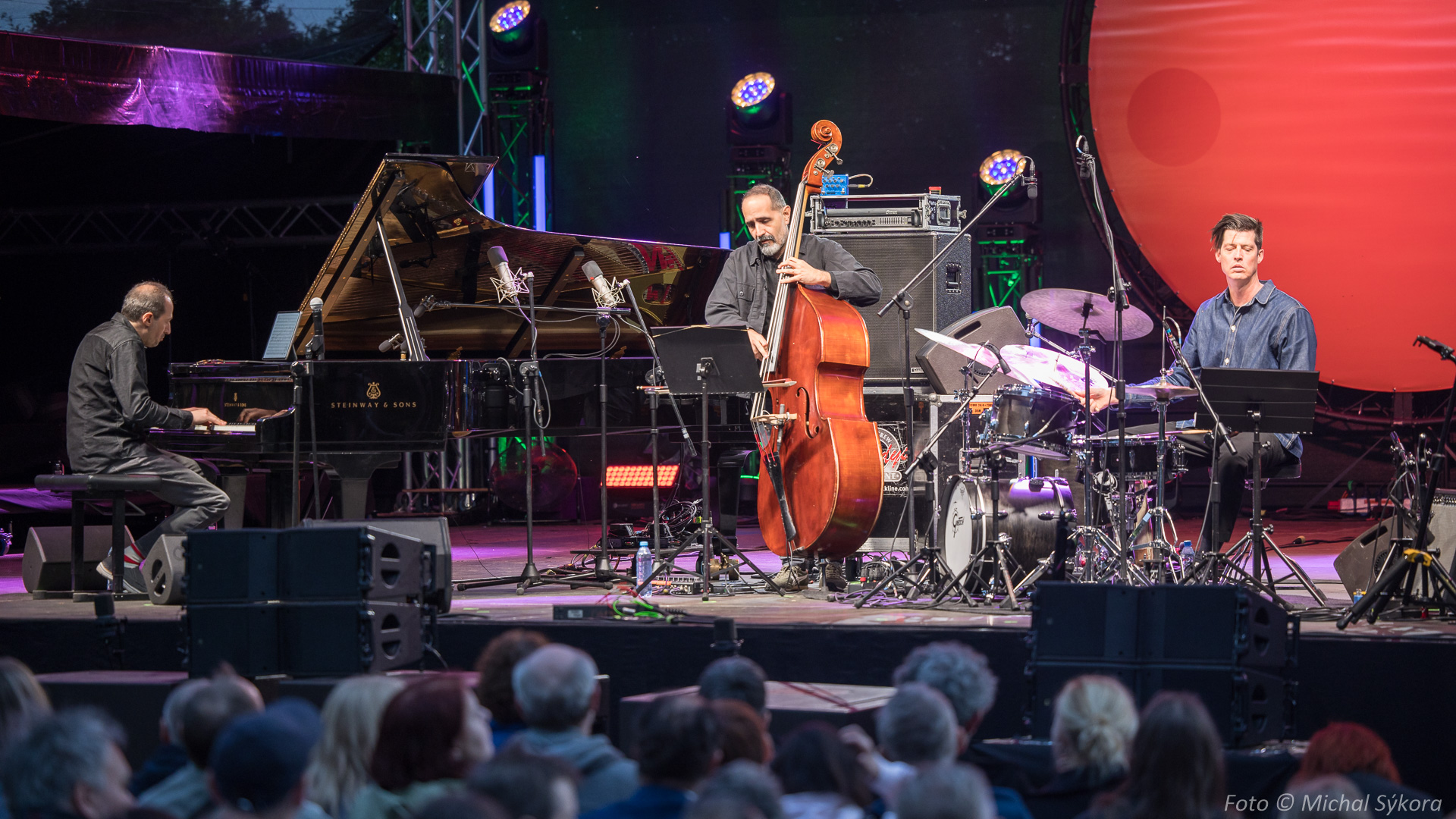
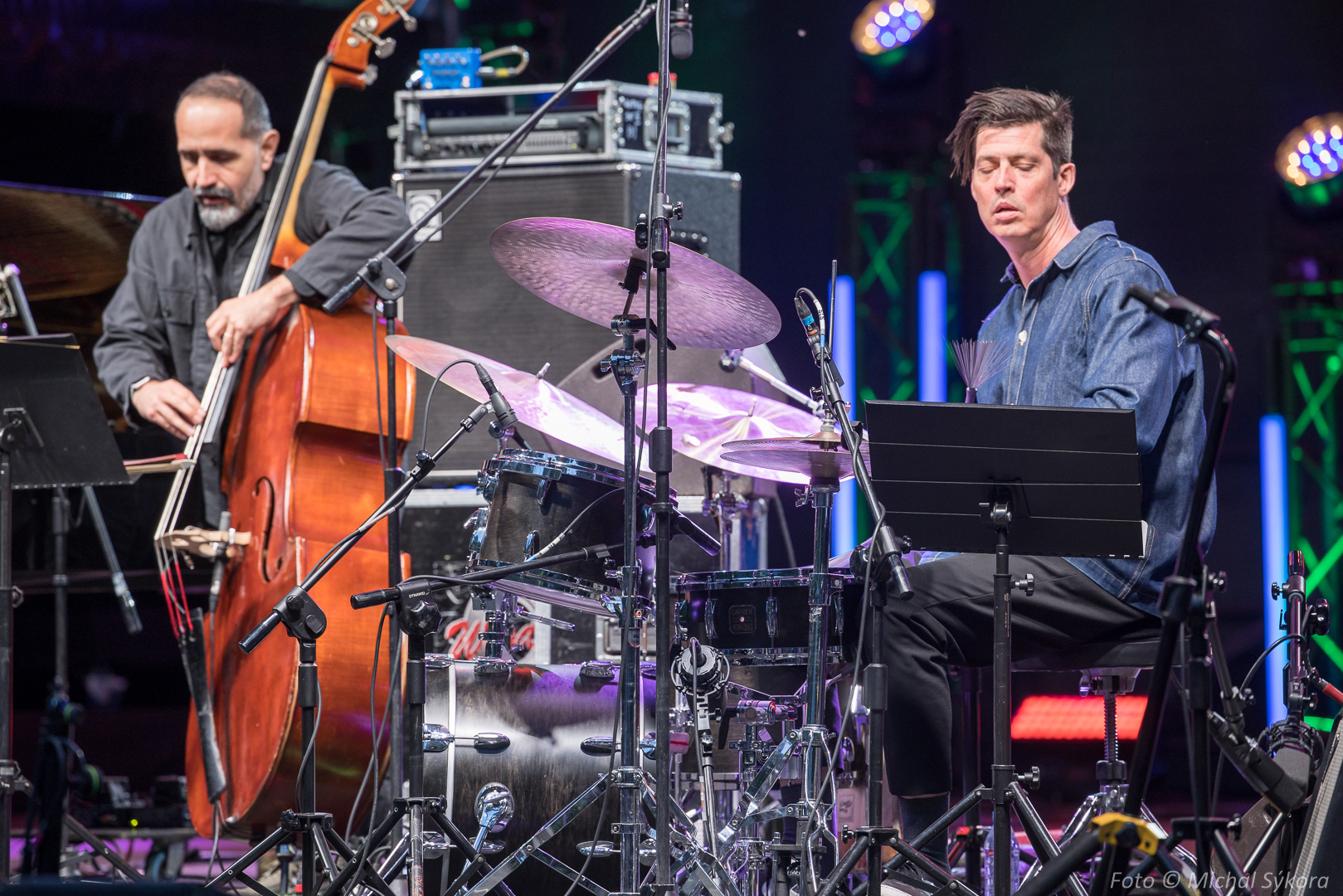
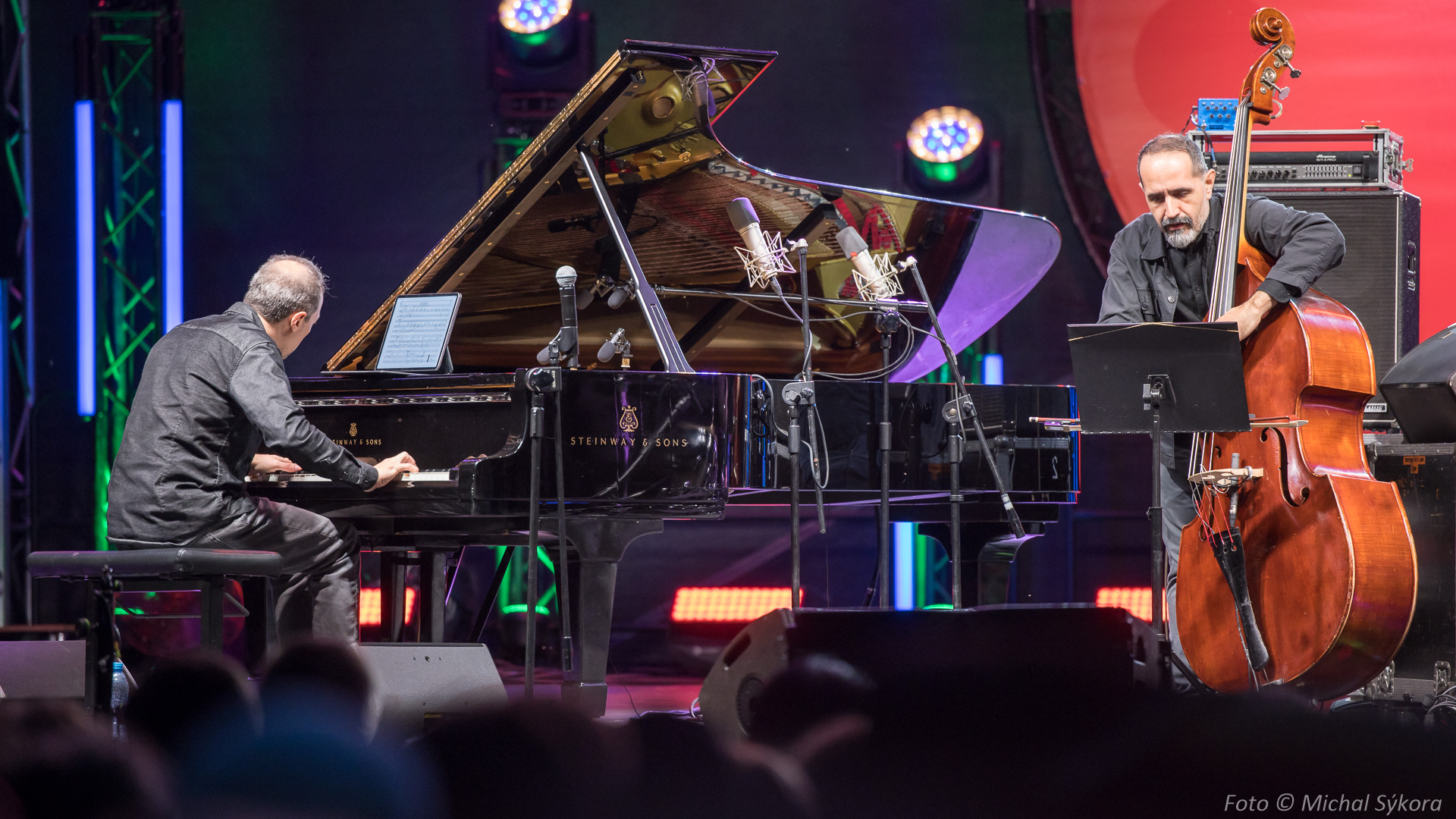
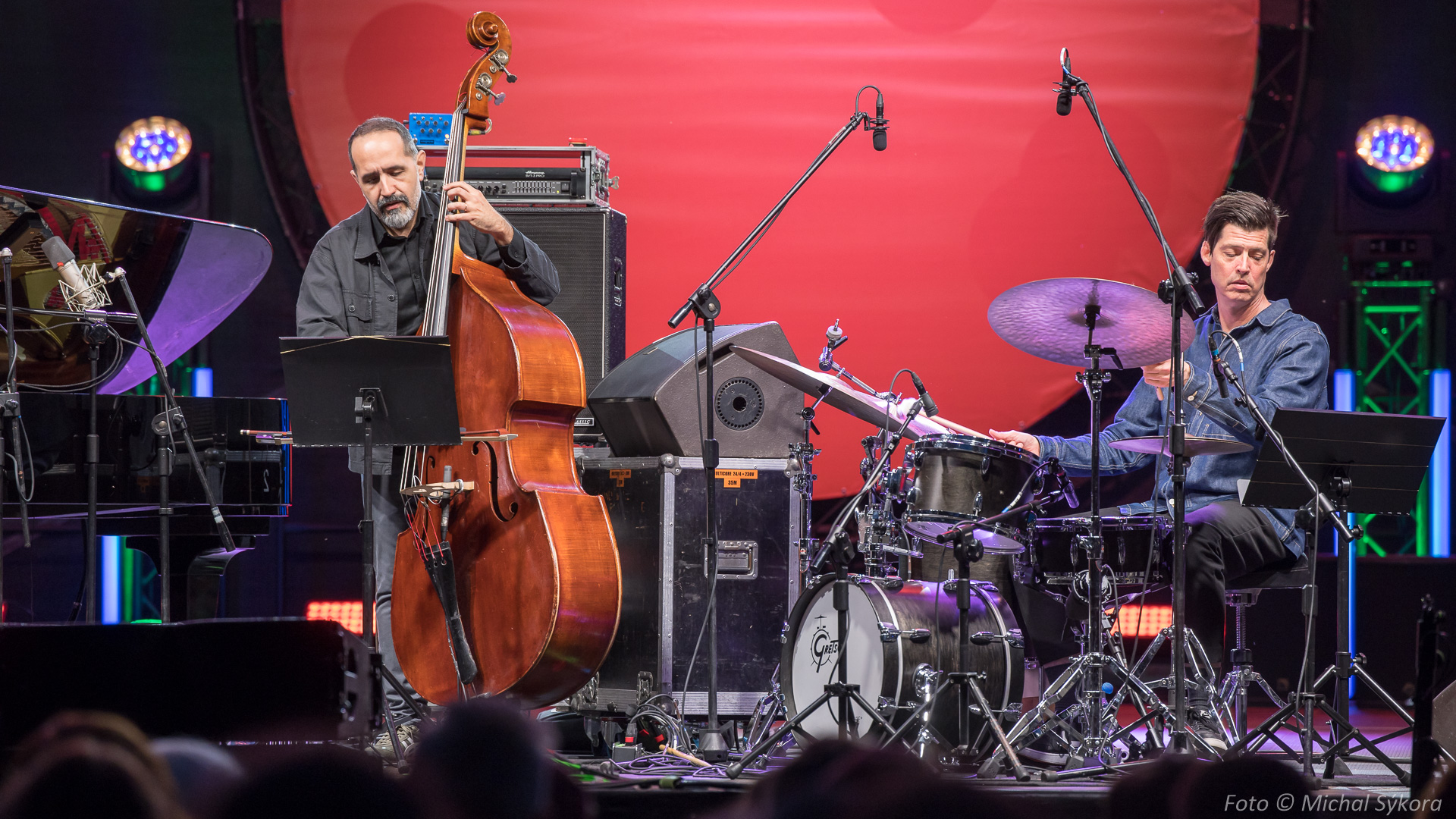
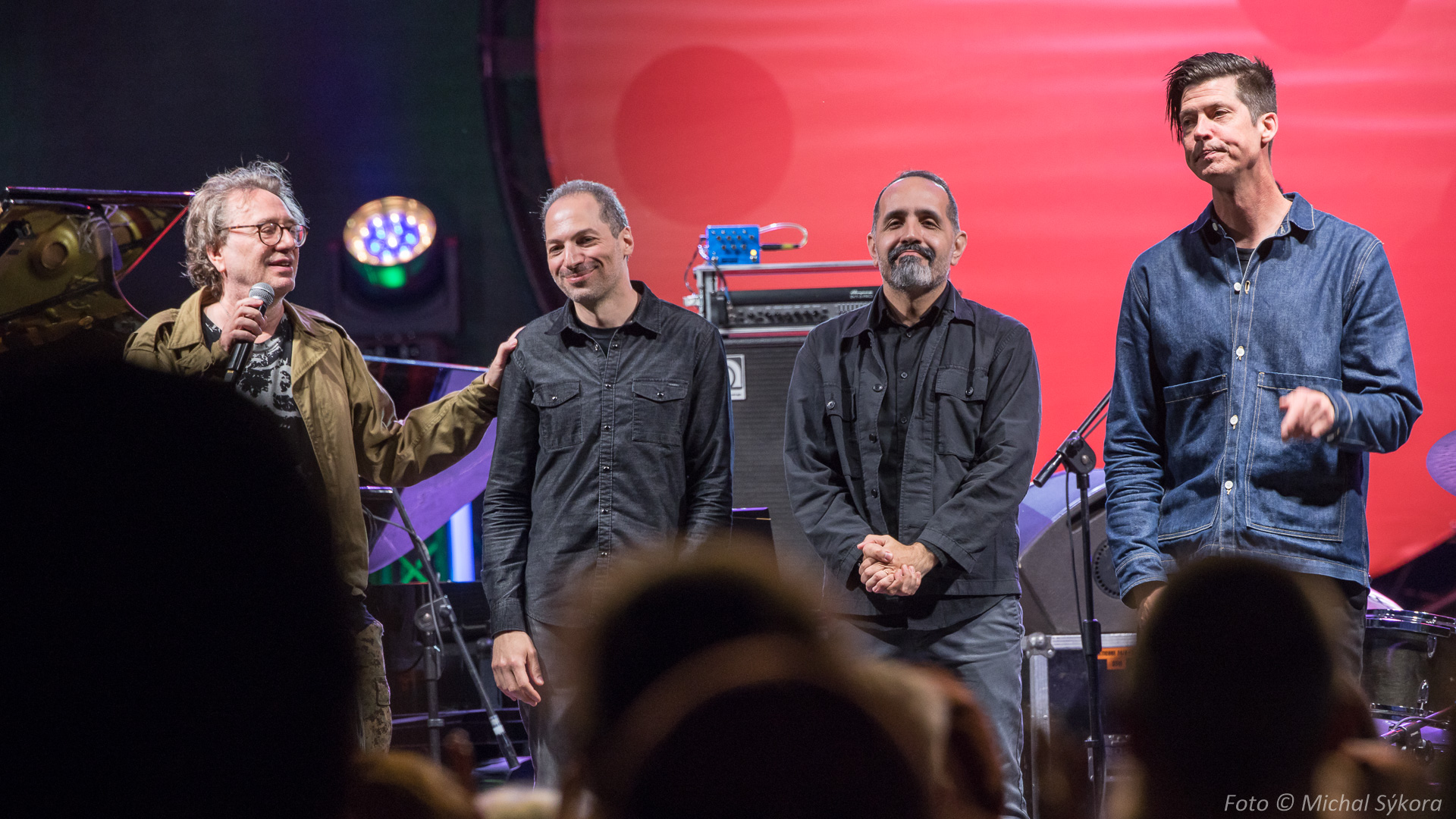

And finally, the highlight of the evening came in the form of the New Masada Quartet, featuring John Zorn, Jorge Roeder, Julian Lage, and Kenny Wollesen. The stage was set up pretty quickly, so they started earlier than planned, and Zorn immediately kicked things off with such energy that it was a real blast. The band played like a machine. Jorge Roeder and Julian Lage delivered breathtaking solos that essentially dominated the entire pieces. I’ve always been captivated by Julian’s playing; I’ve seen him countless times in many different lineups and projects, and what he delivers is pure joy and technical precision rolled into one. The entire New Masada Quartet performance was one big spectacle that left no one in doubt as to why Zorn’s world is so fascinating.


Štítky